
600
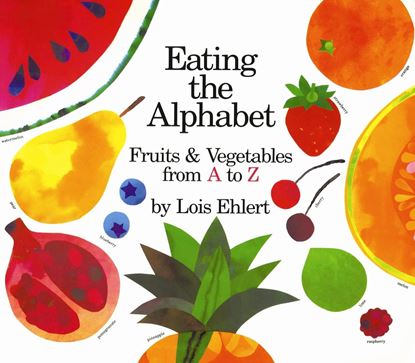
EATING THE ALPHABET
While teaching upper- and lowercase letters to preschoolers, Ehlert introduces fruits and vegetables from around the world. A glossary at the end provides interesting facts about each food.
600
350
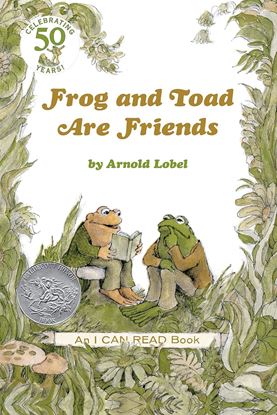
FROG AND TOAD ARE FRIENDS
From writing letters to going swimming, telling stories to finding lost buttons, Frog and Toad are always there for each other—just as best friends should be.
Frog and Toad Are Friends is a Level Two I Can Read book, geared for kids who read on their own but still need a little help. Whether shared at home or in a classroom, the engaging stories, longer sentences, and language play of Level Two books are proven to help kids take their next steps toward reading success.
New York magazine's The Strategist chose Frog and Toad Are Friends as one of the "Best (Nonobvious) Baby Books to Bring to a Shower." As The Strategist stated: "The stories are just so hilarious and entertaining (and moving) that they really hold the imagination of a tiny tot. The illustrations are incredible, too."
350
850
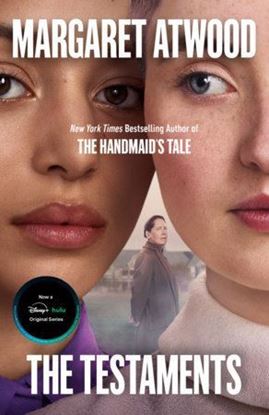
THE TESTAMENTS
More than fifteen years after the events of The Handmaid’s Tale, the theocratic regime of the Republic of Gilead maintains its grip on power, but there are signs it is beginning to rot from within. At this crucial moment, the lives of three women converge, with potentially explosive results. Two have grown up as part of the first generation to come of age in the new order. The testimonies of these two young women are joined by that of Aunt Lydia, whose complex past and uncertain future unfold in surprising and pivotal ways.
With The Testaments, Margaret Atwood opens up the innermost workings of Gilead, as each woman is forced to come to terms with who she is and how far she will go for what she believes.
850
800
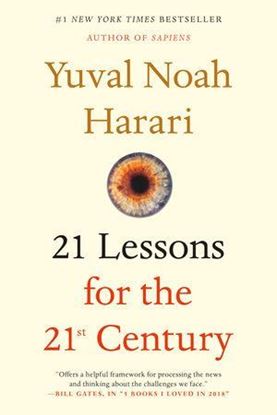
21 LESSONS FOR THE 21ST CENTURY
How can we protect ourselves from nuclear war or ecological catastrophe? What do we do about the epidemic of fake news or the threat of terrorism? How should we prepare our children for the future?
21 Lessons for the 21st Century is a probing and visionary investigation into today’s most urgent issues as we move into the future. As technology advances faster than our understanding of it, hacking becomes a tactic of war, and the world feels more polarized than ever, Harari addresses the challenge of navigating life in the face of constant and disorienting change and raises the important questions we need to ask ourselves in order to survive.
In twenty-one accessible chapters that are both provocative and profound, Harari untangles political, technological, social, and existential issues and offers advice on how to prepare for a very different future from the world we now live in: How can we retain freedom of choice when Big Data is watching us? What will the future workforce look like, and how should we ready ourselves for it? Why is liberal democracy in crisis?
Harari’s unique ability to make sense of where we have come from and where we are going has captured the imaginations of millions of readers. Here he invites us to consider values, meaning, and personal engagement in a world full of noise and uncertainty. When we are deluged with irrelevant information, clarity is power. Presenting complex contemporary challenges clearly and accessibly, 21 Lessons for the 21st Century is essential reading.
800
1,200
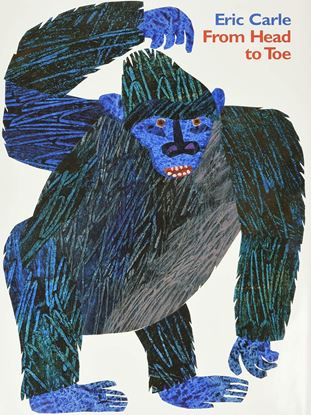
FROG HEAD TO TOE: FROM HEAD TO TOE
Giraffes can bend their necks, monkeys can wave their hands, and donkeys can kick their legs. And so can you!
Throughout this interactive book, the animals of From Head to Toe invite young readers to copy their antics as they play.
Through Eric Carle’s vibrant collages and simple instructions, children will learn the importance of listening, exercising, and taking on a new challenge. Join the giraffes, monkeys, donkeys, seals, and more for a frolicking, fun adventure.
1,200
600
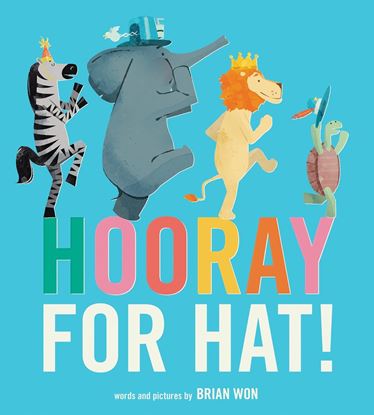
HOORAY FOR HAT!
Elephant wakes up grumpy—until ding, dong! What’s in the surprise box at the front door? A hat! HOORAY FOR HAT! Elephant marches off to show Zebra, but Zebra is having a grumpy day, too—until Elephant shares his new hat and cheers up his friend. Off they march to show Turtle! The parade continues as every animal brightens the day of a grumpy friend. This sturdy board book is an irresistible celebration of friendship, sharing, and fabulous hats.
600
995
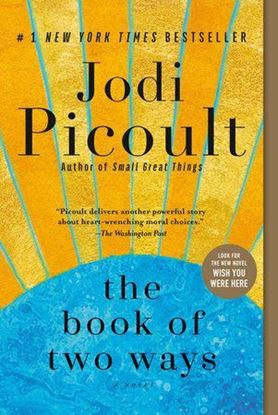
THE BOOK OF TWO WAYS
Everything changes in a single moment for Dawn Edelstein. She’s on a plane when the flight attendant makes an announcement: Prepare for a crash landing. She braces herself as thoughts flash through her mind. The shocking thing is, the thoughts are not of her husband but of a man she last saw fifteen years ago: Wyatt Armstrong.
Dawn, miraculously, survives the crash, but so do all the doubts that have suddenly been raised. She has led a good life. Back in Boston, there is her husband, Brian, their beloved daughter, and her work as a death doula, in which she helps ease the transition between life and death for her clients.
But somewhere in Egypt is Wyatt Armstrong, who works as an archaeologist unearthing ancient burial sites, a career Dawn once studied for but was forced to abandon when life suddenly intervened. And now, when it seems that fate is offering her second chances, she is not as sure of the choice she once made.
995
550
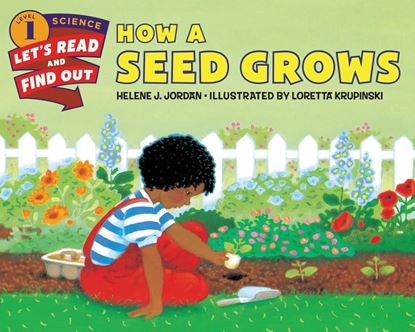
HOW A SEED GROWS
This is a clear and appealing environmental science book for early elementary age kids, both at home and in the classroom. Plus it includes a find out more activity section with a simple experiment encouraging kids to discover what a seed needs to grow.
550
1,350
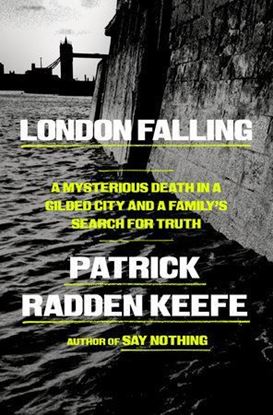
LONDON FALLING
In the early morning of November 29th, 2019, surveillance cameras at the headquarters of MI6, Britain’s spy agency, captured video of a young man pacing back and forth on a high balcony of Riverwalk, a luxury tower on the bank of the river Thames. At 2:24 a.m., he jumped into the river.
In a quiet London neighborhood several miles away, Rachelle Brettler was worried about her son. Zac had told her that he had gone to stay with a friend for the weekend, but then he did not come home. Days later, a police car pulled up and two officers relayed the dreadful news: Her son was dead.
In their unbearable grief, Rachelle and her husband, Matthew, struggled to understand what had happened to Zac. He had had his troubles, but in no way seemed suicidal. As they would soon discover, however, there was a lot they did not know about their son. Only after his death did they learn that he had adopted a fictitious alter ego: Zac Ismailov, son of a Russian oligarch and heir to a great fortune. Under this guise, Zac had become entangled with a slippery London businessman named Akbar Shamji and a murderous gangster known as Indian Dave. As the Brettlers set about investigating their son’s death, they were pulled into a different and more dangerous London than the one they’d always known, and came to believe that something much more nefarious than a suicide had claimed Zac’s life. But to their immense frustration, Scotland Yard seemed unable—or unwilling—to bring the perpetrators to justice.
1,350
1,200
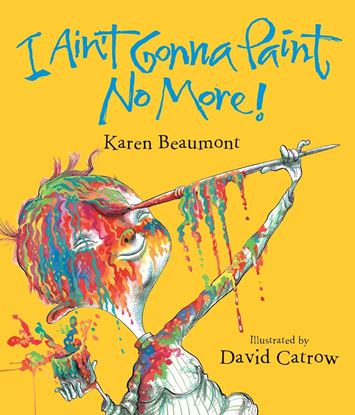
I AINT GONNA PAINT NO MORE: A SALLY ART
When the child gets caught painting everything from the ceiling to the floor, Mama says "Ya ain't a-gonna paint no more!" But nothing will keep this artist from painting! Written to the familiar tune "It Ain't Gonna Rain No More," the text bounces alongside vibrant stylized pen-and-ink drawings, while page-turns offer up a fun read-aloud guessing game in which kids will delightfully participate. What will the child paint next? "So I take some red and I paint my . . . HEAD!" Silliness paired with the ruckus read-aloud appeal will have every reader begging for repeat reads.
1,200