500
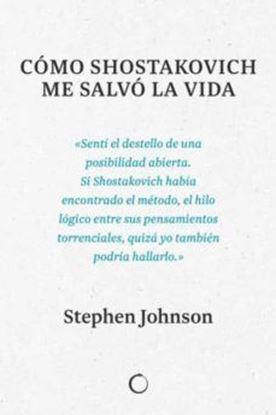
COMO SHOSTAKOVICH ME SALVO LA VIDA(OF2)
Stephen Johnson, compositor, dirige en la BBC un programa de música clásica y explora en este texto cómo la música de Shostakovich se fue gestando bajo la época del Terror de Stalin, y cómo logró dar forma a los miedos y esperanzas de un pueblo castigado por la guerra y la historia. Johnson escribe sobre el poder terapéutico de la música para quienes padecen desórdenes mentales y cuenta cómo la música de Shostakovich le insufló a él mismo una fuerza insospechada en su lucha contra el trastorno bipolar. El texto enlaza episodios autobiográficos con entrevistas realizadas a músicos rusos coetáneos de Shostakovich y con reflexiones sobre la particular lectura que hace Johnson de filósofos, psicoanalistas y neurólogos, hasta dibujar ante nosotros una imagen profunda y convincente de cómo la música concebida por una persona encierra el hechizo que permite salvar la vida de otra persona.
500
500
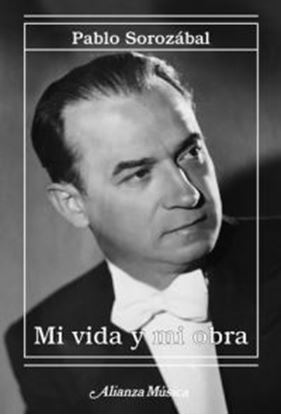
MI VIDA Y MI OBRA (OF2)
Fue Sorozábal el músico más popular en el Madrid de mitad del siglo XX.
Su música tenía gancho, era chispeante, castiza, muy madrileña.
Era además original y moderna en su momento, sin que supusiera una ruptura con esa entrañable y larguísima tradición española de la zarzuela: o sea, tenía eso que hoy se busca en las generaciones nuevas de compositores sin hallarlo nunca.
El arte lírico de Sorozábal no cayó jamás en las ramplonas orquestaciones de otros músicos de zarzuela de su momento, período de franca decadencia artística del género.
Y, por si fuera poco, tenía un agudo sentido teatral en la equilibrada mezcla de elementos cómicos y de carácter, con una fuerte vena lírica, en él tocada de humana cordialidad y nostálgica ternura.
Junto a lo madrileño hay otro polo en la obra de Sorozábal, este más auténtico en su raíz: lo vasco, presente muchas veces en composiciones no teatrales para voz solista o para coro.
500
500
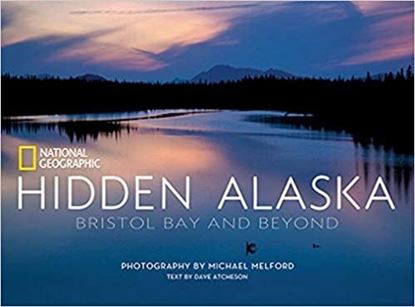
HIDDEN ALASKA (OF2)
A stunning visual story of a place of wonder and mystique for every American, this book features what is legendary and beloved about Alaska, a land of magnificent wilderness and beauty, virtually untouched by human ambition. It also focuses on the key point of interest in the state today: endangered Bristol Bay, which faces potential mining of the world's greatest deposits of copper and gold. Its pristine waters are the worlds' biggest salmon spawning grounds. If the gold is mined, the ecosystem is destroyed -but the impoverished locals have work for the next half-century. After that, the salmon and the mines are gone. Melford, paired with noted environmental storyteller David Atcheson, addresses the dilemma by bowling us over with the beauty and importance of the place for all time. Underwritten by the Renewable Resources Coalition, the book will be distributed among its more than 5,000 members.
500
995
CASSATT (OF3)
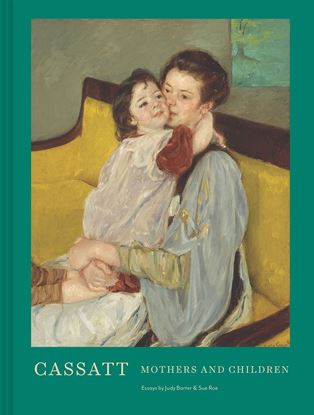
Mary Cassatt's tender and profound paintings redefined portraiture and broke down barriers for women in art—both as artists and as subjects. This collection focuses on Cassatt's insightful portrayal of women and children living their everyday lives. Fifty magnificent images cover the scope of Cassatt's work, from her early interest in Japanese woodblocks all the way to her exploration of Modernist techniques. Two essays contextualize her as a pioneering female artist and as the American face of Impressionist painting.
995
995
INTO THE CLOUDS (OF3)
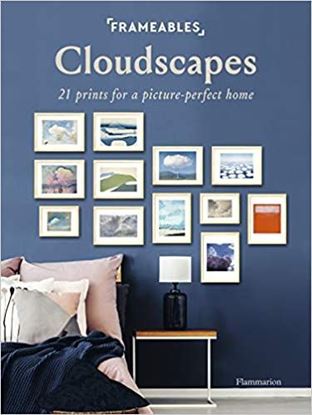
Introducing the first collection of art books with detachable prints to decorate your walls. Everything you need to create your own private gallery at home! Plays on light and color from Japanese woodblock prints to Rothko's white cloud on a brilliant orange background.
Each book contains a curated selection of twenty-one high-quality reproductions that can be easily removed from the book, framed in a standard-size frame, and displayed in the home. Step-by-step tips for grouping the works to create a harmonious gallery add an interior designer's touch to the ensemble. Graphic, colorful, or abstract; paintings, engravings, or drawings--each work of art is explained on the back of the print. Interesting details about the style of painting, the particular work of art, and biographical information about the artist are accompanied by a "frameable fact" that helps you understand the context of that particular work in the history of art. In addition, suggestions for where you can go to see additional examples of the artists' works allow the reader to expand his or her experience and learning.
Artists include John Constable, Claude Monet, Paul Signac, Edgar Degas, Nicolas de Staël, Hermione Carline, Eugène Delacroix, René Magritte, Helen White, and Mark Rothko.
995
999
THE NEW SHINGLED HOUSE (OF3)
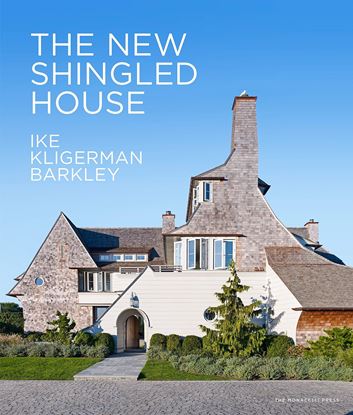
The architectural style of the classic American summer, the shingled house can suggest the beach, the countryside, the mountains, and even the city. AD100 architects Ike Kligerman Barkley, one of the most successful firms practicing in a traditional style today, presents 14 houses that celebrate the simple wood shingle's infinite flexibility--ranging from richly historic to sculptural and experimental. The New Shingled House includes examples throughout the fabled seaside resorts of New England--Martha's Vineyard, Block Island, and the Hamptons--as well as houses in California's Bay Area and Point Loma, on a pristine mountain lake in South Carolina, and a Scandinavian influenced family residence in Connecticut. All are characterized by a sense of graciousness and generosity that makes them unique spaces for the owners and enviable spaces for readers. The versatility of the shingle style allows the designers to explore formal ideas and to respond to client preferences and taste. The houses thus achieve the architects' fundamental goal: when their clients enter their new house for the first time, they should feel as though they have always lived there. This stunning visual presentation features new photography by noted interiors photographer William Waldron, who has captured the graciousness and generosity of the elegant interiors and welcoming porches and terraces that make these houses so inviting and timeless.
999
995
MONSTERS AND MYTHS (OF3)
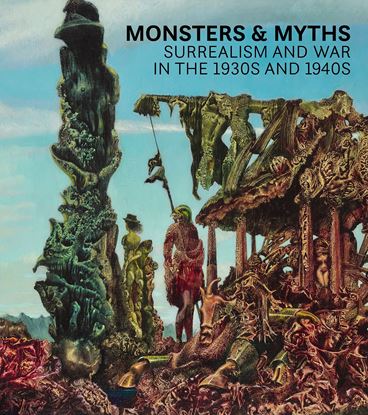
During the pivotal years between the world wars, Surrealist artists on both sides of the Atlantic responded through their works to the rise of Hitler and the spread of Fascism in Europe, resulting in a period of surprising brilliance and fertility. Monstrosities in the real world bred monsters in paintings and sculpture, on film, and in the pages of journals and artists' books. Despite the political and personal turmoil brought on by the Spanish Civil War and World War II, avant-garde artists in Europe and those who sought refuge in the United States pushed themselves to create some of the most potent and striking images of the Surrealist movement. Trailblazing essays by four experts in the field trace the experimental and international extent of Surrealist art during these years--and, perhaps most unexpectedly of all, its irrepressible beauty.
995
999
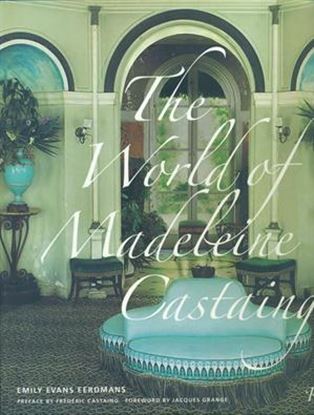
THE WORLD OF MADELEINE CASTAING (OF3)
The inimitable style of renowned French interior designer Madeleine Castaing, chronicled in-depth for the first time. While many were drumming to the beat of modernism in the early- and mid-twentieth century, French antiquaire and decorator Madeleine Castaing created her own look that was a unique blend of neoclassicism, Proustian romanticism, and pure wit. Her distinctive aesthetic vision has inspired tastemakers on both sides of the Atlantic, and her devotees--both then and now--are legion. Ocelot carpeting, opaline blue, "coolie" lampshades, and an eclectic mix of neoclassical furnishings ranging from English Regency to Napoleon III all formed part of the vocabulary of "le style Castaing." This lavishly illustrated volume--the first on her work--explores in-depth the elements of her style, and examines how she crafted interiors so emotive that visitors felt that they had stepped into a Balzac novel or a Proustian recollection. Her entire life and career are chronicled, from her early years in Montparnasse, the epicenter of artistic activity in Paris, to her incomparable country house Leves and her legendary shop on rue Jacob in Paris.
999
995
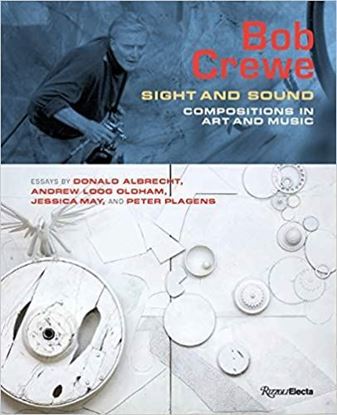
BOB CREWE. SIGHT AND SOUND (OF3)
The first book to explore the extraordinary musical life and remarkable paintings of one of America's greatest ever songwriters.
Best known for having written and produced some of the seminal records of American popular culture--from 'Big Girls Don't Cry' for the Four Seasons to 'Silence is Golden' for the Tremeloes and 'Lady Marmalade' for LaBelle--Bob Crewe was a multifaceted artist for whom a passion for painting and the visual arts provided a lifelong counterbalance to music.
Collected here are more than 80 of Bob Crewe's artworks, stretching from his first forays into abstract expressionism in the 1950s and 1960s to more complex, tactile compositions made on his full-time return to painting in the 1990s--accompanied by archival images and ephemera that reflect Crewe's simultaneous contribution to popular music.
Essays by Jessica May and Peter Plagens explore the development of an artist whose influences ranged from Rauschenberg and Johns to Warhol and Bacon; legendary record producer Andrew Loog Oldham captures the period of radical experimentalism in which Crewe wrote many of the most memorable songs in the canon of modern pop; and Donald Albrecht's introduction ties together the many complementary aspects of Crewe's personal and creative lives.
995
999
- 1
- 2