


1,250
CASE STUDY HOUSES (BA-ARCH)
Los resultados del programa redefinieron el concepto de vivienda moderna, y su influencia no solo se expandió por Estados Unidos sino también por todo el mundo. Esta guía compacta de TASCHEN incluye todos los proyectos del Case Study House, ilustrado con más de 150 fotografías y planos, además de un mapa con su ubicación, incluso de aquellos ya desaparecidos.
1,250

1,995
20TH CENTURY ALCOHOL & TOBACCO ADS. 40
Vices or virtues: drinking and smoking provided marketers with products to be forged into visual feasts. In this lush compendium of advertisements, we explore how depictions of these commodities spanned from the elegant to the offbeat, revealing how manufacturers prodded their customers throughout the 20th century to imbibe and inhale.Each era’s alcohol and tobacco trends are exuberantly captured page after page, with brand images woven into American popular culture so effectively that almost anyone could identify such icons as the Marlboro Man or Spuds MacKenzie, figures so familiar they could appear in ads without the product itself.
1,995
1,600
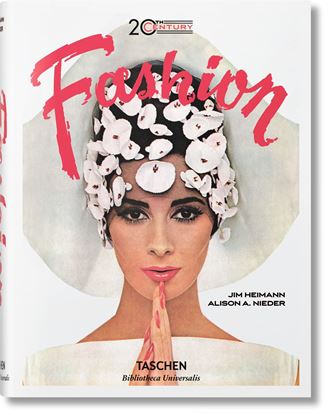
20TH CENTURY FASHION (TD) (BU) (INT)
The 20th century saw fashion evolve from an exclusive Parisian salon business catering for the wealthy elite into a global industry employing millions, with new trends whisked into stores before the last model has even left the catwalk.
Along the way, the signature silhouettes of each era evolved beyond recognition. For women, House of Worth crinolines gave way to Vionnet's bias-cut gowns, Dior's New Look to Quant's Chelsea Look, Halston's white suit to Frankie B.'s low-rise jeans. In menswear, ready-made suits signaled the demise of bespoke tailoring, long before Hawaiian shirts or skinny jeans entered the game.
20th-Century Fashion offers a retrospective of the last hundred years of style via 400 fashion advertisements from the Jim Heimann Collection. The images trace not only the changing trends but also the evolution in their marketing and audience, as fashion was adopted into popular culture and the mass market, decade by decade. An in-depth introduction and illustrated timeline detail the style-makers and trendsetters, and how historic events, design houses, retailers, films, magazines, and celebrities shaped the way we dressed-then and now.
1,600
2,600
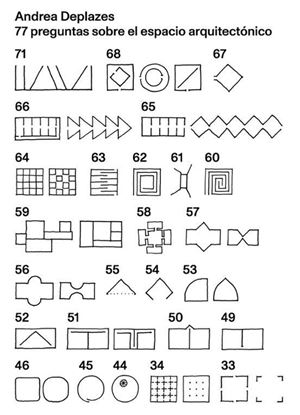
77 PREGUNTAS SOBRE EL ESPACIO ARQ.
Este libro puede considerarse el legado de la labor docente de Andrea Deplazes. Elaborado entre 2017 y 2025 durante el curso «Diseño y Construcción I/II» del Departamento de Arquitectura de la ETH de Zúrich, reúne preguntas clave, modelos y bocetos para explorar los fundamentos del diseño espacial.
El material se complementa con imágenes de las semanas de seminarios y extractos del cuaderno personal de Deplazes, y constituye una síntesis de su enfoque pedagógico y marca la conclusión de su carrera académica al jubilarse de la ETH de Zúrich.
Andrea Deplazes es profesor de arquitectura en la ETH de Zúrich y ejerce como arquitecto. A nivel internacional, es conocido sobre todo por su libro Construir la arquitectura, un completo manual sobre la construcción de edificios que se utiliza ampliamente en la enseñanza de la arquitectura en todo el mundo.
2,600

3,995
A DESIGN JOURNEY
Bernerd is known for creating interiors that have a very special sense of place. Firm in her belief that “good design transports us without us being entirely conscious of the fact,” she aspires to take us out of the day-to-day to places we don’t want to leave and give us the desire to bring a piece of that back home.
Committed to the utility of good design, Bernerd works on an increasingly global platform with projects around the world. Hailed by the Financial Times for combining “impeccable craftmanship and timeless style,” her keen eye for composition and detailing and remarkable flair for color and texture make her one of the most sought-after interior designers in the world.
3,995
1,995
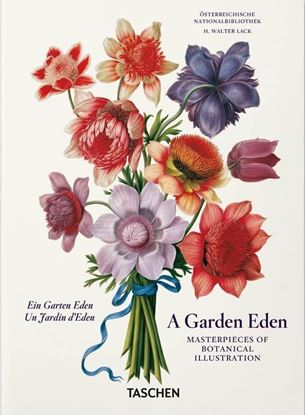
A GARDEN EDEN. MASTERPIECES OF (45) (IE)
En la búsqueda del placer por el conocimiento y la belleza, el arte de la ilustración botánica siempre ha requerido una meticulosa técnica de delineado y una rigurosa comprensión científica. Esta nueva edición, que incluye nuevas imágenes, repasa toda la tradición botánica y sus talentos, con una selección de las mejores obras de la Biblioteca Nacional de Viena.
Desde manuscritos bizantinos hasta obras maestras del siglo XIX, a través de peonías, lirios y crisantemos, estas exquisitas reproducciones deslumbran por su precisión y su estética. Sea con hojas cuidadosamente enrolladas, texturas de frutas dibujadas con precisión o la belleza pura y la variedad de los colores, esta forma de arte es tan delicada como precisa, e incluso despierta nuestra conciencia sobre el entorno ecológico y sobre la preciosa flora natural tan amenazada.
1,995