1,550
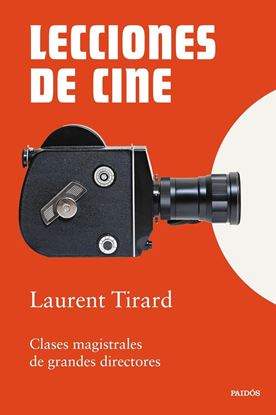
LECCIONES DE CINE (NVA ED)
Todos los grandes cineastas poseen un método secreto para realizar sus películas, pero sus enfoques son muy distintos; por ejemplo: a Martin Scorsese le gusta preparar las tomas de manera muy precisa y con bastante antelación, Lars von Trier se niega a reflexionar sobre un plano hasta que ya lo está rodando, Bernardo Bertolucci intenta soñar con las tomas la noche anterior y Pedro Almodóvar afirma que los cineastas deben abandonar la ilusión de creer que van a poder controlar la totalidad del proceso creativo de su película.
Lecciones de cine recoge las conversaciones que el director y guionista francés Laurent Tirard tuvo con veintiuno de los directores más importantes del momento, y nos invita a descubrir qué significa para cada uno de ellos el oficio de cineasta.
1,550
1,250
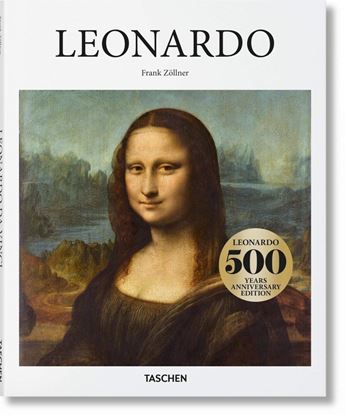
LEONARDO (BA-ART)
Filling notebook after notebook with sketches, inventions, and theories, Leonardo da Vinci (1452–1519) not only stands as one of the most exceptional draftsmen of art history, but also as a mastermind and innovator who anticipated some of the greatest discoveries of human progress, sometimes centuries before their material realization.
From the smallest arteries in the human heart to the far-flung constellations of the universe, Leonardo saw nature and science as being unequivocally connected. His points of inquiry and invention spanned philosophy, anatomy, geology, and mathematics, from the laws of optics, gravitation, heat, and light to the building of a flying machine.
In his painting, Leonardo steered art out of the Middle Ages with works such as The Last Supper and the world-famous La Gioconda or Mona Lisa depicting not only physical appearances, but a compelling psychological intrigue and depth which continues to draw crowds of mesmerized visitors to masterpieces in Paris, Milan, Washington, London, and Rome.
This book brings together some of Leonardo’s most outstanding work to introduce a figure of infinite curiosity, feverish imagination, and sublime artistic ability, often described as having “not enough worlds for to conquer, and not enough lives for to live” (Alan Woods).
1,250
1,995
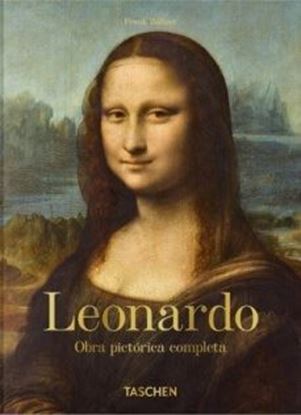
LEONARDO. OBRA PICTORICA (45TH) (E)
Uno de los seres humanos más brillantes jamás conocidos, Leonardo sigue siendo el genio del Renacimiento por excelencia. Compañero perfecto de la edición Leonardo da Vinci. Obra gráfica, este libro es un catálogo razonado de todas las obras maestras pictóricas del artista, tanto supervivientes como perdidas, desde la Mona Lisa a La última cena.
1,995
6,500
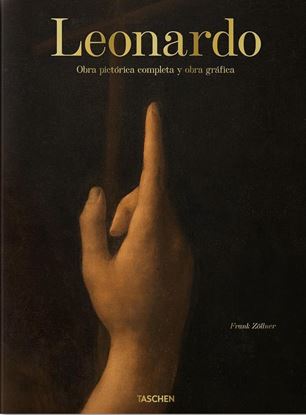
LEONARDO. OBRA PICTORICA COMPLETA (FP) E
Unmatched in his ingenuity, technical prowess, and curiosity, Leonardo da Vinci (1452–1519) epitomizes the humanistic ideal of the Renaissance man: a peerless master of painting, sculpture, cartography, anatomy, architecture – and more. Simultaneously captivating art historians, collectors, and the millions who flock yearly to admire his works, Leonardo’s appeal is as diffuse as were his preoccupations. His images permeate nearly every facet of Western culture – The Vitruvian Man is engraved into millions of Euro coins, The Last Supper is considered the single most reproduced religious painting in history, and the Mona Lisa has entranced countless artists and observers for centuries.
6,500
1,250
LICHTENSTEIN (ES)
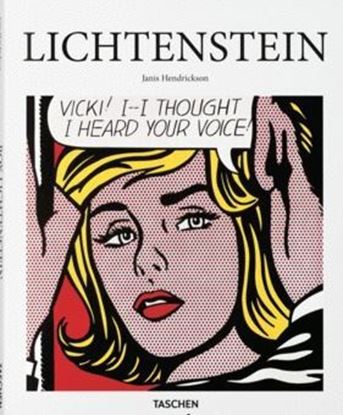
El pintor estadounidense Roy Lichtenstein (1923-1997) impulsó una renovación artística en su país cuando irrumpió, en Nueva York a finales de la década de 1950, en una escena dominada por el expresionismo abstracto y definió un nuevo lenguaje creativo para una nueva era.
Con su innovadora utilización de técnicas de producción industrial e imágenes cotidianas y triviales, como dibujos animados, tiras cómicas y publicidad, Lichtenstein se sumó a artistas contemporáneos como Andy Warhol y James Rosenquist para retratar y satirizar a los medios de comunicación y la cultura consumista de Estados Unidos. En obras como Look, Mickey! (1961), Drowning Girl (1963) y Whaam! (1963) aplicó métodos de producción a gran escala, en concreto la técnica de puntos de Ben Day, para crear un efecto reverberación y su inconfundible estilo de puntos pixelados.
1,250
15,000
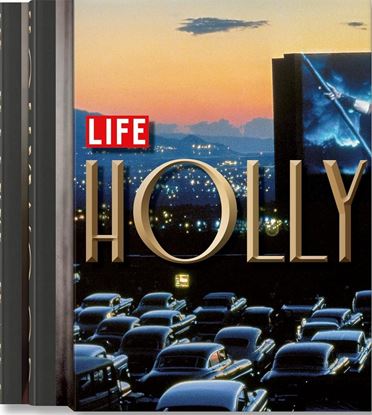
LIFE, HOLLYWOOD (XL) (GB)
In November 1936, publisher Henry R. Luce launched Life as a photo-led weekly news magazine with a clear purpose: “To see life; to see the world; to eyewitness great events.” Before readers’ attention was consumed by television, Life served as their window to the world, and by the late 1940s, it was being viewed by 1 in 3 Americans. Jean Harlow was the first movie star to appear on a Life cover in 1937, and from then until 1972 over 200 covers featured Hollywood-related subjects, illustrating the strength of the bond between Life and the film industry.
15,000