
4,500
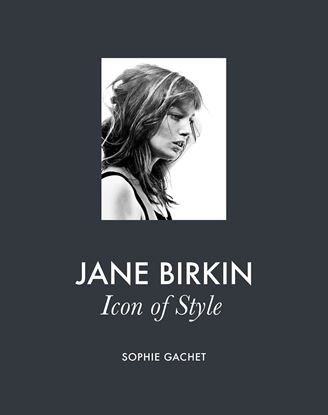
JANE BIRKIN. ICON OF STYLE
More than a fashion muse―she was a cultural icon whose style defined an era, and her legacy continues to influence new generations.
Jane Birkin: Icon of Style pays tribute to her enduring impact and style with a curated collection of stunning photography, fashion illustrations, and intimate portraits. This first of its kind visual celebration traces her evolution from British ingénue to international style icon and showcases the lasting imprint she left on the fashion world.
Whether you're a longtime admirer or discovering her for the first time, this book is a heartfelt homage to Jane Birkin’s timeless elegance, making it a must-have for every fashion lover’s collection.
As the namesake of the legendary Hermès Birkin bag, she brought an unstudied elegance to everything she wore, making simplicity look sophisticated and effortlessly cool. Arriving on the scene in the '60s with her tousled hair, fringe, and basket bag in hand, Jane Birkin quickly captivated the worlds of music, film, and fashion with her bohemian charm and natural beauty.
4,500

1,250
JOANA BIARNES. MODA A PIE DE CALLE
Los reportajes de moda que realizó Joana Biarnés, la primera fotoperiodista española, que muestran la evolución de la moda y de la sociedad en una época de cambios trascendentales, desde el final de la década de 1950 hasta principios de la de 1970.
Pionera en la fotografía de moda, contó con la colaboración destacada de la periodista Rosana Ferrero. Joana se ocupaba del estilismo, de elegir a las modelos y las temáticas de muchos de sus reportajes y editoriales, y consiguió a menudo marcar tendencia. De esta forma, se convirtió en la cronista regular y sistemática de la evolución radical que se produjo en la indumentaria, del clasicismo de la alta costura a la informalidad del prêt-à-porter.
Biarnés trató la moda con la misma proximidad y sinceridad con que abordaba el resto de los temas que documentaba. En un ámbito dado a la fantasía y la sofisticación, Joana situó a menudo las modelos en la calle, con naturalidad, sin buscar escenarios fastuosos o extravagantes y captó como nadie en cada imagen la esencia de su tiempo.
1,250
2,995
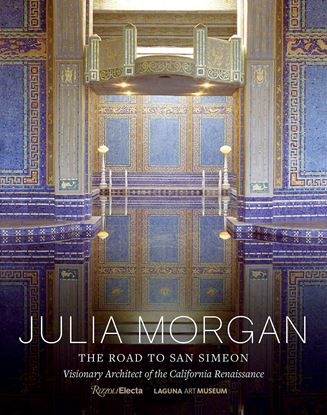
JULIA MORGAN
Julia Morgan was truly a pioneer of her time—among other accomplishments, she was the first woman architect to be licensed in California, in 1904. Through her remarkable life and legacy, this book celebrates the Beaux-Arts architecture of California. Focusing on Morgan’s most famous project in the state, Hearst Castle, to which she devoted more than 30 years of her life, this volume also examines, for the first time, Morgan’s fabulous early buildings in the style. Morgan designed more than 700 buildings across California, many of which are designated landmarks today. Deepening the reader’s understanding of California archi-tecture, this book also places into context Morgan’s ambitions, her influences and inspirations, as well as her daily practice and challenges as a woman shaping an extraordinarily prolific and highly successful career in a man’s world.
To better understand the Beaux-Arts training Morgan underwent in Paris, the reader is taken through the challenging, highly arduous Ecole des Beaux-Arts curriculum, which Morgan completed, a lone woman among men. Also explored, in detail, is the story of how the studio and kilns of California Faience, a Berkeley ceramic artisan’s shop, became the supplier of tens of thousands of tiles designed by Morgan and overseen by Hearst himself to decorate their architectural master-piece overlooking the Pacific Ocean.
2,995
2,500
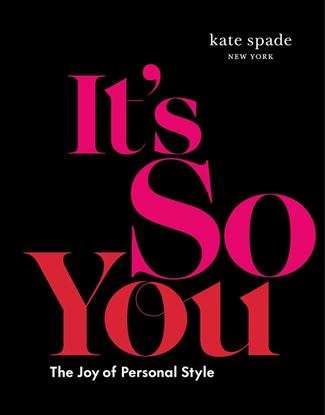
KATE SPADE NEW YORK: IT'S SO YOU
Rules to style? There are none. For each of us, our style is our visual autobiography. A remix of all kinds of things we’ve seen, heard and felt. It’s about self-knowledge instead of rules and restrictions. A self-portrait we create every day. It’s different for everyone.
In this book we've swapped out rules for play. It’s filled with lively conversations, helpful hacks and idea-a-thons of what to wear next. You’ll learn how to see your style in new ways, build and keep a wardrobe you love, play with your clothes and ultimately wear anything that catches your eye.
We love getting dressed and know you do, too. Together we'll celebrate the adventure of finding and exploring your personal style and getting the most out of what you wear.
2,500
2,995
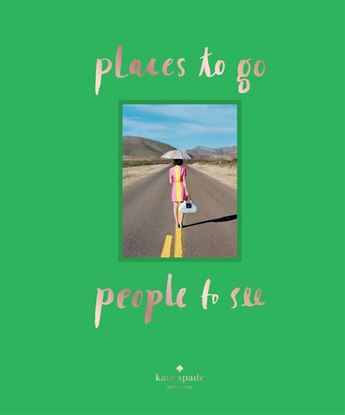
KATE SPADE NEW YORK: PLACES TO GO
This new volume features vibrant photography, old-world glamour, a dash of charm and inspirational quotes, tips and words of wisdom that every kate spade new york girl should know. kate spade new york: places to go, people to see showcases chic destinations such as Paris, New York City, the Amalfi Coast, Marrakech, Tokyo, and St. Moritz, along with ways to incorporate those things seen, heard, and experienced into life back home.
kate spade new york: places to go, people to see will have you booking a plane ticket the moment you finish turning the pages!
2,995

3,600
KIT KEMP. DESIGN STORIES
With her unapologetic use of color, exquisite layering of pattern, and an eye for the unexpected, Kemp has revolutionized contemporary interior design. In her first Rizzoli book, she invites readers into her imaginative world, revealing how she transforms interiors into richly woven stories of texture, craft, and individuality.
Kemp’s spaces are more than just rooms—they are experiences, each one a vibrant tapestry of art, antiques, and bespoke details that surprise and delight. Her signature aesthetic is a masterful blend of craft and sophistication, where embroidered headboards meet hand-painted wallpapers, where ikat-covered cushions blend with twentieth-century art, and where every corner holds a moment of magic.
3,600