NOVEDADES





1,300
BETTER. PERDICION
«Quien ama, tarde o temprano sufre.»
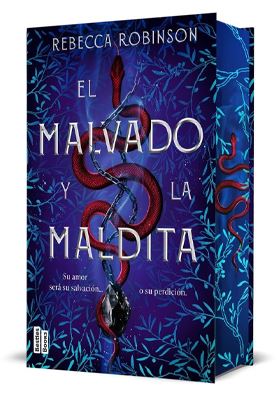
Para Vanessa y Thomas, amarse nunca ha sido fácil. Su relación está condenada a un equilibrio inestable entre el éxtasis y la perdición. No basta con contemplar un cielo lleno de estrellas o una casita en un árbol donde refugiarse; el sentimiento que los une está hecho de noches ardientes y unos celos feroces, destellos de romanticismo y faltas de comprensión que parecen irresolubles. Tras haber estado a punto de perderse, por fin las cosas entre ellos parecen funcionar mejor. Por primera vez, Thomas se muestra vulnerable ante Vanessa y le habla de los fantasmas que lo acechan. En su pasado, se produjo una trágica pérdida que lo convirtió en el chico iracundo y melancólico que es hoy, un alma rota que rechaza cualquier vínculo humano. Pero ni siquiera esta nueva cercanía parece bastar, porque el sufrimiento que lo atenaza es demasiado profundo. Mientras Thomas se sume en una espiral de autodestrucción, Vanessa vuelve a pasar tiempo con Logan, el amable —¿tal vez demasiado amable?— compañero de la universidad que está enamorado de ella. Logan parece ser el único que entiende a Vanessa y que está dispuesto a darle el apoyo que necesita. ¿Servirá eso para que Thomas reaccione? ¿Puede haber un final feliz para dos corazones en colisión?
1,300
1,500
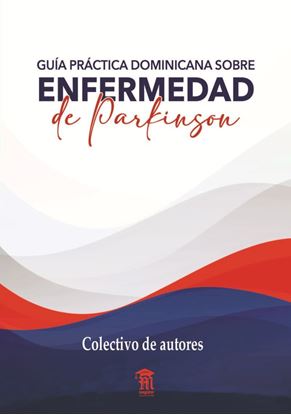
GUIA PRACTICA DOM. SOBRE LA ENFERMEDAD P
Esta Guía práctica dominicana sobre la enfermedad de
Parkinson reúne el conocimiento clínico, la experiencia
profesional y la mirada especializada de destacados médicos
dominicanos, ofreciendo una visión integral, actualizada
y rigurosa de una de las enfermedades neurodegenerativas
más complejas de nuestro tiempo. A través de sus
distintos capítulos —que abordan desde los fundamentos
generales y el diagnóstico hasta los síntomas no motores,
los trastornos neuropsiquiátricos, las complicaciones y las
opciones terapéuticas, incluido el tratamiento quirúrgico—,
esta obra se consolida como una herramienta de
referencia para profesionales de la salud, pacientes y
familiares. Más que un compendio teórico, este manual
constituye un aporte práctico, claro y contextualizado,
orientado a mejorar la comprensión, el abordaje clínico y
la calidad de vida de quienes conviven con la enfermedad
de Parkinson.
1,500
500
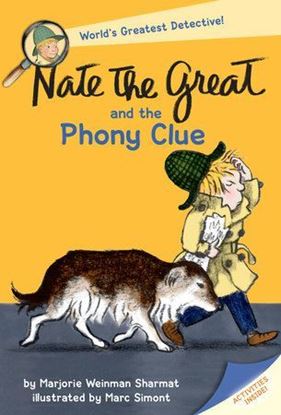
NATE THE GREAT AND THE PONY CLUE (4)
Early one morning, a torn slip of paper with the mysterious letters V I T A appears on Nate the Great’s doorstep. He and his faithful dog, Sludge, set off to solve this latest mystery. Against ferocious cats, hostile adversaries, and a sly, phony clue — not to mention a three o’clock deadline — Nate struggles to prove, once again, that he is Nate the Great.
500
1,700
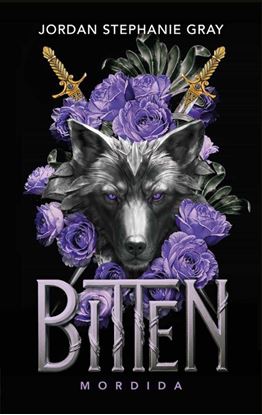
BITTEN (MORDIDA)
Tras el ataque de unos hombres lobo en la noche de su decimoséptimo cumpleaños, Vanessa Hart pierde todo lo que ama en un abrir y cerrar de ojos: a su mejor amiga, a su padre e incluso su hogar.
Después de que la capturen y encierren, Vanessa sufre una transformación horrible que la convierte en la misma bestia que la mordió, y sus captores le dejan bien claro que nunca podrá escapar: o le jura su vida a la corte de la reina loba o morirá.
Sin más opción, Vanessa se une al castillo Severi, un lugar en el que crecen increíbles enredaderas por las paredes, las estrellas parecen conceder regalos y una garra puede atravesar la piel como si fuera seda. Pero ella no ha olvidado lo que le arrebataron.
Vanessa todavía busca venganza, así que comienza a maquinar un plan desde las sombras. aunque pronto se ve hipnotizada por el príncipe Sinclair Severi, quien amenaza con robarle el corazón a pesar de que está prometido con su némesis, y por su melancólico y desgraciado primo, Calix, cuya mirada ardiente esconde secretos aún más oscuros.
1,700
800
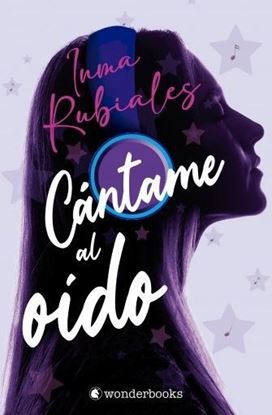
CANTAME AL OIDO
Escribiría todas mis canciones sobre ti.
Holland es una de las chicas más populares e inteligentes del instituto y su vida parece perfecta. Alex es un chico tímido y solitario que ama la música, pero renunció a su pasión hace tiempo tras sufrir una trágica pérdida. Cuando ambos coinciden por casualidad en el cuarto del conserje, no saben que sus vidas están a punto de cambiar.
Acompañado de un variopinto y divertido grupo de amigos, Alex forma una banda de pop rock en la que cada miembro brilla con luz propia y con la que, junto a Holland, aprenderá que la música y la confianza en uno mismo pueden sanar incluso los corazones más rotos.
800
500
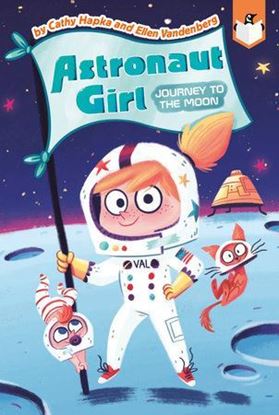
JOURNEY TO THE MOON 1
Val, aka Astronaut Girl, is just your typical eight-year-old scientist. She has her own laboratory and conducts experiments with her crew–her cat and baby brother. She loves science and knows everything about outer space. That’s why she’s surprised to learn that her new neighbor Wallace would rather talk about a fake space show than about real missions. But when Astronaut Girl, Wallace, and the Astro crew get lost on their own lunar adventure, they must all work together to find their way back home.
500