
450
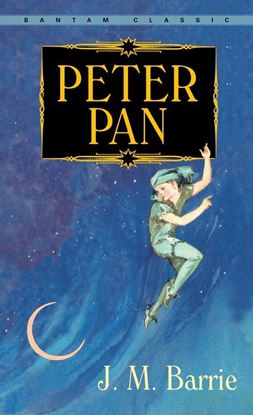
PETER PAN (BANTAM CLASSIC) (MM)
Considered a masterpiece since its first appearance on stage in 1904, Peter Pan is J. M. Barrie’s most famous work and arguably the greatest of all children’s stories. While it is a wonderful fantasy for the young, Peter Pan, particularly in the novel form Barrie published in 1911, says something important to all of us. Here “the boy who wouldn’t grow up” and his adventures with Wendy and the lost boys in the Neverland evoke a deep emotional response as they give form to our feelings about parents, boys and girls, the unknown, freedom, and responsibility. Humorous, satiric, filled with suspenseful cliff-hangers and bittersweet truths, Peter Panworks an indisputable magic on readers of all ages, making it a true classic of imaginative literature.
450
295
1,750
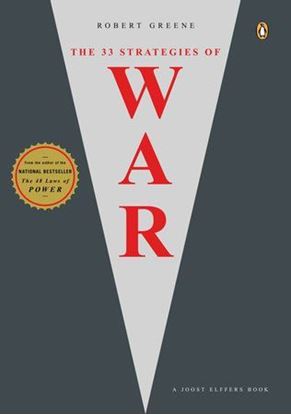
THE 33 STRATEGIES OF WAR
Robert Greene’s groundbreaking guides, The 48 Laws of Power, The Art of Seduction, and Mastery, espouse profound, timeless lessons from the events of history to help readers vanquish an enemy, ensnare an unsuspecting victim, or become the greatest in your field. In The 33 Strategies of War, Greene has crafted an important addition to this ruthless and unique series.
Spanning world civilizations, synthesizing dozens of political, philosophical, and religious texts and thousands of years of violent conflict, The 33 Strategies of War is the I-Ching of conflict, the contemporary companion to Sun Tzu’s The Art of War.
Abundantly illustrated with examples from history, including the folly and genius of everyone from Napoleon to Margaret Thatcher, Shaka the Zulu to Lord Nelson, Hannibal to Ulysses S. Grant, as well as movie moguls, Samurai swordsmen, and diplomats, each of the thirty-three chapters outlines a strategy that will help you win life’s wars. Learn the offensive strategies that require you to maintain the initiative and negotiate from a position of strength, or the defensive strategies designed to help you respond to dangerous situations and avoid unwinnable wars. The great warriors of battlefields and drawing rooms alike demonstrate prudence, agility, balance, and calm, and a keen understanding that the rational, resourceful, and intuitive always defeat the panicked, the uncreative, and the stupid. An indispensable book, The 33 Strategies of War provides all the psychological ammunition you need to overcome patterns of failure and forever gain the upper hand.
1,750
1,750
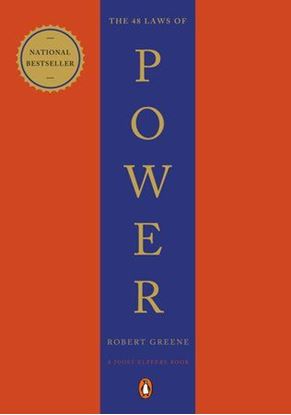
THE 48 LAWS OF POWER
Some laws teach the need for prudence (“Law 1: Never Outshine the Master”), others teach the value of confidence (“Law 28: Enter Action with Boldness”), and many recommend absolute self-preservation (“Law 15: Crush Your Enemy Totally”). Every law, though, has one thing in common: an interest in total domination. In a bold and arresting two-color package, The 48 Laws of Power is ideal whether your aim is conquest, self-defense, or simply to understand the rules of the game.
1,750
2,200
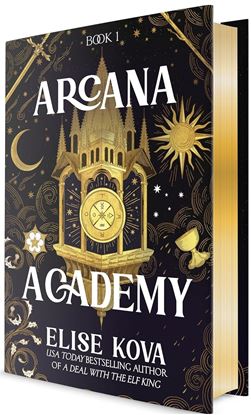
ARCANA ACADEMY (HC)
Clara Graysword has survived the underworld of Eclipse City through thievery, luck, and a whole lot of illegal magic. After a job gone awry, Clara is sentenced to a lifetime in prison for inking tarot cards—a rare power reserved for practitioners at the elite Arcana Academy.
Just when it seems her luck has run dry, the academy’s enigmatic headmaster, Prince Kaelis, offers her an escape—for a price. Kaelis believes that Clara is the perfect tool to help him steal a tarot card from the king and use it to re-create an all-powerful card long lost to time.
In order to conceal her identity and keep her close, Kaelis brings Clara to Arcana Academy, introducing her as the newest first-year student and his bride-to-be.
Thrust into a world of arcane magic and royal intrigue, where one misstep will send her back to prison or worse, Clara finds that the prince she swore to hate may not be what he seems. But can she risk giving him power over the world—and her heart? Or will she take it for herself?
2,200