



6,500
JAPAN 1900. A PORTRAIT IN COLOR (FP) INT
The Golden Age of Travel neatly overlaps with the reign of the Emperor Meiji, which began in 1868 with the overthrow of a feudal order that had kept Japan secluded from the outside world for more than 200 years. In the ensuing four-and-a-half decades, Japan became a less remote and more attractive destination for the international traveler and a popular subject for photographers, both Japanese and foreign.
6,500

1,995
JAPANESE WOODBLOCK PRINTS. (40TH ED.)
Del retrato que hizo Edouard Manet del escritor naturalista Émile Zola ante una estampa japonesa a las meticulosas copias de los grabados de Hiroshige que Van Gogh coleccionó con devoción, los pioneros del modernismo europeo del siglo XIX no ocultaron su amor por el arte japonés. En toda su sensualidad, libertad y efervescencia, la xilografía es el ejemplo por antonomasia de la ola de japonismo que primero cautivó a Francia y más tarde a toda Europa, a menudo en forma de objetos “exóticos” malinterpretados que contribuyeron a inspirar la creatividad occidental.
La xilografía japonesa es un fenómeno sin equivalente en el arte occidental. Algunas de las ideas más disruptivas del arte moderno —entre ellas, como expresó Karl Marx, que “todo lo sólido se derrite en el aire”— se inventaron en Japón a principios del siglo XVIII y se expresaron como nunca antes en las obras de maestros de la talla de Hokusai, Utamaro e Hiroshige a principios del siglo XIX.
1,995
1,995
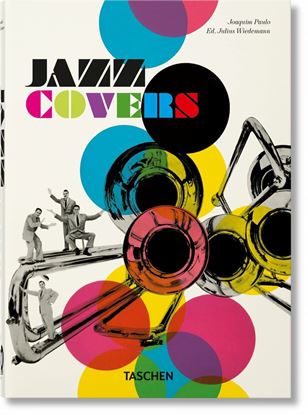
JAZZ COVERS (45TH) (INT)
Part design history, part trip down musical memory lane, this anthology of jazz album artwork is above all a treasure trove of creative and cultural inspiration. Spanning half a century, it assembles the most daring and dynamic jazz cover designs that helped make and shape not only a musical genre but also a particular way of experiencing life.
From the 1940s through to the decline of LP production in the early 1990s, each chosen cover design is distinct in the way it complements the energy of the album’s music with its own visual rhythms of frame, line, text, and form. To satisfy even the most demanding of music geeks, each record cover is accompanied by a fact sheet listing performer and album name, art director, photographer, illustrator, year, label, and more.
1,995
1,750
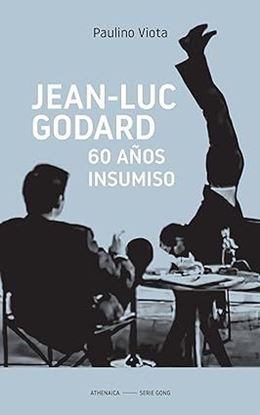
JEAN-LUC GODARD
Casi las mismas decadas de insumisión y rebeldía que ha protagonizado Godard con su vida y obra lleva Paulino Viota estudiando ambas, desde el apasionamiento cinefilo y la devoción inteligente que siente por "el cineasta con mayor riqueza estructural de la historial del cine". Dividido en dos grandes bloques, este ensayo magistral y ya definitivo tras la reciente desaparición del cineasta pone en perspectiva todas las etapas de su mítica carrera, que arranca con la irreverente modernidad de los años 60, atraviesa la militancia política y el utópico deseo de fusión en lo colectivo, y desemboca, rayando el nuevo milenio y como colofón a una duradera y profunda reflexión sobre la mediación tecnológica, en ese estilo inimitable donde lo poetico acontece como posibilidad de una simultaneidad inedita entre imágenes y sonidos, materiales ya convertidos en "formas que piensan" la historia del cine y la del siglo XX, como ejemplifica a la perfección una de sus cimas, "Histoire(s) du cinema".
1,750
1,250
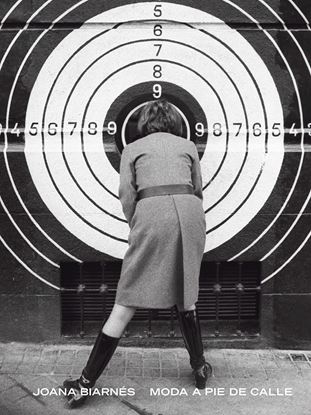
JOANA BIARNES. MODA A PIE DE CALLE
Los reportajes de moda que realizó Joana Biarnés, la primera fotoperiodista española, que muestran la evolución de la moda y de la sociedad en una época de cambios trascendentales, desde el final de la década de 1950 hasta principios de la de 1970.
Pionera en la fotografía de moda, contó con la colaboración destacada de la periodista Rosana Ferrero. Joana se ocupaba del estilismo, de elegir a las modelos y las temáticas de muchos de sus reportajes y editoriales, y consiguió a menudo marcar tendencia. De esta forma, se convirtió en la cronista regular y sistemática de la evolución radical que se produjo en la indumentaria, del clasicismo de la alta costura a la informalidad del prêt-à-porter.
Biarnés trató la moda con la misma proximidad y sinceridad con que abordaba el resto de los temas que documentaba. En un ámbito dado a la fantasía y la sofisticación, Joana situó a menudo las modelos en la calle, con naturalidad, sin buscar escenarios fastuosos o extravagantes y captó como nadie en cada imagen la esencia de su tiempo.
1,250
2,500
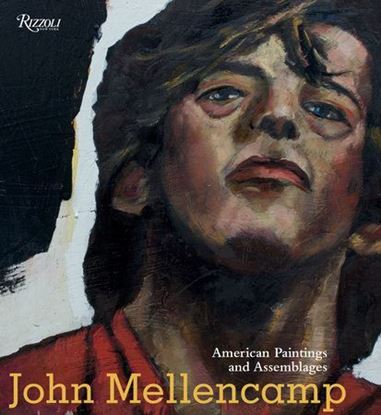
JOHN MELLENCAMP. AMERICAN PAITINGS AND A
Longtime music icon John Mellencamp’s artistic expression has never been limited to song.
The acclaimed singer-songwriter John Mellencamp has been an accomplished painter for more than four decades. This definitive survey—curated by Mellencamp himself—of his large-scale oil portraits and mixed-media assemblages documents America’s heart and soul, revealing unsettling but beautiful truths with an antiestablishment frown and a rich sense of narrative.
“Although we may primarily know Mellencamp as a rock star, one of the highest-selling of all time and a Hall of Famer, he is also a great painter, as this book shows. Not a musician who also paints... No, John legitimately belongs in the modern art pantheon,” says Bob Guccione Jr. in his essay that delineates the connection of Mellencamp’s music and art, both imbued with the earnest voice of America’s heartland.
2,500