


2,300
HIROSHIGE (45TH ED.) (INT)
Utagawa Hiroshige (1797–1858) was one of the last great artists in the ukiyo-e tradition. Literally meaning “pictures of the floating world,” ukiyo-e was a particular genre of art that flourished between the 17th and 19th centuries and came to characterize the Western world’s visual idea of Japan. In many ways images of hedonism, ukiyo-e scenes often represented the bright lights and attractions of Edo (modern-day Tokyo): beautiful women, actors and wrestlers, city life, and spectacular landscapes.
Though he captured a variety of subjects, Hiroshige was most famous for landscapes, with a final masterpiece series known as “One Hundred Famous Views of Edo” (1856–1858), which depicted various scenes of the city through the seasons, from bustling shopping streets to splendid cherry orchards.
This reprint is made from one of the finest complete original sets of woodblock prints belonging to the Ota Memorial Museum of Art in Tokyo. It pairs each of the 120 illustrations with a description, allowing readers to immerse themselves in these beautiful, vibrant vistas that became paradigms of Japonisme and inspired Impressionist, Post-Impressionist and Art Nouveau artists alike, from Vincent van Gogh to James McNeill Whistler.
2,300
1,250
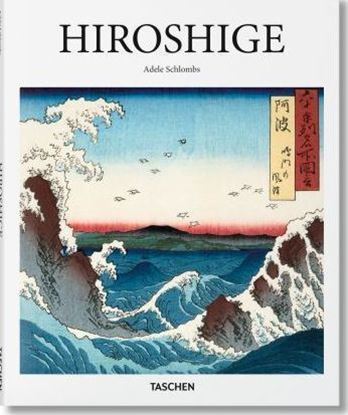
HIROSHIGE (BASIC ART EDITION) GB
Utagawa Hiroshige (1797–1858) was one of the last great artists in the ukiyo-e tradition. Literally meaning “pictures of the floating world,” ukiyo-e was a particular woodblock print genre of art that flourished between the 17th and 19th centuries. Subjects ranged from the bright lights and attractions of Edo (modern-day Tokyo), to spectacular natural landscapes.
In the West, Hiroshige’s prints became exemplary of the Japonisme that swept through Europe and defined the Western world’s visual idea of Japan. Because they could be mass produced, ukiyo-e works were often used as designs for fans, greeting cards, and book illustrations. The style influenced Impressionist, Post-Impressionist, and Art Nouveau artists alike, with Vincent van Gogh and James Abbott McNeill Whistler both particularly inspired by Hiroshige’s landscapes.
1,250
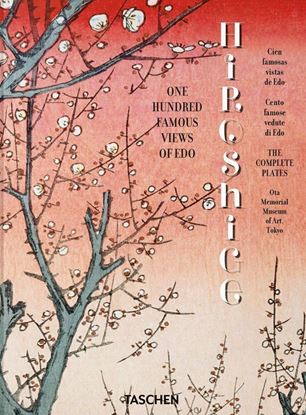
2,300
HIROSHIGE. ONE HUNDRED FAMOUS VIEWS
Luces urbanas y cerezos
Los grabados en madera de Tokio que cautivaron la imaginación de Europa
Utagawa Hiroshige (1797-1858) fue uno de los últimos grandes artistas de la tradición japonesa del ukiyo-e. La palabra significa literalmente «pinturas del mundo flotante» y designa un género artístico que floreció entre los siglos xvii y xix y simbolizó la imagen de Japón en el mundo occidental. Las escenas del ukiyo-e, que en muchos aspectos eran de tipo hedonista, representaban a menudo la brillante luminosidad y las atracciones de Edo: mujeres hermosas, actores y luchadores de sumo, la vida urbana y panorámicas espectaculares.
2,300
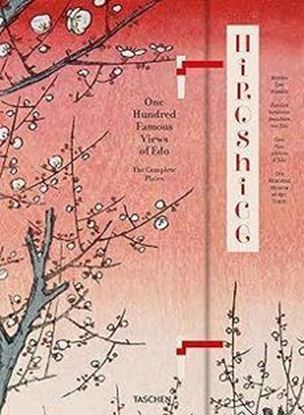
4,995
HIROSHIGE. ONE HUNDRED FAMOUS VIEWS
Utagawa Hiroshige (1797-1858) fue uno de los últimos grandes artistas de la tradición japonesa del ukiyo-e. La palabra significa literalmente «pinturas del mundo flotante» y designa un género artístico que floreció entre los siglos xvii y xix y simbolizó la imagen de Japón en el mundo occidental. Las escenas del ukiyo-e, que en muchos aspectos eran de tipo hedonista, representaban a menudo la brillante luminosidad y las atracciones de Edo: mujeres hermosas, actores y luchadores de sumo, la vida urbana y panorámicas espectaculares.
Pese a abarcar una gran variedad de temas, Hiroshige se hizo famoso sobre todo por sus paisajes. De hecho, su obra maestra fue una serie de grabados conocida como Cien famosas vistas de Edo (1856-1858), que reproduce varias escenas de la ciudad en el curso de las estaciones, desde las animadas calles comerciales hasta las espléndidas huertas de cerezos.
4,995
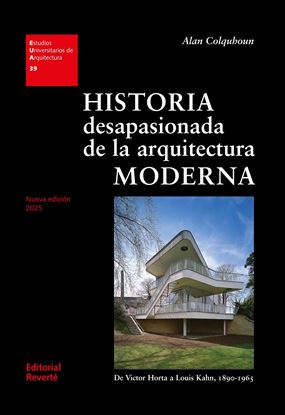
1,995
HISTORIA DESAPACIONADA DE LA ARQ. MODER.
Este libro apareció originalmente en 2002, dentro de la colección Oxford History of Art. Esta nueva edición pretende volver a plantear la vigencia de la crítica al Movimiento Moderno, de la que Alan Colquhoun fue uno de los más distinguidos representantes.
El autor analiza la evolución de la arquitectura moderna desde el Art Nouveau, surgido en la última década del siglo XIX, hasta las aportaciones de Louis Kahn, realizadas a partir de mediados de los años 1960.
El estudio analiza las complejas motivaciones que impulsaron ese Movimiento Moderno, considerado 'revolucionario', y da cuenta de sus éxitos y sus fracasos. Se repasa también la actividad de los principales protagonistas del periodo (como Frank Lloyd Wright, Adolf Loos, Ludwig Mies van de Rohe, Le Corbusier y Alvar Aalto) y se ofrece una nueva visión de su papel como maestros de reconocido prestigio.
Alan Colquhoun explica que la línea que ha seguido en la definición de la 'arquitectura moderna' es la que pertenece a la tradición que la consideraba una arquitectura consciente de su propia modernidad que luchaba en favor del cambio. El libro trata de situarse en el espacio que queda entre las utopías idealistas de las vanguardias históricas y las resistencias, complejidades y pluralidades de la cultura capitalista.
La exposición sigue una secuencia cronológica global e intenta ser, según el autor, menos segura en su resultado y menos triunfalista que la mayoría de las historias anteriores del Movimiento Moderno. Sigue siendo, principalmente, una historia de los maestros, debido a que ésa era la naturaleza del propio Movimiento Moderno, pese a sus muchas reivindicaciones en favor del anonimato.
1,995

1,995
HISTORY OF GRAPHIC DESIGN (45TH) (INT)
Through the turbulent passage of time, graphic design—with its vivid, neat synthesis of image and idea—has distilled the spirit of each age. Surrounding us every minute of every day, from minimalist packaging to colorful adverts, smart environmental graphics to sleek interfaces: graphic design is as much about transmitting information as it is about reflecting society’s cultural aspirations and values.
1,995