

1,600
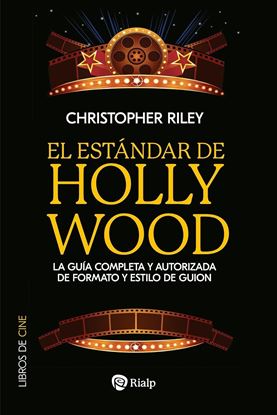
EL ESTANDAR DE HOLLYWOOD
Pensado para que el guionista lo tenga siempre a mano, El estándar de Hollywood proporciona mucho más que el mejor software de guiones: instrucciones claras y cientos de ejemplos para resolver todo interrogante sobre el formato: cuándo es apropiado un nuevo encabezamiento de plano y cuándo no; cómo dar formato a los encabezamientos de plano, diálogos, indicaciones de dirección y transiciones; cómo controlar el ritmo con el formato; cómo hacer que una página de guion resulte visualmente atractiva para el lector; qué poner en mayúsculas y por qué; cómo entrar y salir de una toma PDV; cómo manejar los mensajes de texto y las reuniones Zoom; cómo los guionistas más innovadores de Hollywood están ampliando los límites del formato; cómo el formato para animación difiere de los formatos de acción real... En pocas palabras, Riley sabe más que nadie en Hollywood sobre el formato de guiones y lo comparte todo en esta guía indispensable.
1,600
500
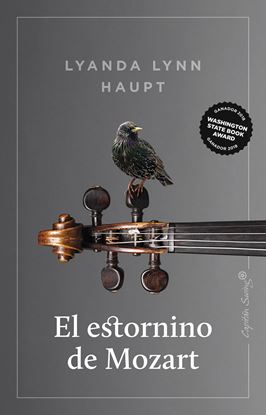
EL ESTORNINO DE MOZART (OF2)
El 27 de mayo de 1784, Wolfgang Amadeus Mozart se encontró en una tienda vienesa con un coqueto estornino que cantó una versión improvisada del tema de su Concierto para piano n.º 17 en sol mayor. Al percibir un espíritu afín en el joven pájaro, lo compró y se lo llevó a casa como mascota. Durante tres años, el estornino vivió con Mozart, influyendo en su obra y sirviéndole de compañero, distracción, consuelo y musa. Dos siglos después, los estorninos son vilipendiados incluso por los conservacionistas más compasivos. Como especie invasora no autóctona, invaden hábitats sensibles, compiten con las aves locales por los lugares de anidación y el alimento, y diezman los cultivos. La ornitóloga y naturalista Lyanda Lynn Haupt conoce bien las tensas relaciones de estas aves con otras especies y el medio ambiente. Pero, tras rescatar a una cría de estornino, quedó encantada con esa inteligencia y el espíritu juguetón que habían maravillado a su compositor favorito. Haupt explora el improbable y extraordinario vínculo entre uno de los compositores más apreciados de la historia y uno de los pájaros más comunes de la Tierra. Las historias entrelazadas de la mascota de Mozart y del estornino de Haupt ofrecen una insólita mirada a la amistad entre humanos y animales, al mundo secreto de los estorninos y a la naturaleza de la inspiración creativa.
500
2,500
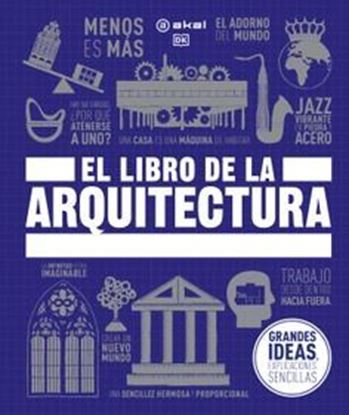
EL LIBRO DE LA ARQUITECTURA
Desde la arquitectura antigua y clásica hasta los edificios medievales, góticos y renacentistas, la explosión del barroco y el rococó y la "batalla de los estilos" del siglo XIX, hasta el surgimiento del modernismo, el posmodernismo y los brillantes rascacielos de los siglos XX y XXl libro traza la evolución de la construcción. Utilizando impresionantes infografías y mapas mentales, muestra cómo los arquitectos a lo largo de la historia han traspasado los límites y creado edificios innovadores. Se extraen ejemplos de movimientos y estilos arquitectónicos de todo el mundo. Los edificios célebres de Europa y América del Norte y del Sur se presentan junto con ejemplos clave de China, Japón e India, e impresionantes estructuras religiosas, desde mezquitas hasta iglesias, y desde estupas hasta pagodas y templos.
2,500
1,995

3,995
EL LIBRO DE LAS SOMBRAS
Una selección inédita de más de trescientas pinturas, dibujos y grabados de espectros, demonios, hadas y brujas.
Un periplo mágico e inquietante al mundo de las sombras, de la mano de 150 maestros.
Una bella y sobrecogedora selección inédita de pinturas, dibujos y grabados del Romanticismo, el academicismo, el simbolismo y el prerrafaelismo, con la colaboración de expertos en historia de la magia, el espiritismo y la demonología.
3,995
2,500
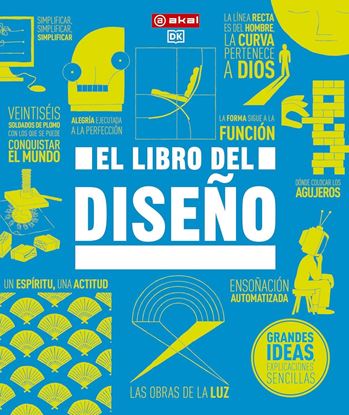
EL LIBRO DEL DISEÑO
Una visión fascinante de los movimientos del diseño, que muestra cómo comenzó cada uno y describe su filosofía y estilo visual. El diseño está presente en todo lo que hacemos y fabricamos. Ha dado forma a nuestro mundo desde tiempos inmemorialesy sigue haciéndolo. El diseño es algo complejo: se cruza con el arte,la arquitectura, la publicidad y la artesanía, pero conserva su propiaintegridad. Es, en esencia, lo que da forma y encanto a los objetos funcionalesy un tono a la forma en que nos expresamos como individuos o empresas.
2,500