1,500
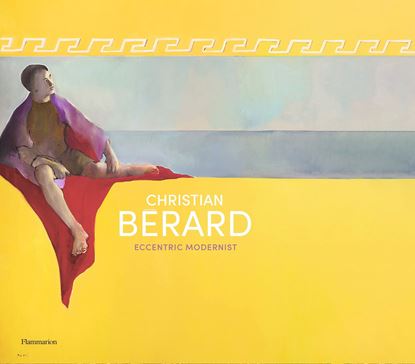
CHRISTIAN BERARD. ECCENTRIC MODERNIST
Christian Bérard worked freely in many artistic circles and fields as a painter, designer of theater and film sets and costumes, fashion designer, interior designer, masterful draftsman, and colorist. His iconic drawings epitomized the Paris fashion world and graced the covers of Vogue, Harper’s Bazaar, and Women’s Wear Daily in the 1920s and 1930s. Tracing his eccentric and colorful life of encounters and artistic partnerships with the greatest creatives of his time—Jean-Michel Frank, Christian Dior, Gabrielle Chanel, Jean Cocteau, Boris Kochno—this book includes more than two hundred of his paintings, drawings, photographs, intimate correspondences, and interior decorations, along with portraits of Bérard by Cartier-Bresson, Horst, and Schall.
1,500
1,995
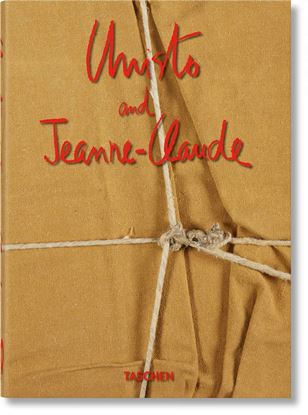
CHRISTO & JEANNE-CLAUDE (405TH) (INT)
The works of Christo and Jeanne-Claude are monuments of transience. Gigantic in scale, they are always temporary, created to exist only for a limited time and to leave unique, unrepeatable impressions. “From the smallest of the Packages made in Paris in the early 1960s, to the delicate pattern of hundreds of branches embraced by a translucent fabric veil... in Christo and Jeanne-Claude’s works there is nothing abstract, nothing imagined; it is all there―corporeal and tangible.” (Lorenza Giovanelli)
1,995
1,450
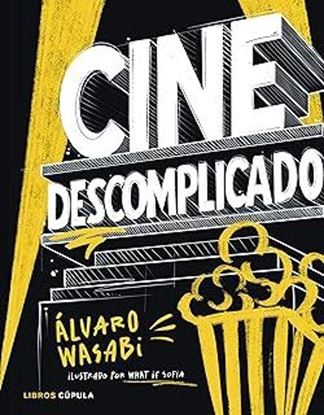
CINE DESCOMPLICADO
¿Por qué todavía se ruedan películas con guiones tan malos? ¿Qué es un actor bancable? ¿Cómo es posible que Harry Potter no fuera rentable en taquilla? ¿Cúal es la cámara de cine más usada de la historia?
Cine descomplicado es una guía divertida, visual y sorprendentemente adictiva que te revela todo lo que siempre quisiste saber sobre el mundo del cine: cómo se hace una película, cómo funcionan las grandes productoras, qué ocurre realmente en un rodaje y por qué algunas acaban siendo auténticos desastres gloriosos.
No hace falta leerlo de principio a fin. Puedes abrirlo por cualquier capítulo y descubrir cómo se ruedan las escenas de acción, quién manda realmente en un rodaje o qué pasa después de la última claqueta.
1,450
1,995
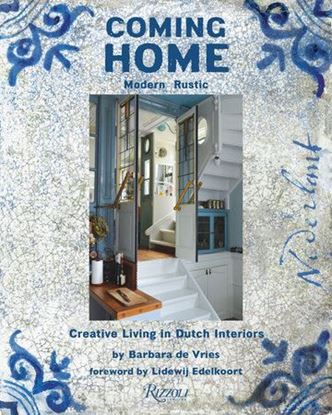
COMING HOME
A celebration of the innovative, artisanal, and sustainable living exemplified by contemporary Dutch interiors.
With a carefully curated collection of interiors, including historic canal houses, restored farms, and green homes, belonging to interior designers, product designers, architects, and artists, this book showcases creative and resourceful living. These properties have been created or renovated and brought into the twenty-first century with typical Dutch style and sensibility—environmentally friendly, imaginative uses of space filled with color and charm and never to be taken too seriously.
1,995
1,900
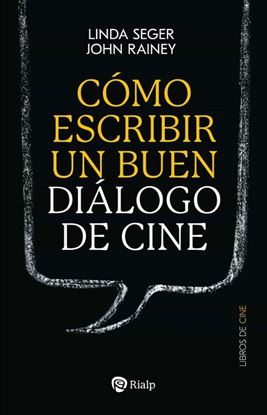
COMO ESCRIBIR UN BUEN DIALOGO DE CINE
A diferencia de la conversación cotidiana, el diálogo en las historias debe presentarnos a los personajes, hacer que la historia avance, e incluir algunas líneas memorables que el público tal vez cite durante décadas. Las mejores historias tienen diálogos brillantes, pero es fácil caer en diálogos rígidos o demasiado obvios, o en frases poco naturales y repetitivas. Linda Seger y John Rainey están aquí para ayudarte con todos tus problemas de diálogo. En cada capítulo, exploran el diálogo desde una perspectiva diferente y analizan ejemplos de buenos diálogos de películas y novelas. Cada capítulo termina con ejemplos de diálogos deficientes, anotados por Linda y reescritos por John, para que los lectores aprendan a reconocerlos y también a mejorarlos. Si estás escribiendo ficción o no ficción, para la pantalla o para la página, este libro hará que tus personajes hablen.
1,900
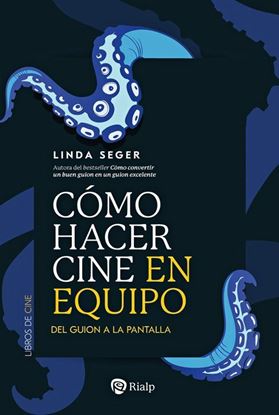
1,750
COMO HACER CINE EN EQUIPO
La veterana consultora de guiones Linda Seger examina grandes guiones contemporáneos y clásicos, y explica con ellos el audaz viaje que supone llevar el guion a la pantalla. Esta edición, totalmente revisada y actualizada, incluye entrevistas con más de 80 artistas de prestigio en su ámbito (escritores, productores, directores, actores, editores, compositores y diseñadores de producción). Sus discusiones sobre el arte y el oficio de la realización cinematográfica, y cómo y por qué toman sus decisiones, proporcionan a estudiantes, profesionales del cine y escritores de guiones la guía definitiva para crear el mejor “plan” posible para una película, y para comprender las decisiones artísticas y técnicas de todos los involucrados en el proceso.
1,750