
1,450
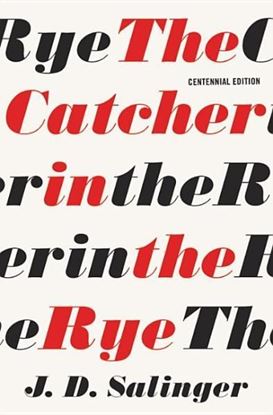
THE CATCHER IN THE RYE
"If you really want to hear about it, the first thing you'll probably want to know is where I was born, and what my lousy childhood was like, and how my parents were occupied and all before they had me, and all that David Copperfield kind of crap, but I don't feel like going into it, if you want to know the truth."
The hero-narrator of The Catcher in the Rye is an ancient child of sixteen, a native New Yorker named Holden Caufield. Through circumstances that tend to preclude adult, secondhand description, he leaves his prep school in Pennsylvania and goes underground in New York City for three days.
1,450
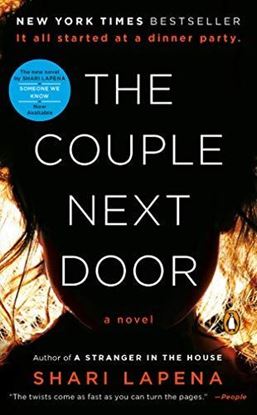
650
THE COUPLE NEXT DOOR (MM)
AN INSTANT NEW YORK TIMES BESTSELLER Shari Lapena's new thriller, AN UNWANTED GUEST, is available now! "The twists come as fast [as] you can turn the pages." --People "Provocative and shocking." --Lisa Gardner, New York Times bestselling author of Find Her "I read this novel at one sitting, absolutely riveted by the storyline. The suspense was beautifully rendered and unrelenting!" --Sue Grafton, New York Times bestselling author of X It all started at a dinner party. . . A domestic suspense debut about a young couple and their apparently friendly neighbors--a twisty, rollercoaster ride of lies, betrayal, and the secrets between husbands and wives. . . Anne and Marco Conti seem to have it all--a loving relationship, a wonderful home, and their beautiful baby, Cora. But one night, when they are at a dinner party next door, a terrible crime is committed. Suspicion immediately lands on the parents. But the truth is a much more complicated story. Inside the curtained house, an unsettling account of what actually happened unfolds. Detective Rasbach knows that the panicked couple is hiding something. Both Anne and Marco soon discover that the other is keeping secrets, secrets they've kept for years. What follows is the nerve-racking unraveling of a family--a chilling tale of deception, duplicity, and unfaithfulness that will keep you breathless until the final shocking twist.
650
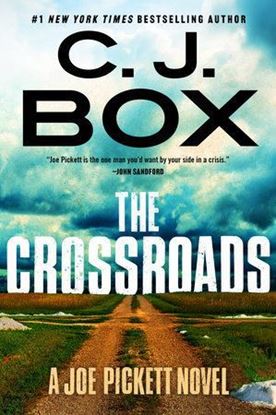
1,600
THE CROSSROADS
Marybeth Pickett gets the call she has always dreaded: her husband Joe is in critical condition with a gunshot wound to the head.
Joe was found in his pickup at Antler Creek Junction, a crossroads connecting three ranches. Each road leading to a dangerous family. Each family with a different bone to pick with the local game warden. Marybeth and the new sheriff assume that Joe was ambushed by one of the families, but they have no idea which one since Joe didn’t say where he was going or why.
With Joe unconscious and fighting for his life with Marybeth at his side, Sheridan, April, and Lucy split up and investigate each of families to uncover the truth of what happened to their father, before it’s too late.
1,600

950
THE CULTURE PLAYBOOK
As an entrepreneur and founder of an investment bank led by women, | found The Culture Playbook to be an invaluable asset, providing tools and techniques as 1 work to unleash my team's full power and potential in an ever-evolving workplace. Daniel Coyle has given us all a game plan for success.”
950
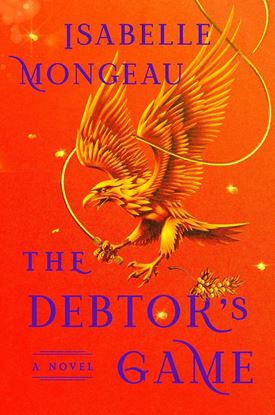
1,250
THE DEBTOR S GAME
"As a palace faerie, Avery is busy preparing Lady Kassandra, a High Fae of the House of Illusion, for the upcoming coronation. Both of their freedoms rely on it: Kassandra, to escape her violent brother, and Avery, to pay off rings of debt tattoos she has inherited from her family, which force her to serve the High Fae. After a series of tragic events, Avery is forced to split her loyalties between Lady Kassandra and the newly crowned King Maxian, an alluring High Fae of staggering power. Avery agrees to spy on the King in exchange for liberating her family from debt, forming a triangle that proves more dangerous by the minute--further complicated by Avery's warring desire and resentment for both Maxian and Kassandra. But freedom from her debt grows further out of reach when she's forced to test her loyalties, leading her to uncover secrets about the High Fae with earth-shattering implications. Soon, Avery must find out whether the faeries--and herself--are really as powerless against the High Fae as they seem...or whether she just might hold the key to freeing them all."
1,250
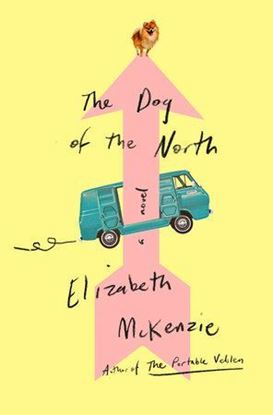
750
THE DOG OF THE NORTH
Penny Rush has problems. Her marriage is over; she’s quit her job. Her mother and stepfather went missing in the Australian outback five years ago; her mentally unbalanced father provokes her; her grandmother Dr. Pincer keeps experiments in the refrigerator and something worse in the woodshed. But Penny is a virtuoso at what’s possible when all else fails.
750