1,500
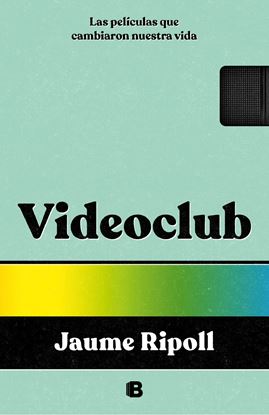
VIDEOCLUB. LAS PELICULAS QUE CAMBIARON
Esta es la historia de un niño con sobrepeso y acné que se despertaba de madrugada para ver películas.
Esta también es la historia del padre de ese niño, propietario de videoclubs, coleccionista de VHS y el hombre que pensaba que la mejor educación para su hijo era el cine.
Esta es la historia de cómo el cine puede cambiar nuestras vidas y hacerlas mejores.
Jaume Ripoll, cofundador de Filmin -una de las plataformas de cine más prestigiosas de los últimos tiempos- nos relata en este libro su historia de amor incondicional con el séptimo arte. De su mano, volveremos a los videoclubs de barrio en un recorrido nostálgico y fascinante lleno de anécdotas y recomendaciones que nos harán (re)descubrir y recuperar las obras imprescindibles que marcaron varias generaciones.
«He hecho un viaje de espectador a distribuidor, del placer al trabajo, y ahora escribo este libro con la esperanza de que restaure parte de la ilusión perdida y permita al lector descubrir y recuperar obras que posiblemente han significado tanto en su vida como lo han hecho en la mía. Al fin y al cabo, el cine es una experiencia solitaria que se disfruta en compañía».
1,500
1,250
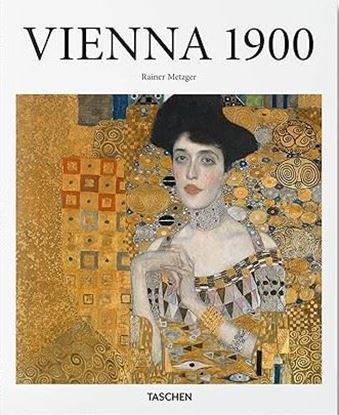
VIENNA 1900 (BA-ART) (GB)
Poets and intellectuals brushed shoulders in bustling coffeehouses, young avant-gardists heralded a new era in social and sexual liberalism, waltzes resounded through the Ringstrasse, the Vienna Secession preached: “To every age its art — to every art its freedom;” and tremors warned of looming political disintegration when the Austrian capital passed into a new century.
Across economics, science, art, and music, Vienna blossomed into a “laboratory of modernity,” one which nurtured some of the greatest artistic innovators—from Egon Schiele’s unflinching nude portraits to Gustav Klimt’s decadent Portrait of Adele Bloch-Bauer I, from the ornamental seams and glass floors of Otto Wagner to Ditha Moser’s calendars adorned in golden deities.
1,250
4,995
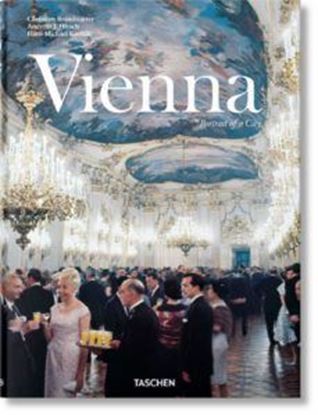
VIENNA. PORTAIT (FO) INT
Viena combina drama y elegancia como pocas ciudades. Majestuosa y sinónimo para muchos de suntuosos palacios y grandeza imperial, la urbe a orillas del Danubio fue durante siglos el corazón del Imperio austrohúngaro. Pero más allá de la exuberancia del barroco, Viena es también una de la capitales de la refinada cultura de café y de la tradición epicúrea, y atesora al mismo tiempo un patrimonio de música, arte y diseño vanguardista y exquisito que va de Johan Strauss a Egon Schiele, de Gustav Mahler a Josef Hoffmann.Vienna, Portrait of a City es un tesoro compuesto por fotografías de los últimos 175 años que repasan la evolución de la ciudad, desde que fuera capital imperial hasta convertirse en metrópolis moderna. Un paseo visual por el tiempo y el paisaje urbano con cientos de imágenes seleccionadas cuidadosamente que muestran el desarrollo arquitectónico de Viena y de las tendencias culturales e históricas que en ella se reflejan, ya sea la Ringstraße, una Gesamtkunstwerk (obra de arte total) urbana del siglo XIX, o los experimentos de la ?Viena Roja? en la década de 1920, cuando la ciudad tuvo un gobierno socialdemócrata por primera vez.
4,995
4,800
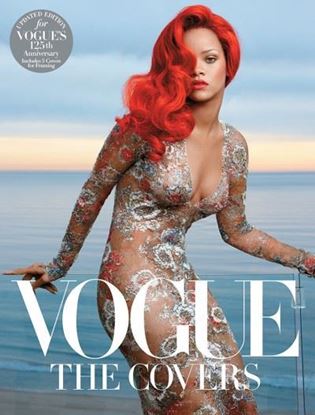
VOGUE. THE COVERS (UPDATED)
In this stunning updated edition of Vogue: The Covers, Vogue continues to pay tribute to its tradition of beauty and excellence with a compilation of even more spectacular cover art. In addition to featuring classic covers from the magazine’s 125-year history, this updated edition features every cover since 2010, with each cover displaying the magazine’s cutting-edge takes on style, fashion, and culture. Unforgettable new covers feature such celebrated subjects as Michelle Obama, Kim Kardashian-West and Kanye West, Lena Dunham, and more. This lavish, beautifully illustrated book even includes five new frameable Vogue cover prints that can be removed from the back of the book. Vogue: The Covers (Updated Edition) is a must-have for every fashion lover and collector.
4,800
3,700
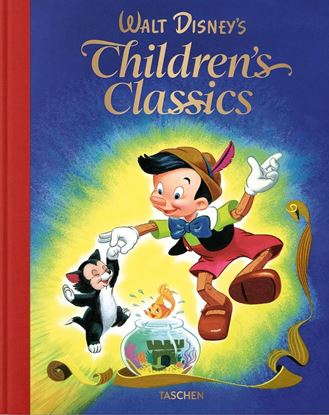
WALT DISNEYS CHILDRENS CLAS. 1937-1953
In Los Angeles during the 1940s and 1950s, Disney artists popularized illustration for children both on the big screen and in the pages of the Golden Books, a series of affordably priced children's books. These stories distilled the visual language of Disney films and brought historic and contemporary tales to life through compelling and inventive works of art. The selection of material in this book by 7 different artists reflects the variety of stylistic approaches that defined animation and illustration at the Disney studio.The book begins with an introduction to the artistic milieu that characterized the Disney studio, and each of the 10 stories is illustrated with complete original art and text. Biographies of the artists featured are included in the appendix. This hardcover anthology of vintage illustration will captivate adults and children alike.
3,700
3,700
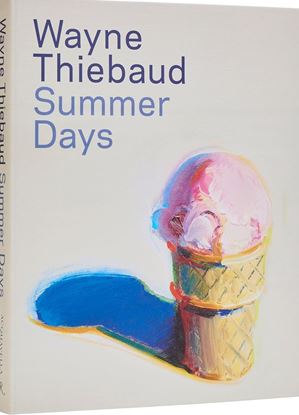
WAYNE THIEBAUD. SUMMER DAYS
This book tracks the career of the artist over six decades, revealing his retained interest in lighthearted subjects while casting them in traditional modes of painting. It celebrates the artist’s regard for the delights of the quintessentially American summer experience, from its sweet ice creams and chilled soda pops to beach games and barbecues, melting a gray winter into a fading memory. The catalogue features paintings from the 1960s through the 2000s of beach scenes, hot dogs, ice creams, beach balls, and bathing suits.
3,700