



3,600
TAYLOR SWIFT. LA HISTORIA DETRAS DE SUS.
Un recorrido fidedigno por la carrera de la cantante más influyente de toda una generación.
Un análisis de 248 temas y (pronto) veinte años de éxitos, como ningún otro libro lo ha hecho antes, en un repaso de la trayectoria de una joven apasionada por el country, ridiculizada en sus inicios por sus elecciones artísticas y que ha sabido transformar cada dificultad en un triunfo.
Desde sus modestos comienzos en Nashville, donde firmó su primer contrato a los quince años, hasta sus 11 Grammy Awards, pasando por las tormentas mediáticas a las que ha tenido que enfrentarse, Taylor Swift ha sabido imponer su voz y su estilo.
3,600

850
TAYLOR SWIFT... ESENCIAL
El ascenso meteórico de Taylor Swift al estrellato es la historia de este siglo.
Taylor ha dominado la industria musical desde sus inicios como sensación adolescente de la música country hasta convertirse en un fenómeno global del pop.
Es la primera mujer con cuatro álbumes en el Top Ten de la lista Billboard de forma simultánea, y ha recibido catorce Grammy Awards y cuarenta American Music Awards.
850

2,995
TEORIA DE LA ARQUITECTURA. (T.P.) (SB)E
Esencia estructural
Los tratados de arquitectura que dieron forma a nuestro mundo
Si alguna vez se ha preguntado en qué piensan los arquitectos cuando proyectan un edificio, le encantará saber que no falta material brillante de lectura para satisfacer su curiosidad. Aunque una incursión en los archivos de la biblioteca de su ciudad seguramente le resultará muy provechosa, no le proporcionará la satisfacción inmediata que obtendrá con esta obra.
2,995

1,450
TEORIA Y TECNICA CINEMATOGRAFICA
«En una fotografía que se hizo Eisenstein durante su estancia en Hollywood, en el marco de un colosal decorado barroco, aparece rodeado de cuatro grandes libros abiertos. Poco después de 1931 escribió sobre la fotografía, encima de cada uno de esos libros: pathos, éxtasis, movimiento expresivo del hombre y dramaturgia de la forma cinematográfica, y tituló el conjunto, a modo de epígrafe general de esa fotografía: Sobre lo que trabajo. La imagen tiene vagas resonancias neotestamentarias, como si aquellos libros fueran sus cuatro evangelios, y las cuatro inscripciones su credo artístico» (Juan José García-Noblejas). Con una escasa filmografía ocho películas y un magisterio incuestionable, plasmado en miles de páginas de toda suerte de publicaciones, Eisenstein ocupa un sitio de privilegio en la historia del cine mundial. Teoría y técnica cinematográficas constituye ya un clásico, imprescindible para los que, por profesión o por afición, se relacionan con el cine.
1,450
1,995
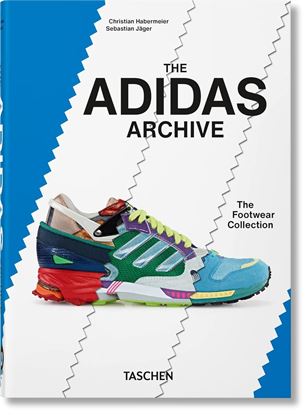
THE ADIDAS ARCHIVE. (45TH) (IE)
More than 100 years ago the brothers Adolf ("Adi") and Rudolf Dassler made their first pair of sports shoes. Hundreds of groundbreaking designs, epic moments, and star-studded collabs later, this book presents a visual review of the adidas shoe through almost 200 models.
To further develop and tailor his products to athletes’ specific needs, Dassler asked them to return their worn footwear when no longer needed, with all the shoes eventually ending up in his attic (to this day, many athletes return their shoes to adidas, often as a thank you after winning a title or breaking a world record). This collection now makes up the "adidas archive", one of the largest, if not the largest archive of any sports goods manufacturer in the world—which photographers Christian Habermeier and Sebastian Jäger have been visually documenting in extreme detail for years.
1,995
2,200
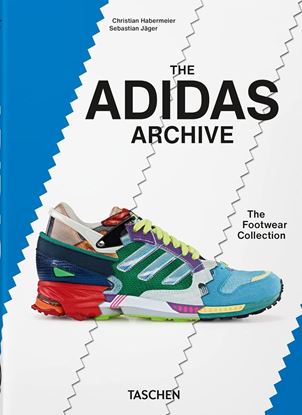
THE ADIDAS ARCHIVE. 45TH (INT)
More than 100 years ago the brothers Adolf ("Adi") and Rudolf Dassler made their first pair of sports shoes. Hundreds of groundbreaking designs, epic moments, and star-studded collabs later, this book presents a visual review of the adidas shoe through almost 200 models.To further develop and tailor his products to athletes’ specific needs, Dassler asked them to return their worn footwear when no longer needed, with all the shoes eventually ending up in his attic (to this day, many athletes return their shoes to adidas, often as a thank you after winning a title or breaking a world record). This collection now makes up the "adidas archive", one of the largest, if not the largest archive of any sports goods manufacturer in the world—which photographers Christian Habermeier and Sebastian Jäger have been visually documenting in extreme detail for years.Shot using the highest reproduction techniques, these images reveal the fine details as much as the stains, the tears, the repair tape, the grass smudges, the faded autographs. It’s all here, unmanipulated and captured in extremely high resolution—and with it comes to light the personal stories of each individual wearer. We encounter the shoes worn by West Germany’s football team during its “miraculous” 1954 World Cup win and those worn by Kathrine Switzer when she ran the Boston Marathon in 1967, before women were officially allowed to compete; custom models for stars from Madonna to Lionel Messi; collabs with the likes of Pharrell Williams, Raf Simons, Stella McCartneyor Yohji Yamamoto; as well as the brand’s trailblazing techniques and materials.Accompanied by expert texts, each picture tells us the why and the how, but also conveys the driving force behind adidas. What we discover goes beyond mere design; in the end, these are just shoes, worn out by their users who have loved them—but they are also first-hand witnesses of our sports, design, and culture history, from the beginnings of the Dassler brothers and the founding of adidas until today.
2,200