



1,995
SCANDINAVIAN DESIGN (45TH) (E)
Scandinavia is world famous for its inimitable, democratic designs which bridge the gap between crafts and industrial production, organic forms and everyday functionality. This all-you-need guide includes a detailed look at Scandinavian furniture, glass, ceramics, textiles, jewelry, metalware, and industrial design from 1900 to the present day, with in-depth entries on 125 designers and design-led companies.
Featured designers and designer-led companies include Verner Panton, Arne Jacobsen, Alvar Aalto, Timo Sarpaneva, Hans Wegner, Tapio Wirkkala, Stig Lindberg, Finn Juhl, Märta Måås-Fjetterström, Arnold Madsen, Barbro Nilsson, Fritz Hansen, Artek, Le Klint, Gustavsberg, Iittala, Fiskars, Orrefors, Royal Copenhagen, Holmegaard, Arabia, Marimekko, and Georg Jensen.
1,995

1,995
SEBA. CABINET OF NATURAL CUR.(45TH)(INT)
Gabinete de curiosidades naturales de Albertus Seba es una de las mejores obras de historia natural del siglo XVIII y sigue siendo uno de los ejemplares de esta disciplina más valiosos de todos los tiempos. Si bien era habitual que los científicos de su época coleccionaran especímenes naturales para sus investigaciones, el boticario de Ámsterdam Seba (1665-1736) sentía verdadera pasión por esta actividad. Su insólita colección de animales, plantas e insectos de todo el mundo le reportó fama internacional en su tiempo.
En 1731, después de varias décadas dedicado al coleccionismo, Seba encargó ilustraciones minuciosas y a menudo adornadas de cada espécimen. Con estos dibujos publicó un catálogo de cuatro volúmenes que reunía su colección completa con especies raras y exóticas, desde plantas hasta serpientes, ranas, cocodrilos, moluscos, corales, aves y mariposas, así como animales actualmente extinguidos.
1,995

1,995
SEBASTIAO SALGADO. GENESIS. 45TH ED
Un día como cualquier otro de 1970, Sebastião Salgado tomó por primera vez una cámara entre sus manos. Tenía entonces 26 años. Al mirar a través del visor tuvo una epifanía: de repente, la vida cobró sentido. A partir de aquel día (y pese a que tuvieron que pasar años de duro trabajo hasta que pudo ganarse la vida como fotógrafo), la cámara pasó a ser la herramienta a través de la cual interactuar con el mundo. Salgado, que «siempre ha preferido la paleta de claroscuros de las imágenes en blanco y negro», tomó muy pocas fotografías en color antes de renunciar por completo a este medio.
El fotógrafo Sebastião Salgado, que creció en una hacienda de Brasil, siente un profundo amor y respeto por la naturaleza; asimismo, es un hombre profundamente comprometido con la devastadora situación socioeconómica en la que, a menudo, se ven afectados los seres humanos. Entre los innumerables trabajos que Salgado ha producido durante su prestigiosa trayectoria, destacan tres proyectos de gran envergadura: Trabajadores (1993), que documenta la evanescente forma de vida de los obreros de todo el mundo, Éxodos (2000), un tributo a la emigración masiva provocada por la hambruna, los desastres naturales, el deterioro medioambiental y la presión demográfica; y esta nueva obra, GÉNESIS, que es el resultado de una épica expedición de ocho años para redescubrir montañas, desiertos, océanos, animales y pueblos que han eludido la impronta de la sociedad moderna: la tierra y la vida de un planeta aún virgen. «Alrededor del 46 % de la Tierra permanece en el estado en el que se hallaba en la época del Génesis —nos recuerda Salgado—. Debemos conservar lo existente.» El proyecto GÉNESIS, junto con el Instituto Terra, fundado por Lélia y Sebastião Salgado, se propone mostrar la belleza de nuestro planeta, revertir el daño que se le ha causado y conservarlo para el futuro.
1,995

800
SERIES QUE ESTAN CAMBIANDO NUESTRA VIDA
Una selección de las series que han marcado un hito y han cambiado el panorama audiovisual de los últimos años. Y con ellas algunas de las curiosidades más sosrprendentes de un género que parece augurar una larga y saludable vida.
800
4,200
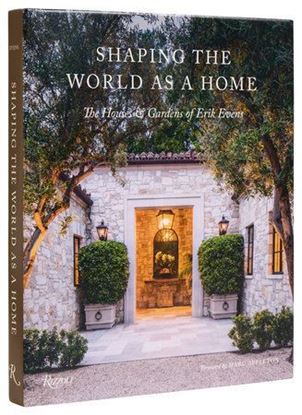
SHAPING THE WORLD AS A HOME
Evens has long been considered one of the country’s leading contemporary architects who aspires to create the complete living environment, in the same vein as Gil Schafer, Bobby McAlpine, Ray Booth, and Stanley Dixon. His inspiration is drawn from classical traditions and informed by contemporary indoor-outdoor life—in this case the indoor-outdoor life of California.
4,200
1,995
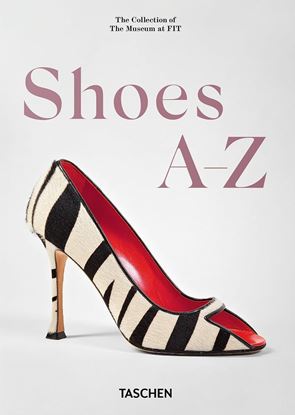
SHOES A-Z. 45TH ED.
Step inside one of the world’s most enviable closets to celebrate the empowering, sensual, playful, and practical shoe. Hundreds of groundbreaking designs, ephemera, and sketches are featured in this volume, a follow-up to Fashion Designers A–Z, from the most coveted labels such as Christian Louboutin, Manolo Blahník, Gucci, Roger Vivier, and more.
1,995