

1,995
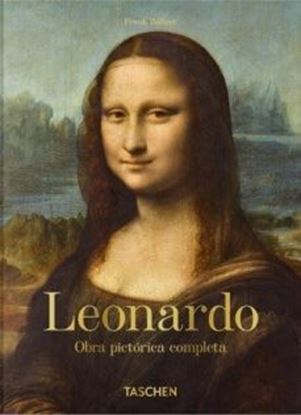
LEONARDO. OBRA PICTORICA (45TH) (E)
Uno de los seres humanos más brillantes jamás conocidos, Leonardo sigue siendo el genio del Renacimiento por excelencia. Compañero perfecto de la edición Leonardo da Vinci. Obra gráfica, este libro es un catálogo razonado de todas las obras maestras pictóricas del artista, tanto supervivientes como perdidas, desde la Mona Lisa a La última cena.
1,995
1,250
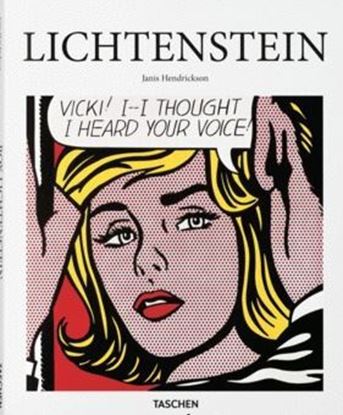
LICHTENSTEIN (ES)
El pintor estadounidense Roy Lichtenstein (1923-1997) impulsó una renovación artística en su país cuando irrumpió, en Nueva York a finales de la década de 1950, en una escena dominada por el expresionismo abstracto y definió un nuevo lenguaje creativo para una nueva era.
Con su innovadora utilización de técnicas de producción industrial e imágenes cotidianas y triviales, como dibujos animados, tiras cómicas y publicidad, Lichtenstein se sumó a artistas contemporáneos como Andy Warhol y James Rosenquist para retratar y satirizar a los medios de comunicación y la cultura consumista de Estados Unidos. En obras como Look, Mickey! (1961), Drowning Girl (1963) y Whaam! (1963) aplicó métodos de producción a gran escala, en concreto la técnica de puntos de Ben Day, para crear un efecto reverberación y su inconfundible estilo de puntos pixelados.
1,250

1,995
LINDBERGH, ON FASHION PHOTOGRAPHY (40TH
It was on a Malibu beach in 1988 that Peter Lindbergh shot the White Shirts series, images now known the world over. Simple yet seminal, the photographs introduced us to Linda Evangelista, Christy Turlington, Rachel Williams, Karen Alexander, Tatjana Patitz, and Estelle Lefébure. This marked the beginning of an era that redefined beauty, and Lindbergh would go on to alter the landscape of fashion photography for the decades that followed.
This edition gathers more than 300 images from forty years of Lindbergh’s career. It traces the German photographer’s cinematic inflections and humanist approach, which produced images at once seductive and introspective.
1,995
1,995
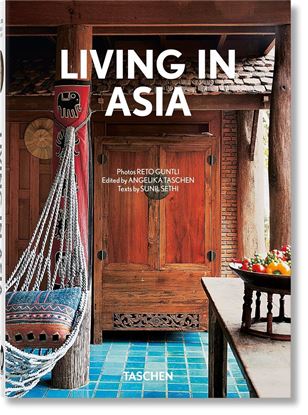
LIVING IN ASIA. (45TH) (INT)
Zen, soothing, mystical, meditative—words cannot do justice to Asia’s most beautiful interiors. Whether it’s a gilded Tibetan monastery, a plantation in Sri Lanka, or a private villa in Thailand, each of the havens featured in this book are remarkable not only in aesthetic, but also in spirit.
This showcase features about 40 exceptional locations across Tibet, Nepal, India, Sri Lanka, Myanmar, Thailand, Laos, Cambodia, Singapore, and Malaysia. Highlights include traditional Burmese stilt houses; the breathtaking Shiv Niwas Palace in India, visited by James Bond in Octopussy; Cambodian temples; a rice barge-turned houseboat in Thailand; the “Blue Mansion”, an magnificient, indigo-painted courtyard house featured in the film Indochine; a breathtaking garden designed by Sri Lankan architect Geoffrey Bawa; and many, many more.
1,995
1,995
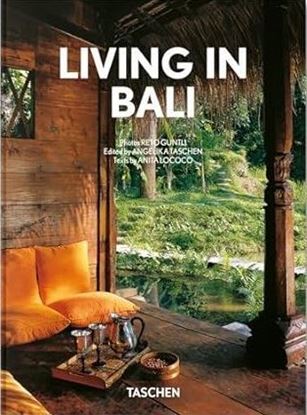
LIVING IN BALI (45TH) (INT)
Apreciada por los viajeros por su exuberancia, su paisaje tropical y el encanto de sus gentes, la isla de Bali es uno de los lugares más espléndidos de la Tierra. Espiritualidad y naturaleza forman parte integral de la vida cotidiana de los balineses, y uno puede entender fácilmente por qué la arquitectura tradicional de la isla encierra ese aire de paz inspirado en el entorno con el que, en ocasiones, incluso llega a fundirse.
1,995
1,995
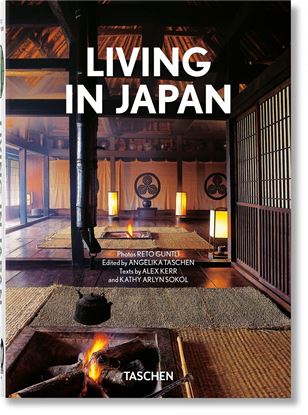
LIVING IN JAPAN (45TH) (INT)
So rich and unique is traditional Japanese architecture that it’s nearly impossible to improve upon. Yet contemporary Japanese designers and architects keep finding fresh approaches to refurbish and take inspiration from the ways of old. Whether it’s a pristinely preserved traditional house or a sleek modern apartment, the best Japanese homes share a love of cleverly designed spaces and warm materials like wood, brick, and bamboo.
From a thatched roof farmhouse occupied by a Zen priest to Tadao Ando’s experimental 4x4 House, from Shigeru Ban’s conceptual Shutter House to a beautiful domestic homage to bamboo, this elegant compendium traverses the multifaceted landscape of Japanese living today.
Enriched by 170 brand new, unpublished photographs, this edition takes you on breathtaking journey through the Land of the Rising Sun―complete with a list of addresses, should you wish to undertake this journey to Japan’s most fascinating inns and homes yourself. An insightful glossary of key terms, such as tatami, shoji, and noren, will also help you come to grips with all elements of Japan’s unique aesthetic of Eastern minimalism.
1,995