

1,650
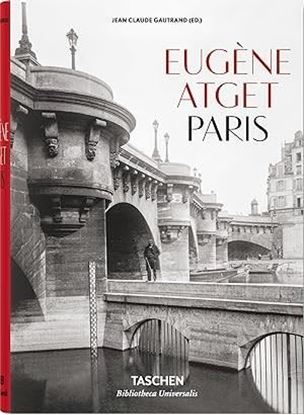
EUGENE ATGET, PARIS (BU) (INT)
A flâneur and photographer at once, Eugène Atget (1857–1927) was obsessed with walking the streets. After trying his hand at painting and acting, the native of Libourne turned to photography and moved to Paris. He supplied studies for painters, architects, and stage designers, but became enraptured by what he called “documents” of the city and its environs. His scenes rarely included people, but rather the architecture, landscape, and artifacts that made up the societal and cultural stage.
1,650
1,250
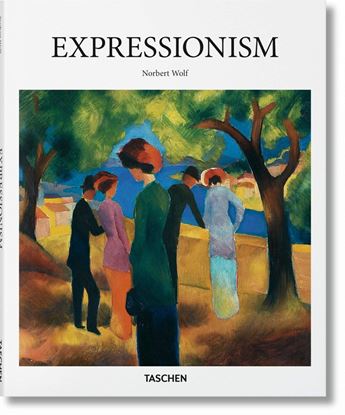
EXPRESSIONISM (BASIC ART EDITION) GB
Sharp angles, strange forms, lurid colors, and distorted perspectives are classic hallmarks of Expressionism, the twentieth century movement that prioritized emotion over objective reality. Though particularly present in Germany and Austria, the movement’s approach flourished internationally and is today hailed as one of the most influential shifts in art history.
With leading groups Die Brücke (The Bridge) and Der Blaue Reiter (The Blue Rider), and key players such as Wassily Kandinsky, Egon Schiele, and Emil Nolde, the Expressionists disowned Impressionism, which they regarded as “man lowered to the position of a gramophone record of the outer world”, to depict instead a raw and visceral experience of life as it was felt, rather than seen on the surface. Their paintings brim with emotive force, conveyed in particular through intense and non-naturalistic color palettes, loose brushwork, and thick textures.
1,250
1,995
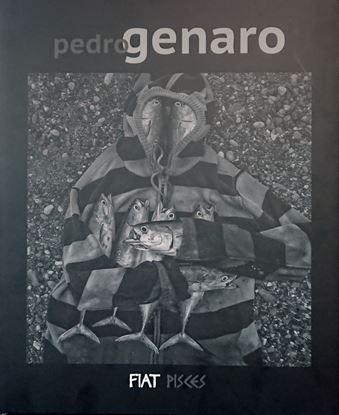
FIAT PISCES
Cuando se tiene la oprtunidad de asumir un proyecto de larga duración, se puede hurgar en lo mas...
1,995
3,300
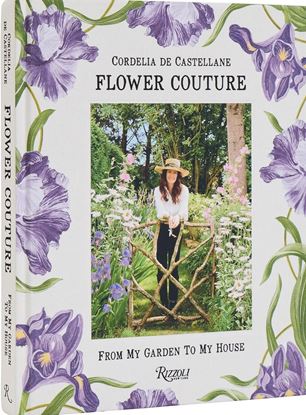
FLOWER COUTURE. FROM MY GARDEN TO MY
De Castellane turns her eyes to the gorgeous garden of her own private residence in the French countryside to offer insight into how she makes nature her muse. From delicate spring blossoms to vibrant summer bouquets starring on sun-kissed tables, autumnal herbariums, and enchanting winter fetes, each chapter is about a color of her favorite flowers and is complete with informative captions and texts uncovering her tips for living and entertaining à la française. De Castellane offers her recipes for bouquets and perfect tablescaping with examples from her own house: readers discover the journey of a flower from the garden to the tabletop. This book is a must-have guide on how to imbue every day with flair, beauty, and joie de vivre.
3,300
1,995
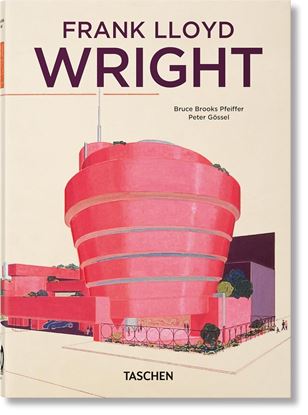
FRANK LLOYD WRIGHT (45TH) (GB)
A building by Frank Lloyd Wright (1867–1959) is at once unmistakably individual and evocative of an entire era. Notable for their exceptional harmony with their environment, as well as for their use of steel and glass to revolutionize the interface of indoor and outdoor, Wright’s designs helped announce the age of modernity, as much as they secured his place in the annals of architectural genius.
1,995

1,995
FREDERIC CHAUBIN. STONE AGE (45TH) (INT)
Follow photographer Frédéric Chaubin as he embarks on a unique, century-spanning journey through Europe. Featuring images of more than 200 buildings in 21 countries, Stone Age presents the history and architecture of the most dramatic medieval castles of the continent in an unprecedented collection.
Building on the success of his foray into Soviet design with CCCP, Chaubin once again documents the afterlife of highly rational structures that seem out of place in a modern-day world. Precursors of Brutalism, these castles value function over form and epitomize the raw materials and shapes that would go on to define so much of architectural history.
Shot on film with a Linhof view camera, the collection is the outcome of five years of travel and investigation. Complete with a practical map and explanatory essay, its castles tell the story of 400 years, unfolding through the feudal Middle Ages into the 15th century.
A photographic study of decay as much as endurance, Stone Age traces the history of some of these singular structures that continue to enchant their audiences today and that occupy a distinct, mystical place in our collective imagination.
1,995