



4,200
CULLMAN & KRAVIS: INTERIORS
Ceaseless in its pursuit to create “an alchemy of old and new,” the highly esteemed firm of Cullman & Kravis is renowned for its ability to fashion modern, cohesive, richly layered homes rooted in tradition and the respect for function and decoration. Utilizing their decades of experience, they build out rooms from the finest classical foundations, then infuse bold, stylish, and modish elements, mixing exquisite antiques with contemporary art to create truly dynamic spaces conceived to stand the test of time.
4,200
1,995
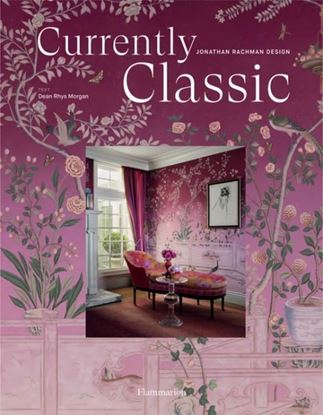
CURRENTLY CLASSIC
Jonathan Rachman's instantly classic designs come to life in vibrant and sumptuous color in this first monograph on the Sumatran-born, San Francisco-based interior decorator.
Interior decorator Jonathan Rachman opens the doors to his universe in this volume illustrating his eclectic, vividly colorful, and markedly refined style, through various projects undertaken for prestigious clients.
Born on the island of Sumatra in Indonesia, trained in Switzerland, and today based out of San Francisco, Rachman injects his projects with his own wide-reaching, worldly experience, his explorations into provincial flea markets, and his taste for textiles, leather goods, handicrafts, and art objects. In each of his designs, he combines the best materials from the East and the West, devising personalized plans for his clients and creating a timeless approach to interior design.
With a lively color palette, luxurious materials, and an incredible attention to detail, Rachman has received multiple awards and acclaim for his work from renowned publications such as Vogue, Elle, and Harper's Bazaar.
1,995
4,995
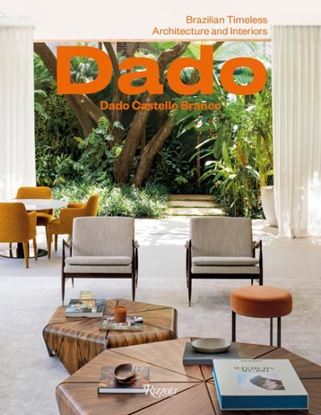
DADO CASTELLO BRANCO
Across Brazil and around the world, the elegant and meticulously crafted spaces designed by the firm Dado Castello Branco Arquitetura e Interiores are known for blending functionality with aesthetic allure. These places—residences, apartments, and villas, all in the signature style the firm has honed since its founding in São Paulo in the early 1990s—are brought to cinematic life by Brazilian artistic director and visual artist Ricardo van Steen. In these pages, van Steen stages a visual journey through four key elements of the company’s sophisticated design vision: He considers light as medium and muse, almost a character in the drama of each living, breathing space. He attends to matter, meaning the very materials of wood, copper, stone, fabric, and glass through which Dado’s designs achieve their richness and authenticity. He turns to the horizon, an essential feature that opens up perspectives and creates visual intrigue, serving as a metaphorical guide to the soul of the space. And he closes with art, paying tribute to Dado Castello Branco’s lifelong passion for the artists who inspire him and the art objects whose presence enhances these meticulous interiors. This richly illustrated publication brings us into these worlds of drama and elegance with exclusive photography and a profound consideration of the legacy of this legendary firm.
4,995
1,350
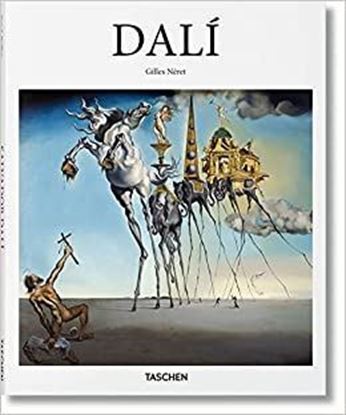
DALI (BA-ART) (GB)
Painter, sculptor, writer, filmmaker, and all-round showman Salvador Dalí (1904–1989) was one of the 20th century’s greatest exhibitionists and eccentrics. One of the first artists to apply the insights of Freudian psychoanalysis to art, he is celebrated in particular for his surrealist practice, with such conceits as the soft watches or the lobster telephone, now hallmarks of the surrealist enterprise, and of modernism in general.
Dalí frequently described his paintings as “hand-painted dream photographs.” Their tantalizing tension and interest resides in the precise rendering of bizarre elements and incongruous arrangements. As Dalí himself explained, he painted with “the most imperialist fury of precision,” but only “to systematize confusion and thus to help discredit completely the world of reality.”
Revolutionizing the role of the artist, the mustache-twirling Dalí also had the intuition to parade a controversial persona in the public arena and, through printmaking, fashion, advertising, writing, and film, to create work that could be consumed and not just contemplated on a gallery wall.
1,350
1,250
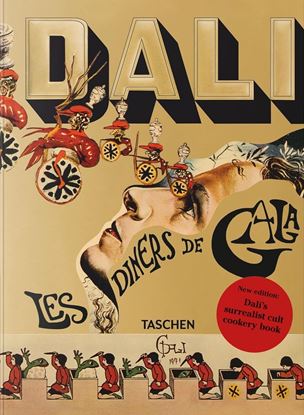
DALI. LES DINERS DE GALA (IC) (E)
“Les diners de Gala is uniquely devoted to the pleasures of taste … If you are a disciple of one of those calorie-counters who turn the joys of eating into a form of punishment, close this book at once; it is too lively, too aggressive, and far too impertinent for you.”—Salvador Dalí
Food and surrealism make perfect bedfellows: sex and lobsters, collage and cannibalism, the meeting of a swan and a toothbrush on a pastry case. The opulent dinner parties thrown by Salvador Dalí (1904–1989) and his wife and muse, Gala (1894–1982) were the stuff of legend. Luckily for us, Dalí published a cookbook in 1973, Les diners de Gala, which reveals some of the sensual, imaginative, and exotic elements that made up their notorious gatherings.
1,250

9,500
DAVID HOCKNEY. 220 FOR 2020 (TD) (INT)
From a small, picturesque farmhouse in the rich fields and meadows of Normandy, David Hockney followed the changing seasons across 2020 and into the new year. He used his iPad to spontaneously depict impressions of the landscape surrounding him, catching the first spring blossoms, the smell of summer, the saturated colors of autumn, and the stark shapes of dark branches in winter time. The 220 (plus four bonus) iPad paintings in this book are printed with six colors to match the richness of the artist’s vision. A short introduction by Hockney reveals how this planned project became a lifeline during the COVID lockdown, from which he spread his message of hope: “Remember they can’t cancel the spring.”
9,500