
1,250
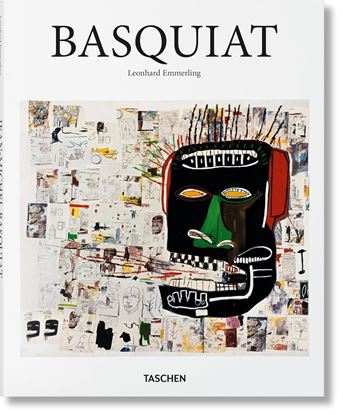
BASQUIAT (BA-ART) (ES)
An icon of 1980s New York, Jean-Michel Basquiat (1960–1988) first made his name under the graffiti tag “SAMO,” before establishing his studio practice and catapulting to fast fame at the age of 20. Although his career lasted barely a decade, he remains a cult figure of artistic social commentary, and a trailblazer in the mediation of graffiti and gallery art.Basquiat’s work drew upon diverse sources and media to create an original and urgent artistic vocabulary, biting with critique against structures of power and racism. His practice merged abstraction and figuration, poetry and painting, while his influences spanned Greek, Roman, and African art, French poetry, jazz,and the work of artistic contemporaries such as Andy Warhol and Cy Twombly. The results are vivid, visceral mixtures of words, African emblems, cartoonish figures, daubs of bold color, and beyond.This book presents Basquiat’s short but prolific career, his unique style, and his profound engagement with ever-relevant issues of integration and segregation, poverty and wealth.
1,250
1,250
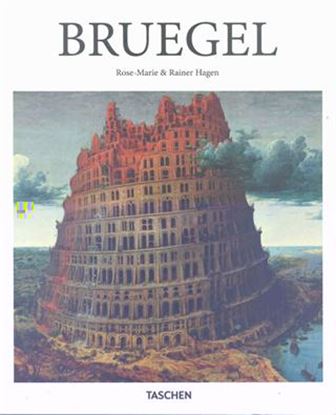
BRUEGEL (BA-ART) (ES)
El gran artista Pieter Bruegel el Viejo (h. 1526/31-1569) fue un pintor y dibujante dotado de una inventiva extraordinaria que hizo historia a través de sus hermosos paisajes, sus motivos religiosos, notables por su autenticidad, y su reflejo de la vida cotidiana. Bruegel destaca sobre todo por su representación del mundo campesino y la cultura popular, ganándose el apodo de Bruegel el Campesino. Ya fuera con su retrato de cazadores temblando en medio de la nieve o la escena de una feria bulliciosa, Bruegel elevó la agricultura, las fiestas, las reuniones y los juegos del mundo rural a la categoría de arte.
1,250
1,250
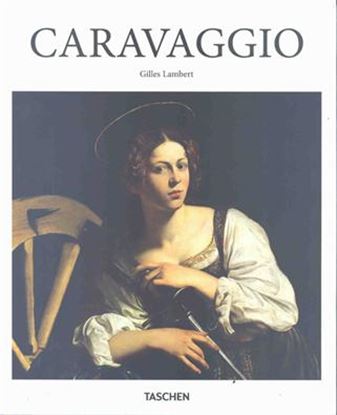
CARAVAGGIO (BA-ART) (ES)
Este libro reúne las obras más famosas y revolucionarias de Caravaggio, que explican por qué este artista está considerado uno de los pintores más importantes del Barroco y su influencia sobre artistas como Ribera, Vermeer, Rembrandt, Delacroix, Courbet y Manet.
1,250
1,250
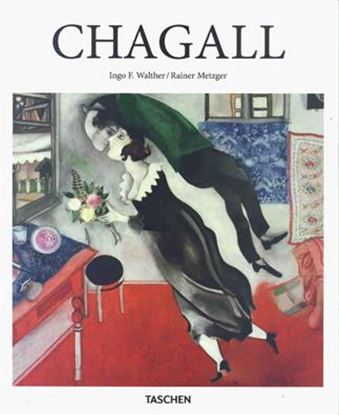
CHAGAL (BA-ART)
Los lienzos de Chagall se caracterizan por sus pinceladas vagas, sus colores profundos, su particular inclinación por el azul y un repertorio de tropos recurrentes entre los cuales figuran músicos, gallos, azoteas, flores y amantes que flotan en el aire. Rebosantes de encanto etéreo, sus composiciones solían estar plagadas de referencias complejas. En ellas combinó no solo los colores y las formas, sino también sus raíces judías con su experiencia parisiense, las expresiones de fe con los gestos de amor, los símbolos de esperanza con los testimonios del trauma.
1,250
3,995
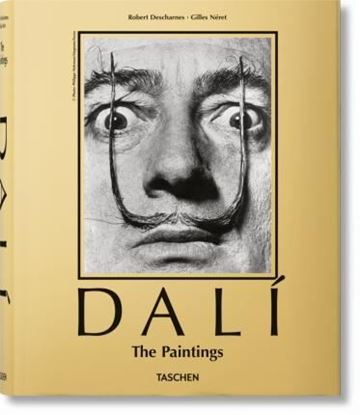
DALI (KL) (E)
At the age of six, Salvador Dalí (1904–1989) wanted to be a cook. At the age of seven, he wanted to be Napoleon. “Since then,” he later said, “my ambition has steadily grown, and my megalomania with it. Now I want only to be Salvador Dalí, I have no greater wish.” Throughout his life, Dalí was out to become Dalí: that is, one of the most significant artists and eccentrics of the 20th century.This weighty volume is the most complete study of Dalí’s painted works ever published. After years of research, Robert Descharnes and Gilles Néret located painted works by the master that had been inaccessible for years—so many, in fact, that almost half the featured illustrations appear in public for the first time in this book.More than a catalogue raisonné, this book contextualizes Dalí’s oeuvre and its meanings by examining contemporary documents, from writings and drawings to material from other facets of his work, including ballet, cinema, fashion, advertising, and objets d’art. Without these crutches to support analysis, the paintings would simply be a series of many images.The study is divided into two parts: the first examines Dalí’s beginnings as an unknown artist. We witness how the young Dalí deployed all the isms—Impressionism, Pointillism, Cubism, Fauvism, Purism and Futurism—with playful mastery, and how he would borrow from prevailing trends before ridiculing and abandoning them. The second part unveils the conclusions of Dalí’s lifelong inquiries, as well as the great legacy he left in works such as Tuna Fishing (1966/67) or Hallucinogenic Toreador (1970). It includes previously unpublished homages to Velázquez or Michelangelo, painted to the same end as the variations on past masters done by his contemporary, Picasso.We discover how, motivated by the desire to tease out the secrets of great works and become a Velázquez of the mid-20th century, Dalí became Dalí.
3,995
1,250
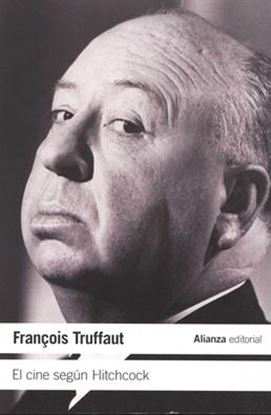
EL CINE SEGUN HITCHCOCK
Resultado de una larga conversación de cincuenta horas preparada sobre un cuestionario de quinientas preguntas, El cine según Hitchcock -aciaraba Francois Truffaut- es «un libro del que no me considero autor, sino tan sólo iniciador o, mejor aún, provocador». A lo largo de sus páginas, las circunstancias que rodearon el nacimiento de cada film, la elaboración de los guiones, los problemas de la puesta en escena y la valoración del resultado comercial de las películas son los ejes que articulan el apasionante diálogo que sostienen en él ambos realizadores.
1,250