1,995
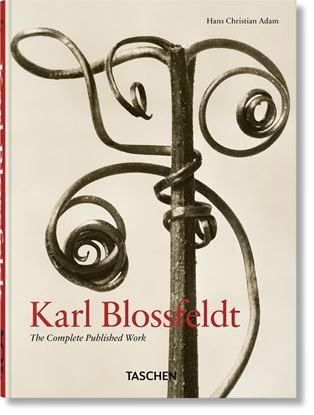
KARL BLOSSFELDT. THE COMPLETE PUBLISHED
German photography pioneer Karl Blossfeldt (1865–1932) photographed plants so beautifully, and with such originality, that his work transcends the medium itself. Over more than 30 years, he took thousands of photographs, revealing a formally rigorous talent whose precision and dedication bridge the 19th- and 20th-century worlds of image-making and bring a distinctly sculptural aspect to a firmly two-dimensional art form.
Beautifully but starkly composed against plain cardboard backgrounds, Blossfeldt’s images, relying on a northern light for their sense of volume, reveal nothing of the man but everything of themselves. They are still lifes, piercingly final statements on their subject, and have endured owing to their aesthetics and the ongoing fascination of students and photographers. Like their maker, they are quietly and lastingly effective.
1,995
1,995
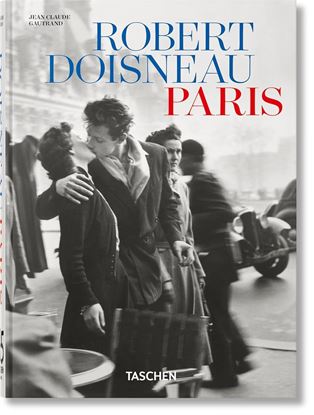
ROBERT DOISNEAU PARIS 45TH ED
As sensitive to human suffering as to the simple pleasures of life, Robert Doisneau is one of the most celebrated exponents of the Photographie humaniste that swept through the 1950s. Cherished in particular for his soulful portraits of Paris, Doisneau demonstrated a unique ability to find – and perfectly frame – charismatic characters, entertaining episodes, and fleeting moments of humor and affection.
A summation of a spectacular career, this extensive Doisneau collection includes all his best-loved images from Paris alongside many lesser-known compositions which equally rejoice in “the ordinary gestures of ordinary people in ordinary situations.” The many quotations from the photographer throughout the volume immerse the reader in Doisneau’s thoughts and give verbal expression to the sensitivity, warmth, and wit which characterize his pictures.
1,995
1,995
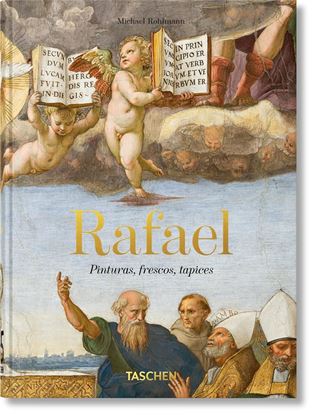
RAFAEL. PINTURAS, FRESCOS, TAPICES. 45TH
Junto con Miguel Ángel y Leonardo, Rafael (1483-1520) fue uno de los artistas más importantes del Alto Renacimiento italiano. En su breve vida realizó alrededor de 100 pinturas y nueve ciclos de frescos en los que abordó una variedad de temas inigualable: desde sensuales bellezas femeninas, mitos antiguos y retratos hasta ciclos históricos y escenas bíblicas. También realizó retablos y diseñó tapices para la Capilla Sixtina. Su Madonna Sixtina es una de las pinturas religiosas más reproducidas de todos los tiempos.
Rafael fue un aprendiz infatigable que no concebía la autocomplacencia ni se limitaba a repetir soluciones ya intentadas y comprobadas, sino que seguía únicamente el constante impulso hacia adelante de una imaginación inagotable. Transformó su tema central, la experiencia visionaria de la gracia divina, en una realidad pictórica visible. En especial su obra madura en Roma y sobre todo los frescos en el palacio Apostólico del Vaticano le aseguraron un lugar en la historia del arte. Admirado ya en vida como el artista más moderno de su tiempo, la maestría de Rafael allanaría el camino para el manierismo y la época barroca.
1,995
1,995
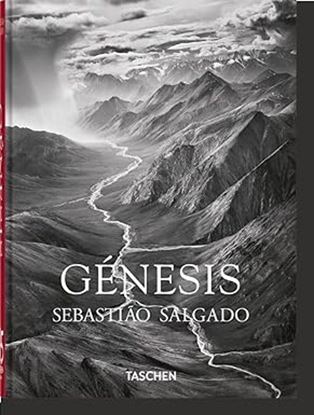
SEBASTIAO SALGADO. GENESIS. 45TH ED
Un día como cualquier otro de 1970, Sebastião Salgado tomó por primera vez una cámara entre sus manos. Tenía entonces 26 años. Al mirar a través del visor tuvo una epifanía: de repente, la vida cobró sentido. A partir de aquel día (y pese a que tuvieron que pasar años de duro trabajo hasta que pudo ganarse la vida como fotógrafo), la cámara pasó a ser la herramienta a través de la cual interactuar con el mundo. Salgado, que «siempre ha preferido la paleta de claroscuros de las imágenes en blanco y negro», tomó muy pocas fotografías en color antes de renunciar por completo a este medio.
El fotógrafo Sebastião Salgado, que creció en una hacienda de Brasil, siente un profundo amor y respeto por la naturaleza; asimismo, es un hombre profundamente comprometido con la devastadora situación socioeconómica en la que, a menudo, se ven afectados los seres humanos. Entre los innumerables trabajos que Salgado ha producido durante su prestigiosa trayectoria, destacan tres proyectos de gran envergadura: Trabajadores (1993), que documenta la evanescente forma de vida de los obreros de todo el mundo, Éxodos (2000), un tributo a la emigración masiva provocada por la hambruna, los desastres naturales, el deterioro medioambiental y la presión demográfica; y esta nueva obra, GÉNESIS, que es el resultado de una épica expedición de ocho años para redescubrir montañas, desiertos, océanos, animales y pueblos que han eludido la impronta de la sociedad moderna: la tierra y la vida de un planeta aún virgen. «Alrededor del 46 % de la Tierra permanece en el estado en el que se hallaba en la época del Génesis —nos recuerda Salgado—. Debemos conservar lo existente.» El proyecto GÉNESIS, junto con el Instituto Terra, fundado por Lélia y Sebastião Salgado, se propone mostrar la belleza de nuestro planeta, revertir el daño que se le ha causado y conservarlo para el futuro.
1,995

1,995
SNEAKER FREAKER. THE ULTIMATE SNEAKER B.
Back in 2002, Simon “Woody” Wood was dreaming up schemes to get free sneakers. Two weeks later, he was the proud owner of Sneaker Freaker and his life was never the same.
From its early roots as a punk-style fanzine to today’s super-slick print and online operations, the fiercely independent publication has documented every collab, custom, limited edition, retro reissue, Quickstrike, Hyperstrike, and Tier Zero sneaker released over the last 20 years.
Woody’s original premise that Sneaker Freaker would be “funny and serious, meaningful and pointless at the same time” has certainly been vindicated in The Ultimate Sneaker Book. With more than 500 pages jam-packed with insider knowledge and his own irreverent observations, the insane historical detail and otaku-level minutiae is beyond obsessive.
1,995
1,250
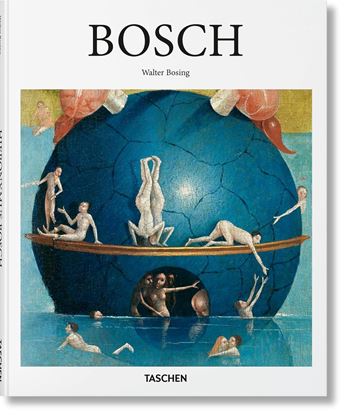
BOSCH (BA-ARCH)
As cryptic as they are compelling, the masterpieces of Hieronymus Bosch (c. 1450–1516) remain some of the most enduring enigmas of the art world. Their intricate, allegorical, and often startling content has captivated not only art historians, but also fashion designers, rock stars, writers, and punk rockers, as well as countless modern and contemporary artist successors.
Although rooted in the Old Netherlandish tradition, Bosch developed a highly subjective, richly suggestive style to render both the celestial bliss of heaven and the grotesque tortures of hell, most famously and meticulously excecuted in The Garden of Earthly Delights. Here, as in his other known works, his artistic language combined religious humility with a razor-sharp wit, often playing off pictorial versions of contemporary proverbs or figures of speech.
1,250
1,250
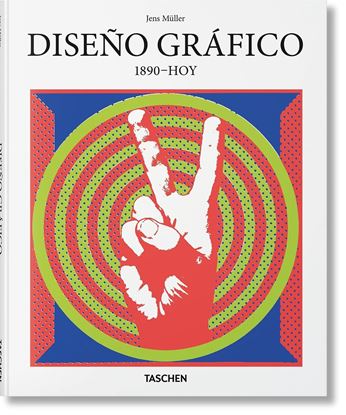
DISEÑO GRAFICO. 1890-HOY
A través de los turbulentos acontecimientos del último siglo y medio, el diseño gráfico ha destilado el espíritu de cada época con su síntesis vívida y ordenada de imagen e idea. Nos rodea en todo momento, ya sea en forma de embalajes minimalistas o de anuncios llenos de colorido, gráfica ambiental e interfaces elegantes: el diseño gráfico guarda relación tanto con el reflejo de las aspiraciones y los valores de la sociedad como con la transmisión de información.
Este vibrante compendio, que se publica ahora como parte de nuestra popular serie Basic Art, describe la evolución del diseño gráfico desde sus inicios en la década de 1890 hasta la actualidad. Con su amplio conocimiento de la disciplina, Jens Müller ha seleccionado cientos de ejemplos de todo el mundo, que se presentan organizados por décadas.
1,250
1,600
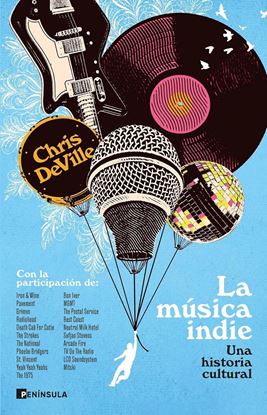
LA MUSICA INDIE. UNA HISTORIA CULTURAL
Fuera cual fuera tu puerta de entrada al indie rock, una vez dentro, escuchar esa música era como formar parte de un club secreto. En este libro, el periodista cultural Chris DeVille reconstruye la edad dorada del género, desde los primeros años dos mil hasta la década de 2010, antes de que el streaming cambiase la música para siempre.
De la mano de bandas como Arcade Fire, Radiohead o The 1975, DeVille viaja al pasado para rememorar momentos decisivos de la cultura pop que hicieron posible el auge del indie: los blogs musicales, las descargas en MP3 o la irrupción de series como The O.C. El resultado es un ensayo cultural que transciende a discos y bandas, que se pregunta cómo lo alternativo dejó de ser minoritario, quién decide lo que es cool y cómo una escena supuestamente underground dio forma a nuestras vidas.
1,600
1,450
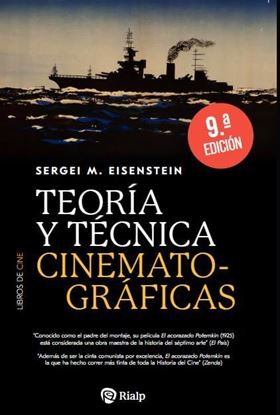
TEORIA Y TECNICA CINEMATOGRAFICA
«En una fotografía que se hizo Eisenstein durante su estancia en Hollywood, en el marco de un colosal decorado barroco, aparece rodeado de cuatro grandes libros abiertos. Poco después de 1931 escribió sobre la fotografía, encima de cada uno de esos libros: pathos, éxtasis, movimiento expresivo del hombre y dramaturgia de la forma cinematográfica, y tituló el conjunto, a modo de epígrafe general de esa fotografía: Sobre lo que trabajo. La imagen tiene vagas resonancias neotestamentarias, como si aquellos libros fueran sus cuatro evangelios, y las cuatro inscripciones su credo artístico» (Juan José García-Noblejas). Con una escasa filmografía ocho películas y un magisterio incuestionable, plasmado en miles de páginas de toda suerte de publicaciones, Eisenstein ocupa un sitio de privilegio en la historia del cine mundial. Teoría y técnica cinematográficas constituye ya un clásico, imprescindible para los que, por profesión o por afición, se relacionan con el cine.
1,450
1,750
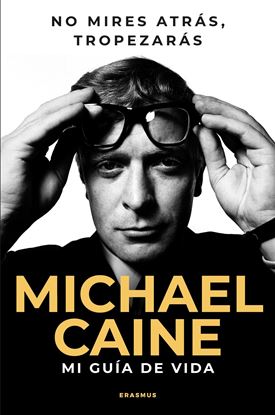
NO MIRES ATRAS, TROPEZARAS
SUS PELÍCULAS, SUS AMIGOS, SUS AFICIONES, SUS CONSEJOS Y SU RECETA PARA SER FELIZ A sus 90 años, Michael Caine, leyenda viva del cine, comparte con su inconfundible humor y sabiduría las lecciones que le ha dado una vida plena delante y detrás de las cámaras. Con ingenio y franqueza, habla de sus películas más queridas, de los amigos que marcaron su camino, de sus pasiones y del arte de mantenerse joven de espíritu. Siempre me hacen preguntas: los fans, otros actores, mis amigos, mis nietos.? Quieren saber cómo he conseguido durar tanto tiempo, cómo llevo la fama, por qué elegí ciertas películas, cuáles son mis favoritas, o qué actores admiro. También preguntan qué me motiva a seguir adelante, qué me hace levantarse cada mañana con ilusión y si alguna vez pienso jubilarme. (La respuesta es: ¡no!). Este libro es el testimonio optimista y luminoso de una vida bien vivida. Un canto a la alegría, al trabajo bien hecho y a la importancia de mantener la curiosidad, el humor y la esperanza —a cualquier edad.
1,750