


1,350
ARQUITECTURA PARA DUMMIES
¿Cuándo un edificio es solo una construcción y cuándo es arte? ¿Qué hace que nos emocionemos con la magnificencia del Taj Mahal, las pirámides de Giza o un rascacielos de Nueva York? ¿Qué secretos ocultan la cuidada sobriedad de Le Corbusier, la trascendencia espiritual de Miguel Ángel o la racionalidad clásica de Calícrates? Con un lenguaje alejado de tecnicismos, en esta guía encontrarás lo esencial de la arquitectura de todo el mundo para que puedas disfrutar todavía más esa apasionante faceta de la actividad humana.
1,350

2,995
ART FOR ALL. HISTORIA DEL ARTE
A comprehensive volume covering five seminal genres that shaped art, from the late 19th century and well into the 20th: Impressionism, Expressionism, Surrealism, Abstract Expressionism and Pop Art. Each approach was distinct in aesthetic and philosophy, but all had immediate impact and enduring influence. Many great names were indelibly associated with one, some explored several during their careers.
Impressionism, led by Monet and Renoir, focused on light and color, capturing fleeting moments and challenging academic art's rigidity. Expressionism was driven by artists like Edvard Munch and Wassily Kandinsky to convey raw emotion, distorting reality to reflect the angst of human experience. Surrealists, like Salvador Dalí and René Magritte, explored the subconscious, dreams, and the irrational, blending reality with fantasy across art, literature, and film. With Jackson Pollock and Mark Rothko leading the charge, Abstract Expressionism emphasized spontaneity and emotion through bold, gestural brushstrokes, and established New York as the post-war art world’s new Mecca.
2,995
2,700
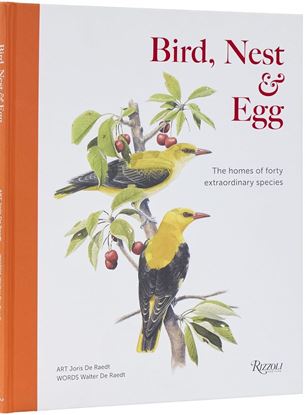
BIRD, NEST Y EGG. THE HOMES OF FORTY EXT
This book is meticulously designed as a large-format visual portfolio of the world’s most distinctive birds, whose nesting behavior and natural beauty are celebrated in beautifully detailed graphite and watercolor illustrations—all based on actual field studies. The exquisitely detailed bird, nest, and egg portraits are framed by details that include building techniques, materials, egg characteristics (shapes, colors, and number in a clutch), hatchlings and chicks, and parenting behaviors.
2,700
4,995
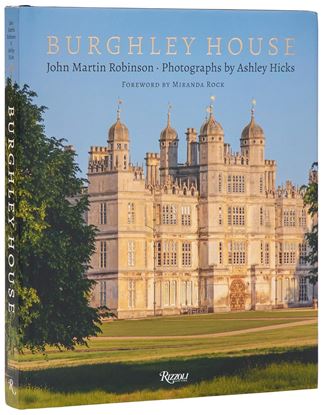
BURGHLEY HOUSE
Conceived by William Cecil, Lord High Treasurer to Queen Elizabeth I, and built between 1555 and 1587, Burghley House is a testament to the ambition and vision of the most powerful courtier of the first Elizabethan age.
Designed by Cecil himself, in consultation with the Dutch Renaissance architect and painter Hans Vredeman de Vries, the architecture and interiors at Burghley reflect a mix of contemporary fashionable influences. The house’s facades are each markedly different, with a striking and ornate Gothic gatehouse beneath a roofline of cupolas and obelisks, and with French and Italian styles visible in the windows and pilasters. And inside, where the State Rooms house remarkable collections of furniture, textiles, and Old Master paintings acquired over the centuries, Cecil’s Gothic-style Old Kitchen remains alongside the magnificent Renaissance staircase and Italianate fireplace in the Great Hall.
4,995
1,995
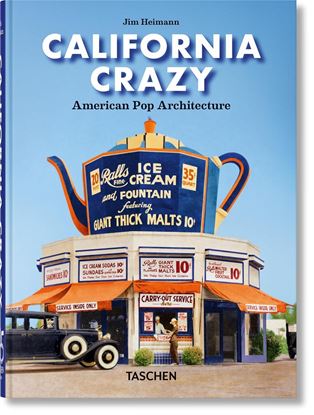
CALIFORNIA CRAZY. AMERICAN POP ARCHITEC
At the dawn of the automobile age, Americans’ predilection for wanderlust prompted a new wave of inventive entrepreneurs to cater to this new mode of transportation. Starting in the 1920s, attention-grabbing buildings began to appear that would draw in passing drivers for snacks, provisions, souvenirs, or a quick meal. The architectural establishment of the day dismissed these roadside buildings as “monstrosities”.
1,995

4,995
CAROLINA HERRERA
The sophistication and modern femininity of the American luxury fashion house Carolina Herrera is captured in this evocative and vividly hued volume photographed by Elizaveta Porodina. A collaborative series of images, the first chapter of which was created in 2020 over Zoom, feature Porodina’s signature timeless, painterly style—an effect achieved through complex lighting techniques and equipment— capture the brand’s evolving collections designed by Creative Director Wes Gordon in a dreamy, otherworldly light.
Inspired by dance, movement and the Herrera signature of bold color, this mesmerizing tome is flooded with photography of models and dancers in motion to reflect the vibrant energy and optimism of the clothing, arranged according to the chroma wheel instead of chronologically. Ethereal beauties, including singer and actress Dove Cameron, dancers Wendy Wheelan and Misa Kuranaga, and models Maggie Maurer and Mao Xing Xing, wear sweeping ballgowns, bold, saturated colors and dramatic silhouettes across ten collections designed by Wes Gordon over the past four years, capturing the fantastical universe of Beauty that is Carolina Herrera.
4,995