
995
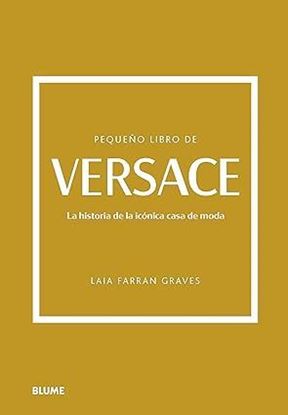
PEQUEÑO LIBRO DE VERSACE
Con más de 100 imágenes de momentos inolvidables sobre la alfombra roja, piezas clave e impresionantes desfiles, esta es una fabulosa colección de todo lo relacionado con Versace. La historia de la icónica casa de moda, desde su creación por Gianni Versace hasta su estatus de culto actual bajo el liderazgo de Donatella. Versace siempre ha estado a la vanguardia de la moda. Con un pie firmemente asentado en la cultura popular, la marca ha estado presente en algunos de los momentos más inolvidables de la modernidad. Desde el vestido imperdible de Elisabeth Hurley hasta la armadura en oro de Lil Nas X en la Gala del Met, y de la portada de Lady Diana en Harper's Bazaar hasta el vestido verde de Jennifer López, Versace refleja pasión, sensualidad y provocación. "No te dejes llevar por las tendencias. No permitas que la moda te posea; decide lo que eres, lo que quieres expresar con tu forma de vestir".
995
850
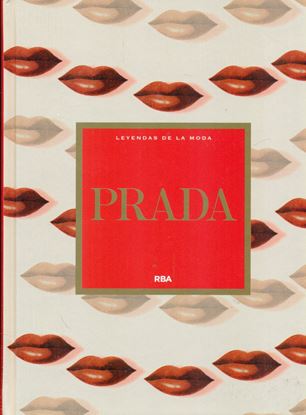
PRADA
En 1913, Fratelli Prada abrió sus puertas en Milán, convirtiéndose en la marroquinería favorita de la burguesía italiana. Décadas más tarde, cuando Miuccia Prada heredó la empresa
familiar comenzó a desafiar las convenciones ¿que rodeaban la moda del momento: hizo del
nailon un material lujoso, despojó a las mujeres de adornos superfluos y hasta se atrevió a jugar con lo que socialmente se consideraba feo. La diseñadora se alió con artistas contemporáneos y a través de sus desfiles habló de feminismo, de problemáticas sociales o del uso de la tecnología. Es una firma ligada indisolublemente a la cultura contemporánea.
850
2,350
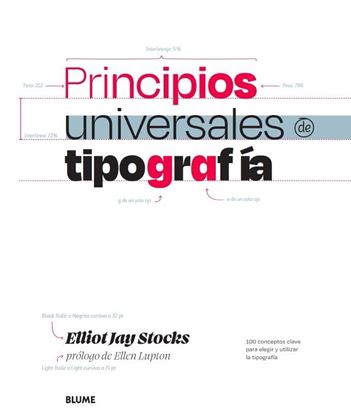
PRINCIPIOS UNIVERSALES DE TIPOGRAFIA
* 100 conceptos, teorías y reglas clave para elegir, combinar y utilizar la tipografía: un libro que lo equipará con todo lo que necesita para tomar las decisiones tipográficas más informadas en sus trabajos de diseño, sea cual sea el medio. * Profusamente ilustrado y de fácil comprensión, con explicaciones claras combinadas con ejemplos visuales, principios comprobados a lo largo de cientos de años de composición tipográfica y los últimos avances en tecnología de navegadores, fuentes web y fuentes variables. * El arte y la ciencia de la tipografía combinan ajustes sutiles en la longitud de las líneas con mezclas armoniosas de pesos y estilos, emparejamientos de tipografías seleccionados con esmero junto a un conjunto sólido de caracteres alternativos, y avances tecnológicos emocionantes con las realidades de las licencias tipográficas. Existen innumerables maneras en las que los diseñadores pueden mejorar la legibilidad de un texto e influir en cómo se entiende su mensaje; sin embargo, muchos diseñadores comunican mal sin siquiera darse cuenta. Información completa y autorizada junto a ejemplos didácticos e inspiradores en temas multidisciplinares para diseñadores, arquitectos, ingenieros, estudiantes y cualquiera que esté interesado en ampliar y enriquecer sus conocimientos en diseño.
2,350
1,600

995
ROLEX. HISTORIA DETRAS DE LA MODA
Esta es la fascinante historia de cómo la visión de un hombre culminó con la creación de la firma de relojes más prestigiosa del mundo.
Descubra cómo Hans Wilsdorf convirtió a Rolex, una pequeña empresa londinense, en el epicentro de la industria relojera suiza.
Con la mirada puesta en los diseños revolucionarios y las innovaciones de Rolex, el lector descubrirá cómo la marca estuvo presente tanto en la superación de récords de velocidad como en grandes producciones cinematográficas de Hollywood, además de acompañar a aventureros en sus expediciones hasta la coronación de la cumbre del Everest y a las profundidades de la fosa de las Marianas.
995
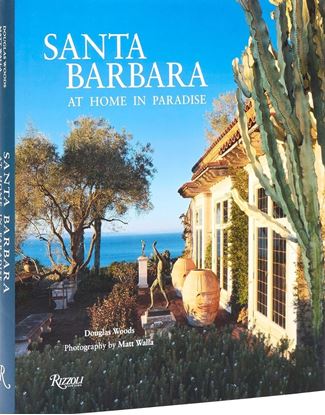
3,900
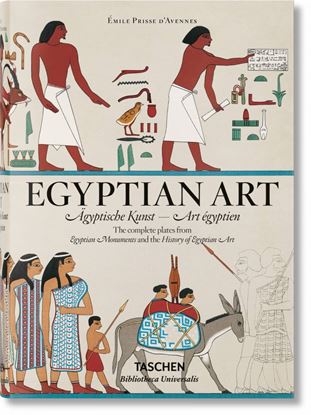
SANTA BARBARA. AT HOME IN PARADISE
With new photographs of houses steeped in the period revival tradition, from 1838 to today, not since Rizzoli’s Santa Barbara Style (2001) has a book so eloquently captured the distinctive splendor of this seaside paradise.
Known worldwide for the Santa Barbara style, the town epitomizes a type of building at once elegant and suffused with poetry. At its heart is the historic downtown, featuring white-washed Mediterranean-style stucco buildings with tile roofs and the iconic Santa Barbara Mission of 1786, whose austere beauty set the tone for all that followed. From its earliest days, the influence of this place has been felt and has since radiated across the sunbelt; it continues to be a model of emulation and inspiration. But it is the houses and the dream of living in Santa Barbara and its sister communities of Ojai, Carpinteria, Summerland, Goleta, and Montecito that casts the most profound spell.
3,900