

6,995
5,246
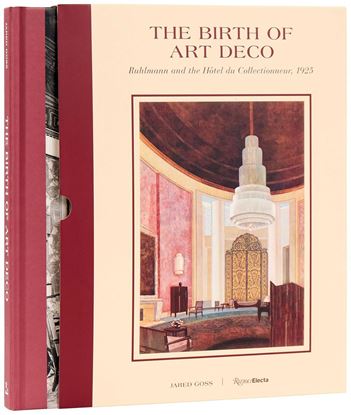
THE BIRTH OF ART DECO: RUHLMANN AND L H.
This book celebrates the 1925 Paris Exposition—at its centenary—a landmark event that shaped twentieth-century design and gave its name to Art Deco. The exposition dazzled over sixteen million visitors during its run, showcasing the pinnacle of French luxury goods and design innovation.
Renowned as the preeminent exponent of French Art Deco, Ruhlmann (1879–1933) was recognized for the aesthetic refinement, luxurious materials, and impeccable craftsmanship of his creations. Inspired by eighteenth-century pleasure pavilions, Ruhlmann’s pavilion, L’Hôtel du Collectionneur (The Town House of the Collector), was one of the most admired exhibits at the fair. Conceived as a modern-day Trianon, it was filled with his own sumptuous furnishings together with a meticulous selection of objets d’art by his contemporaries, including Edgar Brandt, Jean Dunand, and Jean Puiforcat.
6,995
5,246
1,600
1,200
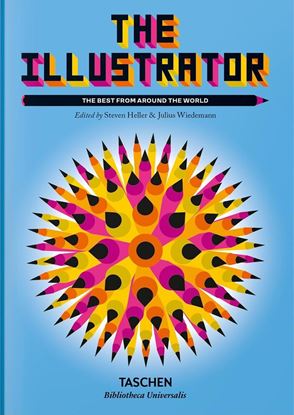
THE ILLUSTRATOR- ING.- BIB. UNIVERSALIS
For the last couple of years, Steven Heller and Julius Wiedemann have traced the latest developments in illustration around the globe—and for all those who thought digital heralded the end of an era, they’re here to set the record straight.
There were extraordinary eras before mass media changed our viewing habits, back in the day when illustration was the primary means of illuminating the word on paper—all the way to today, when we get our words and images on screens as small as a watch face. In this environment, today’s designers and artists are holding their own brilliantly. Illustration is more free and varied than ever, and it is ubiquitous in all kinds of media, from paper to screen to books, packages, clothing, cars, and restaurants.
1,600
1,200

1,650
1,238
THE PACKAGE DESIGN BOOK, VOL. 2 (BU)
The field of package design never ceases to expand and innovate, making it one of the most vibrant, competitive, and fast-evolving areas in design today. It is influenced by various factors such as the consumer’s requirements, the ever-increasing marketing demands, evolving environmental policies, and the practice of adhering to the context of cultural aspects and diversity.
1,650
1,238
3,500
2,625
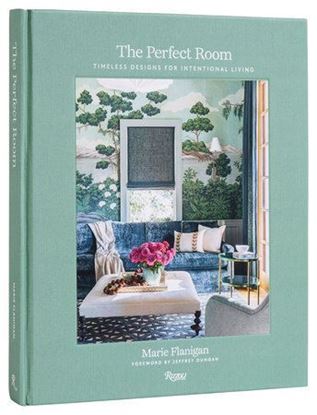
THE PERFECT ROOM
Flanigan looks at the home on a room-by-room basis, identifying common design challenges, offering solutions on how to create rooms that are aesthetically pleasing and efficient. With examples chosen from her work, she shares seasoned wisdom and creative approaches to every decision ranging from building materials and architectural details to furnishings, color, textiles, accessories, and organization.
3,500
2,625
2,700
2,025
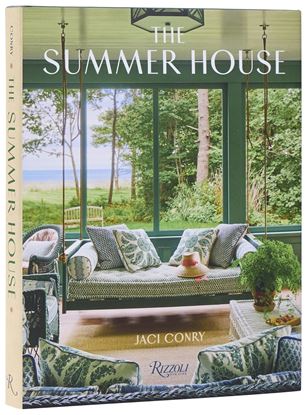
THE SUMMER HOUSE
Summer house: two words that evoke a sense of nostalgia, a touch of romance, a sigh of relaxation. The screen door open to the breeze off the lake. Sunbeams crossing a cheerfully painted wooden floor. A simple coverlet on a wood-framed bed, with views of the sea beyond. Mismatched porcelain piled high on open shelves in the kitchen. These houses are places of respite, where the boundaries between indoor and outdoor living are blurred, where their inhabitants can step away from the complexities and frenetic pace of daily existence, if only for a few days. They are havens where memories are made.
2,700
2,025

995
746
TIFFANY & CO. HISTORIA DETRAS DE LA MODA
Todo el mundo conoce las cajitas azules de Tiffany & Co., pero esta es la fascinante historia real que hay detrás del éxito de la marca de joyería más famosa del planeta.
Descubra cómo el valiente emprendedor Charles Lewis Tiffany, recién llegado a la ciudad de Nueva York en 1837, consiguió convertirse en el «Rey de los diamantes».
La historia de grandes ganancias y pérdidas, del descubrimiento de gemas inéditas y genios del diseño, y de la creación de algunas de las joyas más emblemáticas de nuestro tiempo, entre las que se incluye el clásico anillo de compromiso Tiffany.
995
746