

995
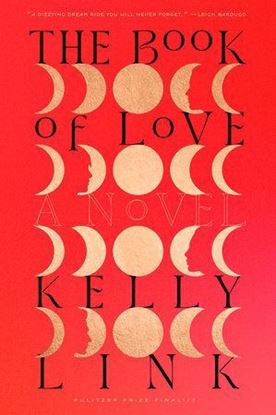
THE BOOK OF LOVE
The Book of Love showcases Kelly Link at the height of her powers, channeling potent magic and attuned to all varieties of love—from friendship to romance to abiding family ties—with her trademark compassion, wit, and literary derring-do. Readers will find joy (and a little terror) and an affirmation that love goes on, even when we cannot.
Late one night, Laura, Daniel, and Mo find themselves beneath the fluorescent lights of a high school classroom, almost a year after disappearing from their hometown, the small seaside community of Lovesend, Massachusetts, having long been presumed dead. Which, in fact, they are.
With them in the room is their previously unremarkable high school music teacher, who seems to know something about their disappearance—and what has brought them back again. Desperate to reclaim their lives, the three agree to the terms of the bargain their music teacher proposes. They will be given a series of magical tasks; while they undertake them, they may return to their families and friends, but they can tell no one where they’ve been. In the end, there will be winners and there will be losers.
995
995
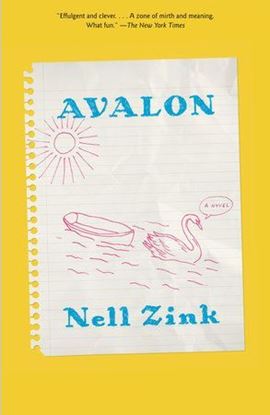
AVALON
Bran’s Southern California upbringing is anything but traditional. After her mother joins a Buddhist colony, Bran is raised by her “common-law stepfather” on Bourdon Farms—a plant nursery that doubles as a cover for a biker gang. She spends her days tending plants, slogging through high school, and imagining what life could be if she had been born to a different family.
And then she meets Peter, a beautiful, troubled, and charming train wreck of a college student from the East Coast, who launches his teaching career by initiating her into the world of literature and aesthetics. As the two begin a volatile and ostensibly doomed long-distance relationship, Bran searches for meaning in her own surroundings—attending disastrous dance recitals, house-sitting for strangers, and writing scripts for student films. She knows how to survive, but her happiness depends on learning to call the shots.
995
1,150
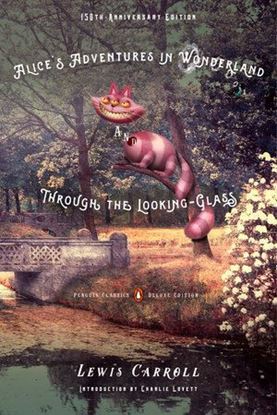
ALICE S ADVENTURE IN WONDERLA (DELUXE)
Original, experimental, and unparalleled in their charm, Lewis Carroll’s Alice’s Adventures in Wonderland and Through the Looking-Glass and What Alice Found There have enchanted readers for generations. The topsy-turvy dream worlds of Wonderland and the Looking-Glass realm are full of the unexpected: A baby turns into a pig, time stands still at a “mad” tea-party, and a chaotic game of chess turns seven-year-old Alice into a queen. These unforgettable tales—filled with sparkling wordplay and unbridled imagination—balance joyous nonsense with poignant moments of longing for the lost innocence of childhood.
1,150