


700
PERSUASION
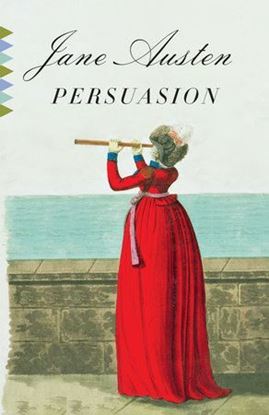
Anne Elliot, daughter of the snobbish Sir Walter Elliot, is woman of quiet charm and deep feelings. When she was nineteen she fell in love with—and was engaged to—a naval officer, the fearless and headstrong Captain Wentworth. But the young man had no fortune, and Anne allowed herself to be persuaded to give him up.
700
1,100
TOM JONES
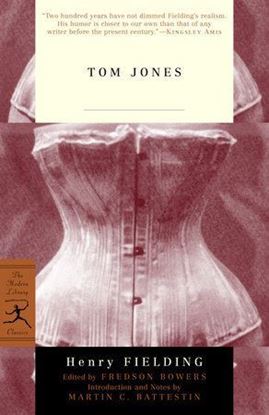
Tom, a foundling, is discovered one evening by the benevolent Squire Allworthy and his sister Bridget and brought up as a son in their household; when his sexual escapades and general misbehavior lead them to banish him, he sets out in search of both his fortune and his true identity. Amorous, high-spirited, and filled with what Fielding called “the glorious lust of doing good,” but with a tendency toward dissolution, Tom Jones is one of the first characters in English fiction whose human virtues and vices are realistically depicted. This edition is set from the text of the Wesleyan Edition of the Works of Henry Fielding.
1,100

550
THE SCARLET LETTER
At once retrospective and radically new, The Scarlet Letter portrays seventeenth-century Puritan New England, a time period irreversibly encoded in the American identity. Hawthorne built one of the most incisive and devastating human dramas ever written out of a community and its outcasts: Hester Prynne and Arthur Dimmesdale, one emblazoned with sin and the other distraught with hidden guilt; Pearl, a child born into ostracism; and Roger Chillingworth, driven to vengeance by hatred. Though these characters face a set of specifically troubling circumstances, their words and actions point to moral truths inherent in human affairs, independent of time and place.
550