
850
AVENTURAS EN EL TIEMPO
Cuando se tiene la posibilidad de cambiar la realidad, aparecen mundos insospechados y universos alternativos en los que la mente del creador no tiene límites. Eso, al menos, debieron pensar muchos de los protagonistas que aparecen en estas páginas. Guionistas, directores de películas o dibujantes de cómics que echaron a volar su imaginación para inventar futuros lejanos, universos paralelos o bucles temporales. Doc Pastor nos acerca a algunas de las mejores películas, cómics o videojuegos que tratan el género de los viajes en el tiempo, siguiendo la estela de su anterior libro y completándolo con nuevas y atrevidas propuestas que han sido abordadas por el cine y la literatura desde diferentes puntos de vista. Gracias al cine y a títulos como Frequency, Atrapado en el tiempo, Deadpool 2 o Lightyear hemos logrado llegar a los sitios más insospechados a través de paradojas temporales, bucles infinitos y viajeros que se trasladan en extraños vehículos. Pero la ficción también nos ha demostrado que no es indispensable una máquina para viajar, porque puede haber infinitas maneras de hacerlo, como el mítico DeLorean de la trilogía Regreso al futuro.
850
3,300
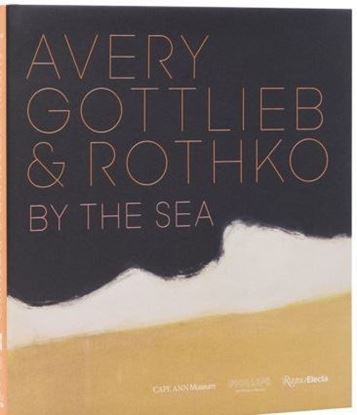
AVERY, GOTTLIEB, Y ROTHKO BY THE SEA
Milton Avery, a modernist painter at work in the first half of the twentieth century, is rarely linked to Adolph Gottlieb or Mark Rothko, who were twenty years younger and would become associated with the New York School in the 1950s. While Avery consistently drew inspiration from the visible world, Gottlieb and Rothko invented abstract pictorial languages all their own. Despite these differences, they were a tight-knit trio whose camaraderie and mutual love of the ocean had lasting impact on their work.
This pioneering volume traces their friendship from 1932, when they first summered together on Cape Ann, through the crystallization of their ideas in the 1940s, to the deeply centering decades that followed, when all three created the mature, independent painting styles for which they are best known. This late work, each in its own way, is indebted to the time the artists spent together on the rocky coast and sandy beaches of Cape Ann. Contributions by leading scholars and family members enrich this unique exploration of artistic friendship and its bearing on the work of three of the twentieth century’s most celebrated artists.
3,300

2,700
AZZEDINE ALAIA S DIOR COLLECTION
Alaïa was not only a renowned couturier but also a passionate fashion historian and an insatiable collector, an interest he cultivated starting in the 1960s. He gathered over 20,000 garments in his lifetime, from the birth of haute couture to pieces by contemporaries he admired.
This book showcases for the first time the priceless personal collection of Dior designs that Alaïa assembled over decades—pieces by Christian Dior as well as the artistic directors that followed him at the helm of the House. The collection is analyzed through chapters dedicated to the elements that awakened the curiosity of Alaïa’s collector genius: the construction of the dresses—their “architecture”; the enchanting multitude of the color tones and textures of the fabrics and materials; and the poetry of the names of Dior’s creations revealing the diversity of his sources of inspiration, such as Accacias, Astarté, Caracas, Chérie, Jardin anglais, Madrid, Marcel Pagnol, Rose des vents, or Tourbillon.. Illustrated by beautiful photographs of the dresses, historical archival images, drawings by Christian Dior, and collection charts detailing fabric samples and sketches, this book offers a fresh view of Alaïa’s influences and Dior’s history and will appeal to fashion lovers everywhere.
2,700
1,250
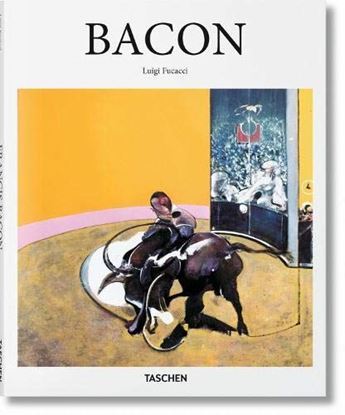
BACON (BASIC ART EDITION) GB
Largely self-taught as an artist, Francis Bacon (1909–1992) developed a unique ability to transform interior and unconscious impulses into figurative forms and intensely claustrophobic compositions.
Emerging into notoriety in the period following World War II, Bacon took the human body as his nominal subject, but a subject ravaged, distorted, and dismembered so as to writhe with intense emotional content. With flailing limbs, hollow voids, and tumurous growths, his gripping, often grotesque, portraits are as much reflections on the trials and the traumas of the human condition as they are character studies. These haunting forms were also among the first in art history to depict overtly homosexual themes.
1,250

1,350
BAUHAUS (BA-ARCH) (GB)
In a fleeting fourteen year period, sandwiched between two world wars, Germany’s Bauhaus school of art and design changed the face of modernity. With utopian ideals for the future, the school developed a pioneering fusion of fine art, craftsmanship, and technology to be applied across painting, sculpture, design, architecture, film, photography, textiles, ceramics, theatre, and installation.
As much an intense personal community as a publicly minded collective, the Bauhaus was first founded by Walter Gropius (1883–1969), and counted Josef and Anni Albers, Wassily Kandinsky, Paul Klee, Oskar Schlemmer, Gunta Stölzl, Marianne Brandt and Ludwig Mies van der Rohe among its members. Between its three successive locations in Weimar, Dessau and Berlin, the school fostered charismatic and creative exchange between teachers and students, all varied in their artistic styles and preferences, but united in their idealism and their interest in a “total” work of art across different practices and media.
1,350

3,995
BILTMORE HOUSE. THE INTERIORS AND COLLEC
George W. Vanderbilt created one of the greatest self-sustaining American country estates of the late nineteenth century—at its center, Richard Morris Hunt’s splendid 250-room French Renaissance château. Beyond the acres of gardens designed by Frederick Law Olmsted and the imposing castle exterior lies one of the most notable private collections of fine and decorative art in the nation. Discover the wealth of treasures assembled in the historic rooms: paintings by Monet, Renoir, Sargent, and Whistler; Renaissance tapestries; rare books; and exquisite French and English furniture.
3,995