2,995
THE AFRICAN DECOR EDIT
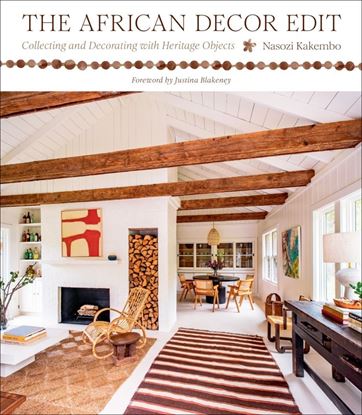
Travel with Ugandan American designer Nasozi Kakembo as she explores iconic home goods—from Malian mudcloth to Moroccan rugs—at the source and offers thoughtful guidance on collecting and decorating with traditional African treasures.
Through xN Studio, her interior design and product design practice, Nasozi collaborates with artisans throughout Africa, and hers is the rare design book that delves into the origin and meaning behind the furnishings and accessories shown. Each chapter presents artisans in their home countries, telling their stories in their own words.
The book also demonstrates the beauty of African decor, with a collection of inspiring, layered interiors from all over the world. The African Decor Edit is a must-have for all who admire African wares and wish to decorate with them in a thoughtful and ethical way.
The African Decor Edit is not only a gorgeous coffee table book, ready to display and gift. Thanks to author Nasozi Kakembo's deep knowledge of ethically sourced and aesthetically elevated heritage wares, it's a must-have volume for any collector of African home goods.
2,995
4,995
THE BATTLE OF VERSAILLE
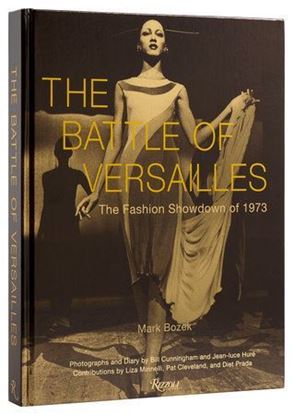
The first illustrated book to chronicle the dramatic 1973 face-off between French and American fashion designers, which left an indelible mark on the fashion industry, launched American designers as a global force, and challenged the cultural norms of the time.
Images from the archives of renowned fashion photojournalists Bill Cunningham and Jean-luce Huré—largely unseen until now—capture the behind-the-scenes drama, fabulous clothing, iconic models, and glamorous guests at this historic show.
4,995
6,995
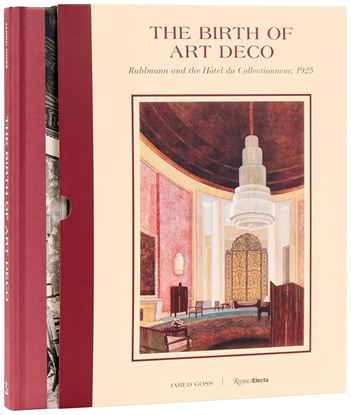
THE BIRTH OF ART DECO: RUHLMANN AND L H.
This book celebrates the 1925 Paris Exposition—at its centenary—a landmark event that shaped twentieth-century design and gave its name to Art Deco. The exposition dazzled over sixteen million visitors during its run, showcasing the pinnacle of French luxury goods and design innovation.
Renowned as the preeminent exponent of French Art Deco, Ruhlmann (1879–1933) was recognized for the aesthetic refinement, luxurious materials, and impeccable craftsmanship of his creations. Inspired by eighteenth-century pleasure pavilions, Ruhlmann’s pavilion, L’Hôtel du Collectionneur (The Town House of the Collector), was one of the most admired exhibits at the fair. Conceived as a modern-day Trianon, it was filled with his own sumptuous furnishings together with a meticulous selection of objets d’art by his contemporaries, including Edgar Brandt, Jean Dunand, and Jean Puiforcat.
6,995

2,200
THE BOOK OF MIRACLES. 45TH ED. (INT)
The Book of Miracles first surfaced several ago and is one of the most spectacular discoveries in the field of Renaissance art. The near-complete illustrated manuscript, created in Augsburg around 1550, is composed of 169 pages of large-format illustrations in gouache and watercolor, depicting wondrous and often eerie phenomena.
The mesmerizing images deal with both biblical and folkloric tales, depicting stories from the Old Testament and Book of Revelation as well as events that took place in the immediate present of the manuscript’s author. From shooting stars to swarms of locusts, terrifying monsters to fatal floods, page after page hypnotizes with visions alternately dreadful, spectacular, and even apocalyptic.
2,200
1,850
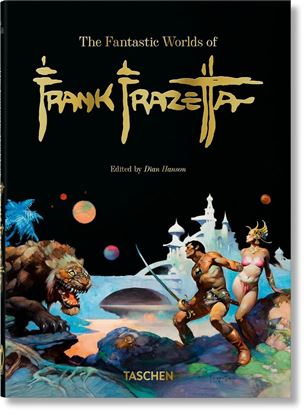
THE FANTASTIC WORLDS OF. F.F. (45) (INT)
Frank Frazetta has reigned as the undisputed king of fantasy art for 50 years, his fame only growing in the years since his death. With his paintings now breaking auction records (Egyptian Queen sold for $ 5.4 million in 2019) he’s long overdue for this ultimate monograph.Born to a Sicilian immigrant family in Brooklyn, 1928, Frazetta was a minor league athlete, petty criminal and serial seducer with movie star looks and phenomenal talent. He claimed to only make art when there was nothing better to do – he preferred playing baseball - yet began his professional career in comics at age 16. Strip work led him to the infamous EC Comics, then to oils for Tarzan and Conan pulp covers. Both characters were interpreted by many before him, but as he explained in the 1970s, “I’m very physical minded. In Brooklyn, I knew Conan, I knew guys just like him,” and he used this first-hand knowledge of muscle and macho to redefine fantasy heroes as more massive, more menacing, more testosterone-fueled than anything seen before. As counterbalance he created a new breed of women, nude as censorship allowed, with pixie faces and multiparous bodies: thick thighed, heavy buttocked, breasts cantilevered out to there, yet still, with their soft bellies and hints of cellulite, believably real. Add in the action, the creatures, the twilit worlds of haunting shadow and Frazetta’s art is addictive as potato chips.
1,850
2,995
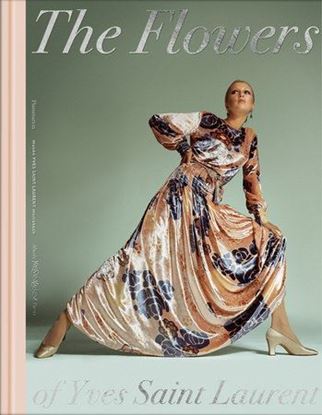
THE FLOWERS OF YVES SAINT LAURENT
Produced with the Yves Saint Laurent museums in Paris and Marrakech, this book examines how flowers served as the designer’s muse throughout his life and work.
Yves Saint Laurent’s passion for flowers and gardens was the source of endless inspiration. From a thousand and one rose buds to sprigs of lily of the valley, from an avalanche of bougainvillea to delicate poppy blooms, and from sheaves of wheat to majestic lilies, he metamorphosed nature in his creations. Employing flowers as a palette of patterns and techniques, he adorned women in floral appliqués, prints, and embroideries.
2,995