

2,200
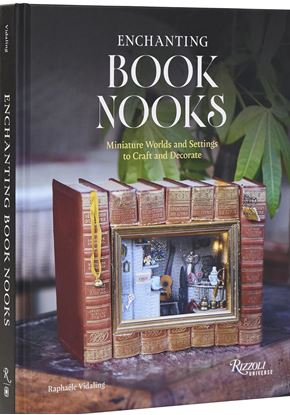
ENCHANTING BOOK NOOKS
Book nooks—miniature dioramas of charming spaces designed for display as a bookshelf insert or as a bookend for a book collection—have taken social media by storm. They have been widely embraced with great enthusiasm in the world of crafting and creative hobbies as they blend a love of coziness, a celebration of storytelling, and an interest in decor.
Fun to make and to collect, these miniature worlds are endearing and contemplative, drawing inspiration from scale modeling to create imagined universes, settings, and characters inspired by daily life, nature, favorite books, or movies. This volume blends how-to advice with inspirational imagery showcasing twenty approachable, easy-to-do, small-scale projects full of charm and enchantment.
2,200
1,995
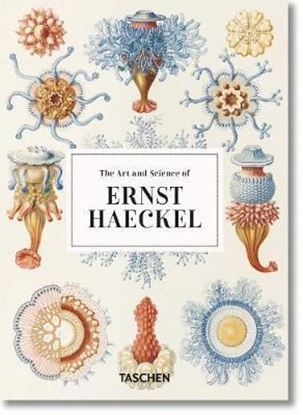
ERNST HAECKEL (45TH) (GB)
Ernst Haeckel (1834-1919) fue un biólogo, naturalista, evolucionista, artista, filósofo y doctor alemán, que dedicó su vida a la investigación de la flora y la fauna tanto de las cimas de las montañas más altas como de los océanos más profundos. Como ferviente partidario y estudioso de las teorías de la evolución de Darwin, denunció el dogma religioso, escribió tratados filosóficos, obtuvo un doctorado en zoología y acuñó términos científicos, ahora de uso común, como ecología, filo y célula madre.
El inmenso legado de Haeckel ha fascinado, desconcertado y polarizado a varias generaciones. Pero ¿cuál era la esencia de la extraordinaria labor de su vida? Al igual que su predecesor intelectual, Alexander von Humboldt, Haeckel no sólo buscaba descubrimientos nuevos sino también explicaciones.
1,995
1,995
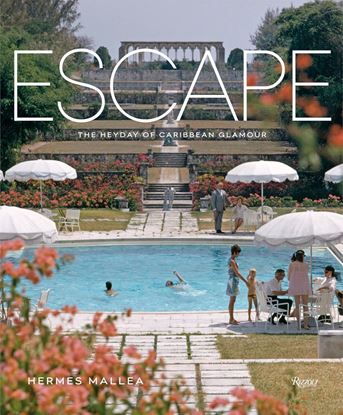
ESCAPE. THE HEYDAY OF CARIBBEAN GLAMOUR
A nostalgic celebration of the glamour of warm-weather destinations in the Caribbean and Florida, from the great estates of ambitious patrons to the most exclusive resorts of the mid-twentieth century. Through iconic photography capturing the cultural mood at the moment when social codes relaxed from the formality of the Gilded Age to the spontaneity of the jet-set era, Escape: The Heyday of Caribbean Glamour takes the reader inside a world of beach parties and costume balls set in lush tropical landscapes, of rarefied resorts and fairy-tale private estates. Escape presents the visual history of the region’s outstanding getaways, chronicling their transformations from pristine idyllic settings to personalized retreats where responsibilities could be left behind. Joseph Urban, Oliver Messel, Paul Rudolph, and other talented designers made these dreams reality, relying on regional design traditions to express the spirit of places like Antigua, Barbados, Cuba, and Jamaica, and sometimes inventing a new vernacular using fantasy imagery to emphasize the notion of escape from the pressures of urban living. Among these idealized settings blossomed the resort lifestyle of international celebrities, from Marjorie Merriweather Post to Babe Paley, Princess Margaret to David Bowie, whose escapades are spectacularly captured in these pages to make the region’s bygone glamour come alive.
1,995
1,995
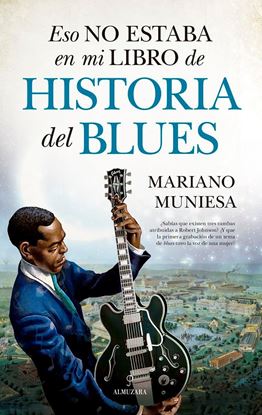
ESO NO ESTABA. HISTORIA DEL BLUES
¿Qué llevó a Bessie Smith a ser coronada como la Emperatriz del Blues? ¿Por qué Robert Johnson se convirtió en leyenda sin apenas dejar rastro? ¿Cómo influyeron las blueswomen en el nacimiento del rock, mucho antes de que se les reconociera? Aquí se ofrecen muchas respuestas, junto a un relato vibrante que ofrece una mirada distinta, sin prejuicios y con la intensidad de un auténtico devoto de esta música. Recorreremos, en ese fascinante viaje de ida y vuelta, los caminos que llevan desde el Delta del Misisipi a los Olympic Studios de Londres, o del Checkerboard Lounge de Chicago al Royal Albert Hall. Repletas de historias, rarezas y leyendas, estas líneas acompañan al lector en la ruta del alma negra del siglo XX. Mariano Muniesa, periodista musical de referencia, sostiene con pasión que este género es la madre de todas las músicas. Desde los Rolling Stones hasta ZZ Top, pasando por Cream, Led Zeppelin o Johnny Winter, es la savia que alimenta el árbol del rock. Todo ello sin olvidar hacer justicia a las mujeres del blues, cuyas voces han sido tan poderosas como silenciadas. Un recorrido ardiente desde los orígenes más remotos hasta su influencia en el presente, con contexto histórico, social y político. Pasen y lean
o mejor aún, pasen y sientan. Porque esto no solo se escucha: se bebe, se suda, se sangra, se siente, se respira. Abran estas páginas y compruébenlo. «Del algodón a Chicago vinieron las aguas de barro para convertirse en piedras rodantes en Inglaterra. En España, esa ola llegó en forma de rock and roll. Nadie la pudo parar. Eso es para mí el blues: una forma de arte que derribó la segregación racial en todo el mundo e inspiró a miles de jóvenes a pactar con el diablo en cruces de caminos y a alcanzar la libertad. Robert Johnson te espera, pero antes debes conocer toda la magia. Coge el mojo de la mano del gran Mariano Muniesa». Jorge Salán, guitarrista de Mägo de Oz y de The Majestic Jaywalkers
1,995
1,995
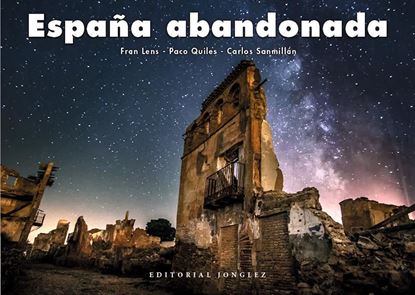
ESPAÑA ABANDONADA
Barren red deserts dotted with post-colonial ghost towns, dilapidated inner city factories, discarded country homesteads and a succession of dormant, soot-filled power stations are just a handful of the desolate, yet visually rich narratives that form part of the abandoned Australia landscape.
Digging beneath the sun-baked soil, Shane Thoms uncovers the modern ruins scattered over this arid continent and reveals a series of beautifully broken abodes hiding in the crevices of the Great Southern Land.
Whispering of both long-gone happy family moments and human darkness, of working lives and the everyday pursuits of living, these atmospheric scenes allow us to reconstruct the stories of the past. Prompting conversations about a growing, diverse country with a complicated history, these abandoned places both connect as well as contrast the past and the present and chronicle the hidden remnants of the evolving Australian story.
1,995
1,400
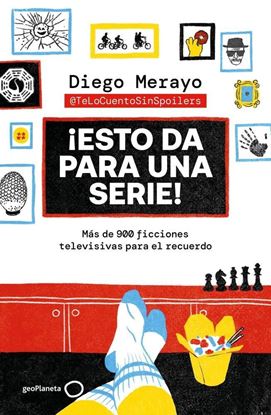
ESTO DA PARA UNA SERIE
¿Cuántas veces has dicho «esto da para una serie»? ¿Y si la mejor serie fuera la vida misma? ¡Ahora tienes el libro que lo demuestra! Más de 900 títulos, cientos de emociones compartidas y una certeza: esto da para una serie.
Desde aventuras adolescentes sobre bicis llenas de barro hasta culebrones sentimentales dignos de telenovela, pasando por momentos laborales tan surrealistas como los de The Office o reuniones de vecinos más tensas que un capítulo de Aquí no hay quien viva. La vida —la tuya y la de todos— está hecha de escenas que parecen sacadas de una ficción. Porque a veces lo cotidiano se convierte en comedia, en drama, en thriller o en romance... y todo cabe en el mismo capítulo.
1,400