
1,250
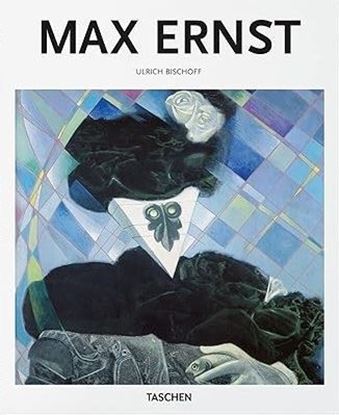
MAX ERNST (BA-ART) (E)
Max Ernst (1891-1976) transformó todo lo que tocó con una originalidad artística sin igual. Se convirtió en una de las figuras más importantes del dadaísmo y del surrealismo que ensanchó las fronteras del arte y rompió con la visión limitada de la cultura de su tiempo. Impulsado por la reacción a los horrores de la Primera Guerra Mundial, se convirtió en un pionero del movimiento dadaísta. La cancelación de la famosa exposición dadá en Colonia por “obscenidad” llevó a Ernst a pasar el resto de su vida en París, donde entró en contacto con los surrealistas.Por encima de todo, Ernst destaca por la variedad de estilos y técnicas que empleó. Su obra abarca desde la pintura, el dibujo y la escultura, pasando por textos y escenografías, hasta novelas de collage y el desarrollo de su propia técnica de frottage. Durante la Segunda Guerra Mundial, Ernst, como muchos de sus colegas, se convirtió en un “extranjero indeseable” y se vio obligado a emigrar, aunque regresó a Francia después de la guerra. Siguió desarrollando una carrera que abarcó décadas, y en 1954 recibió el Gran Premio de Pintura en la Bienal de Venecia.Este libro es un viaje por la magia, la intensidad y la fantasía. Es una puerta de entrada a la mente y el mundo complejo de Max Ernst.
1,250
1,450
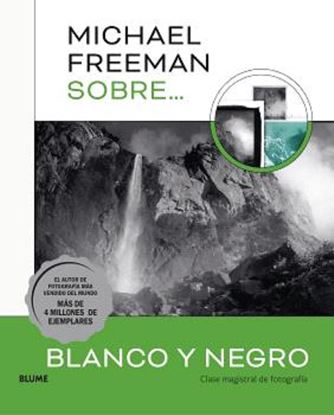
MICHAEL FREEMAN SOBRE BLANCO Y NEGRO
El autor superventas Michael Freeman aporta sus años de experiencia al estudio del estilo más perdurable y lleva la teoría y la práctica de este género clásico a la época moderna. En esta exhaustiva guía sobre la imagen en blanco y negro, Freeman estimula la creatividad personal y explica la práctica fotográfica de un modo comprensible y, por encima de todo, útil y práctico. La fotografía en blanco y negro al día, para informar e inspirar tanto a los puristas como a los nuevos practicantes de este género. La fotografía en blanco y negro no es solo la expresión más pura del proceso de creación de imágenes, sino también un camino esencial hacia una mejor comprensión de los principios fotográficos. Este libro explica cómo visualizar el mundo en blanco y negro mientras se captan imágenes y a desarrollar un instinto para poner en práctica la dinámica de la fotografía en blanco y negro.
1,450
1,100
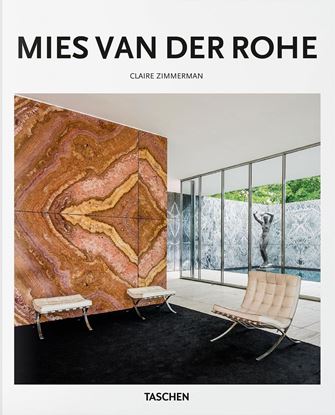
MIES VAN DER ROHE- BASIC ART
Famed for his motto “less is more,” Ludwig Mies van der Rohe (1886–1969) was one of the founding fathers of modern architecture and a hotly-debated tastemaker of twentieth-century aesthetics and urban experience.Mies van der Rohe’s philosophy was one of underlying truth in pure forms and proportions. With the help of contemporary technological and material developments, he sought a stripped-down purity to architecture, showcased by the likes of the Seagram Building and Farnsworth House. Some spoke out against this stark approach as the precursor to bland, generic cityscapes. Others cite Mies van der Rohe as the ultimate master of an abidingly elegant essence.This book presents more than 20 of Mies van der Rohe’s projects from the period 1906–1967 to introduce his groundbreaking practise and influence in both America and Europe.
1,100
950
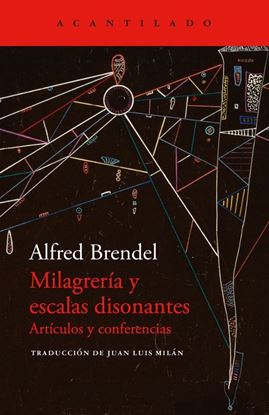
MILAGRERIA Y ESCALAS DISONANTES
La expresividad y la sensibilidad únicas de Alfred Brendel al piano parecen trasladarse a las páginas del presente libro, en que el gran intérprete ofrece una visión crítica de la práctica pianística, especialmente de algunas composiciones de Beethoven y Schubert, así como un iluminador repaso de sus grabaciones. Siguiendo el hilo invisible que une música, palabras e imágenes, Brendel, lector voraz y de una curiosidad inagotable, pone además la mirada en el cine, y nos ofrece lúcidas observaciones sobre el séptimo arte que revelan su comprensión del mundo y su conocimiento de sí mismo.
950
3,995
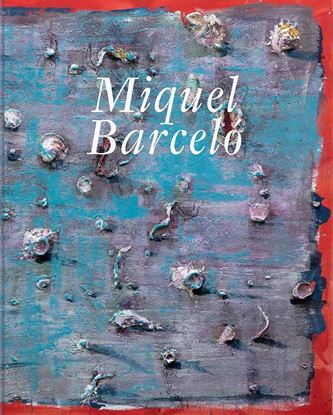
MIQUEL BARCELO
This book highlights the highly creative work of Barceló (b. 1957) with more than a dozen new paintings and a selection of recent ceramic objects. Born in Mallorca, Barceló’s mixed-media paintings, sculptures, and ceramics often feature relief-like textures and expressive forms. His fascination with the natural world has inspired his richly textured canvases that recall the earthly materiality of Catalan painters such as Antoni Tàpies and Joan Miró, as well as compositions that study the effects of light and the ever-changing colors of the sea.
The book includes a selection of new paintings from the corrida series, depicting the circular space of the bullfighting ring in vibrant colors. His ceramic practice includes his distinctive forms molded by hand then painted in vivid colors. Excerpts from Barceló’s recent autobiography, De la vida mía (Of My Life), bring together his notebooks, paintings, photos, stories, and objects from the artist’s various studios.
3,995
2,995
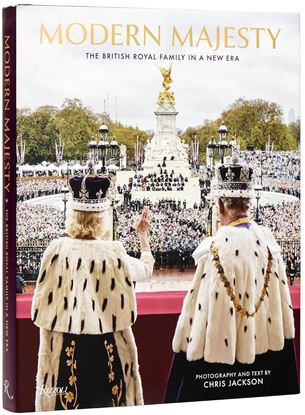
MODERN MAJESTY. THE BRISTISH ROYAL FAMIL
For nearly two decades, Jackson has held a singular position: Getty Images’ most trusted lens on the British monarchy. In Modern Majesty, he offers a compelling and beautifully curated portrait of a royal family reinventing itself in the twenty-first century. From King Charles III’s historic accession and the growing roles of the Prince and Princess of Wales, to poignant family moments and wide-ranging public duties, Jackson captures the intimate and iconic moments that define this new royal era.
Featuring exclusive photographs—many never before published—and compelling behind-the-scenes commentary, Modern Majesty illuminates the balance between tradition and transformation. Whether photographing historic state occasions, tender private gatherings, diplomatic visits, or charity initiatives, Jackson brings warmth, dignity, and insight to every image. His work is the product of more than twenty years embedded within royal life, marked by trust, access, and a rare eye for authenticity.
2,995