
1,750
1,400
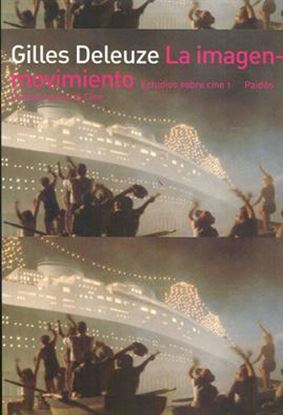
LA IMAGEN-MOVIMIENTO
El presente libro, que junto con su complementario La imagen-tiempo se convirtió automáticamente en un clásico cuando apareció allá en 1982, no pretende ser una historia del cine, y sin embargo acaba revolucionando el concepto mismo de historiografía cinematográfica. Tampoco se plantea explícitamente como una reconsideración de la teoría fílmica, y no obstante constituye una de las aportaciones mayores de las últimas décadas al respecto. Su intención es definir lo que Deleuze llama la "imagen-movimiento", que se podría identificar con el cine clásico pero también con un conjunto de directores que establecieron una determinada tipología conceptual e iconográfica. Los grandes autores del cine inventan y componen, cada uno a su manera, imágenes y signos que los hacen comparables no sólo con pintores, arquitectos y músicos, sino también con pensadores.
1,750
1,400
1,800
1,440
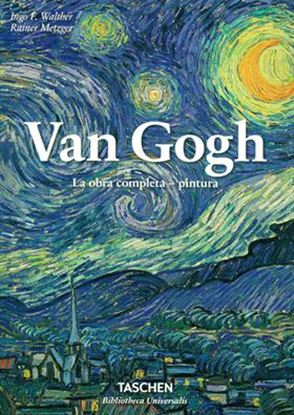
VAN GOGH (TD) (BU)
La historia de Vincent van Gogh es una de las más paradójicas de la historia del arte. En la actualidad se considera uno de los pintores más importantes de todos los tiempos, reconocido con exposiciones que son éxitos de taquilla, museos ensalzados por su obra y precios récord de decenas de millones de dólares en las subastas de sus obras.
Sin embargo, cuando estaba pintando los lienzos que más tarde se convertirían en codiciadas obras maestras, Van Gogh se enfrentaba no solo al desinterés de sus contemporáneos, sino también a devastadores ataques de locura, con episodios de depresión y de una ansiedad paralizadora que terminarían por arrebatarle la vida en 1890, cuando se suicidó con 37 años recién cumplidos.
Este exhaustivo estudio de Vincent van Gogh (1853-1890) incluye una monografía detallada de su vida y obra con una completa selección de 871 pinturas.
1,800
1,440
1,800
1,440
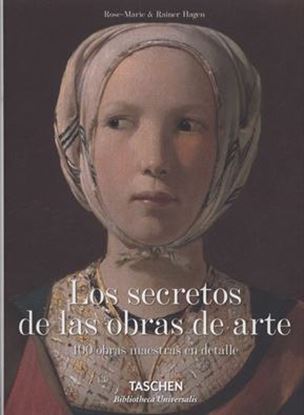
LOS SECRETOS DE LAS OBRAS DE ARTE (BU)
Esta obra resulta básica para entender las obras maestras de la historia del arte , ya que examina en detalle algunos de los lienzos más famosos del mundo para descubrir sus elementos más pequeños y sutiles, y todo lo que pueden llegar a revelar sobre una cultura, un lugar y una ´poca ya pasados.
1,800
1,440
1,800
1,440
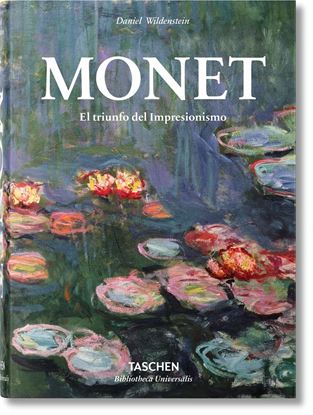
MONET HC (E) (BU)
No other artist, apart from J. M. W. Turner, tried as hard as Claude Monet (1840–1926) to capture light itself on canvas. Of all the Impressionists, it was the man Cézanne called “only an eye, but my God what an eye!” who stayed true to the principle of absolute fidelity to the visual sensation, painting directly from the object.
It could be said that Monet reinvented the possibilities of color. Whether it was through his early interest in Japanese prints, his time as a conscript in the dazzling light of Algeria, or his personal acquaintance with the major painters of the late 19th century, the work Monet produced throughout his long life would change forever the way we perceive both the natural world and its attendant phenomena. The high point of his explorations was the late series of water lilies, painted in his own garden at Giverny, which, in their approach toward almost total formlessness, are really the origin of abstract art.
This biography does full justice to this most remarkable and profoundly influential artist, and offers numerous reproductions and archive photos alongside a detailed and insightful commentary.
1,800
1,440

1,850
1,480
TOP SECRET. CINE Y ESPIONAJE
La primera obra consagrada a la fructífera relación entre el espionaje y el cine, las series de televisión o incluso los dibujos animados, desde la película Protea, dirigida por Victorin Jasset en 1913, a los trabajos de Fritz Lang, Alfred Hitchcock, Kathryn Bigelow, Brian de Palma, John Huston o Laura Poitras.
Organizado por orden alfabético, este libro ofrece además entrevistas en exclusiva con realizadores como Olivier Assayas, Arnaud Desplechin y Éric Rochant, o con la actriz y chica Bond Léa Seydoux, así como textos perfectamente documentados sobre la historia que ha entrelazado al cine con el espionaje.
Se muestran los resortes de la geopolítica mundial a través de James Bond, Jason Bourne, Argo, Misión Imposible, Shiri… o de series como Homeland, The Spy o Le Bureau des légendes [Oficina de infiltrados].
1,850
1,480
1,995
1,596
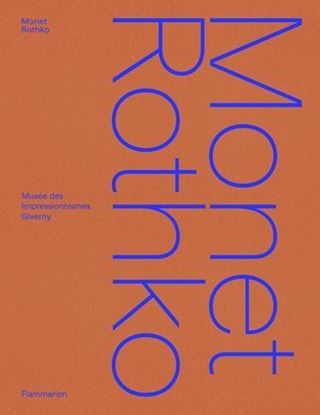
MONET-ROTHKO
This comparison of the works of Monet and Rothko provides exhilarating new insight on these pioneers of abstraction and masters of color.
Recent research on late impressionism has highlighted the surprising correspondences between the work of impressionist paragon Claude Monet and that of abstract painters such as Mark Rothko.
This book offers an unprecedented dialogue between the paintings of Monet and Rothko, two artists who explored the frontiers of abstraction. It explores the uncanny similarities between their works, painted almost half a century apart, as well as the significance of the differences between the master artists’ styles. Monet conveyed the immediacy of his impressions of nature, while Rothko plunged the viewer into the depths of colors that he superimposed and interwove.
And yet this book—originally conceived to accompany an exhibition at the Musée des Impressionnismes Giverny and illustrated with sixty chromatically organized reproductions—reveals an undeniable relationship between their pictorial universes, challenging the viewer’s perception of abstraction and modernity. This confrontation, contextualized through the analysis of renowned critics, sheds new light on the oeuvre of two of the greatest masters of painting and offers fresh insight into the essence of what makes their works so inherently original.
1,995
1,596