
NOVEDADES







1,350
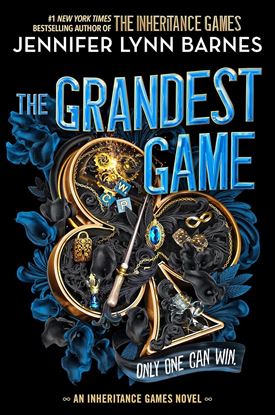
THE GRANDEST GAME (HC)
Seven tickets. An island of dreams. The chance of a lifetime.
Welcome to the Grandest Game, an annual competition run by billionaire Avery Grambs and the four infamous Hawthorne brothers, whose family fortune she inherited. Designed to give anyone a shot at fame and fortune, this year’s game requires one of seven golden tickets to enter. With millions on the line, those seven players will do whatever it takes to win.
Some of the players are in it for the money. Some for power. Some for reasons all their own. Every single one of them has secrets. Amidst it all is Grayson Hawthorne, tasked with a vital role in this year’s game. But as tensions rise and the mind-bending challenges push the players to their limits—physically, mentally, and emotionally—it soon becomes clear that not everyone is playing by the rules.
1,350
1,750
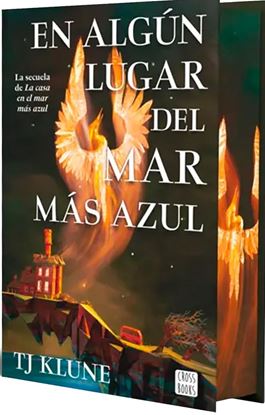
EN ALGUN LUGAR DEL MAR MAS AZUL
Arthur Parnassus es feliz con la vida que construyó sobre las cenizas de su pasado. Es el director de un orfanato en una peculiar y remota isla. Está acompañado por el amor de su vida, Linus Baker, que solía ser un funcionario del Departamento de Jóvenes Mágicos. Y juntos quieren adoptar a los seis niños mágicos y peligrosos que viven allí.
El trabajo es arduo, pero ama a estos niños con todo su corazón, y no va a permitir que sientan el dolor y la soledad que él sufrió viviendo de pequeño en esa misma isla.
Sin embargo, cuando es convocado para dar una declaración pública sobre su pasado, Arthur se verá en el ojo de un huracán que amenaza con destruir el futuro de todos los seres mágicos… y de su familia.
1,750
350
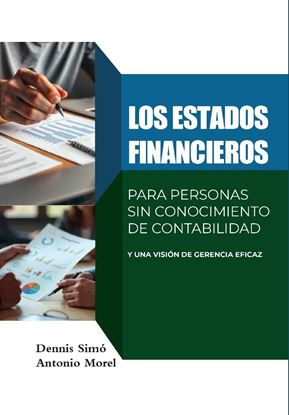
LOS ESTADOS FINANCIEROS
Este libro es una propuesta idónea para emprendedores, potenciales inversionistas, dueños de negocios, socios o accionistas, así como para funcionarios gubernamentales, digamos que, para toda persona que no se hayan formado en los principios, conocimientos y técnicas contables.
El libro procura que puedan entender los estados financieros y, sacar de ellos la mayor ventaja posible en la gestión de su propia finanza, así como de los recursos económicos dados a administrar a ellos por cuenta de terceros.
350
2,200
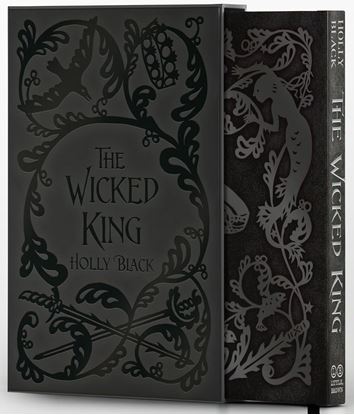
THE WICKED KING (2) COLLECTOR S EDITION
You must be strong enough to strike and strike and strike again without tiring.
The first lesson is to make yourself strong.
After the jaw-dropping revelation that Oak is the heir to Faerie, Jude must keep her younger brother safe. To do so, she has bound the wicked king, Cardan, to her, and made herself the power behind the throne. Navigating the constantly shifting political alliances of Faerie would be difficult enough if Cardan were easy to control. But he does everything in his power to humiliate and undermine her even as his fascination with her remains undiminished.
When it becomes all too clear that someone close to Jude means to betray her, threatening her own life and the lives of everyone she loves, Jude must uncover the traitor and fight her own complicated feelings for Cardan to maintain control as a mortal in a Faerie world.
2,200
4,995
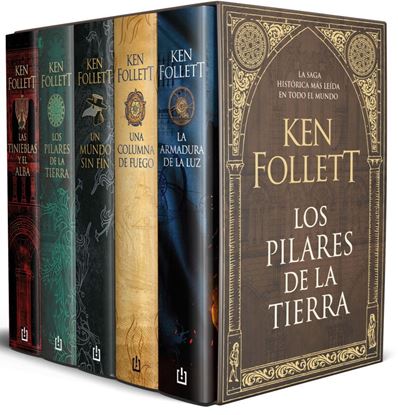
ESTUCHE SAGA PILARES DE LA TIERRA (BOL)
Las tinieblas y el alba te transporta al año 997, antes de que exista la catedral de Kingsbridge. Edgar, un joven constructor de barcos; Ragna, hija de un noble normando; y Aldred, monje idealista, se enfrentan a invasiones vikingas, ambiciones eclesiásticas despiadadas y los albores de una civilización aún en formación.
Los pilares de la Tierra se sitúa en el siglo XII en la Inglaterra de la Anarquía. En la villa de Kingsbridge, la construcción de una catedral gótica se convierte en el eje de una trama tejida con intrigas políticas, rivalidades sociales, pasiones amorosas y personajes tan grandes como la propia catedral. Un canto épico de poder, ambición, espiritualidad y arquitectura.
Un mundo sin fin regresa a Kingsbridge doscientos años después. La peste negra, la fragilidad de las instituciones, los cambios sociales, los descensos del poder feudal y los nuevos desafíos para los habitantes comunes y los nobles: Follett explora cómo el tiempo transforma no solo piedras, sino mentalidades, ciudades, ideales y supervivencia.
Una columna de fuego desplaza la acción al siglo XVI, en plena guerra de religiones. Ned Willard y Margery Fitzgerald viven tiempos de división religiosa, espionaje, conspiraciones políticas y amor desgarrado. Kingsbridge sigue siendo testigo, mientras Europa se desgarra entre fe, poder y revolución.
La armadura de la luz completa este viaje épico al llevarnos más adelante en la historia del mismo universo: nuevos personajes, nuevas amenazas, nuevos retos para Kingsbridge y su legado.
4,995
800
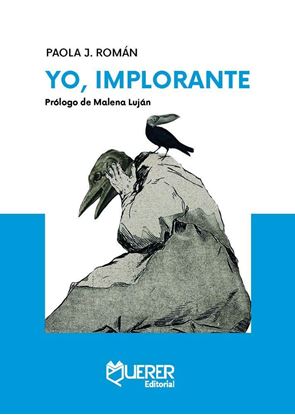
YO, IMPLORANTE
Hay quienes hacen poemas con el pensamiento o con las manos; otras, con todo lo que tienen o con todo lo que no tienen. Paola J. Román hizo estos poemas con lo que malditamente existe, con las horas extinguidas, mirando sus propios órganos. Este libro ocurre en el presente y reclama un aire que ya se ha ido; en el acto de la escritura, algo precede a nada: la apuesta es alta, y se apuesta con iguales partes de desdén y de fe.
— Malena Lujàn.
800