NOVEDADES









4,995
3,996
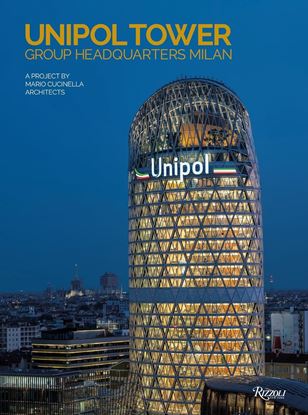
UNIPOL TOWER. GROUP HEADQUARTERS MILAN
A new tower stands out against the city skyline: the Unipol Tower designed by Mario Cucinella Architects, an internationally renowned architecture studio based in Milan and Bologna. The Unipol Tower is a 124-meter elliptical tower in the Porta Nuova area, in the heart of the city. Made from glass and steel, it has a glasshouse on the rooftop serving as a cultural venue. Commissioned by Unipol, the leading Italian insurance company, the tower looks beyond the corporate identity and headquarters of Unipol and has been acclaimed as one of the most advanced architecture projects ever created.
4,995
3,996
2,800
2,240
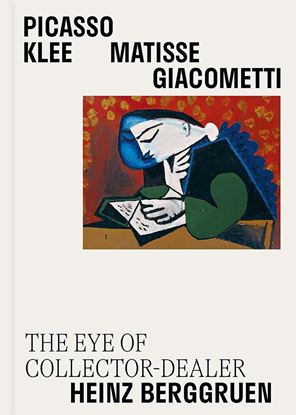
PICASSO, KLEE, MATISSE, GIACOMETTI
Berggruen’s collection with more than one hundred masterpieces is a spectacular tribute to the foresight of this major player in the Paris art market during the second half of the twentieth century. Born into a Jewish family in Berlin in 1914, he went into exile in California on the eve of World War II. He became art critic for the San Francisco Chronicle and assistant to the director of the San Francisco MoMA. After the war, Berggruen returned to Europe, first to Munich as a journalist, then to Paris where he worked at the UNESCO headquarters before becoming an art dealer specialized in the graphic arts of modern artists. He quickly established contacts within the Parisian cultural scene, meeting both the artists he would represent and the poets, dealers, historians, critics, and collectors of the day. Guided by his personal tastes, he built a solid collection of twentieth-century works now housed at the Neue Nationalgalerie Berlin spanning the careers of Pablo Picasso and Paul Klee and including Henri Matisse’s collages and Alberto Giacometti’s sculptures. The vast ensemble was exhibited at the Orangerie in 2024 and is housed in the Berggruen Museum/Neue Nationalgalerie Berlin.
2,800
2,240
3,700
2,960
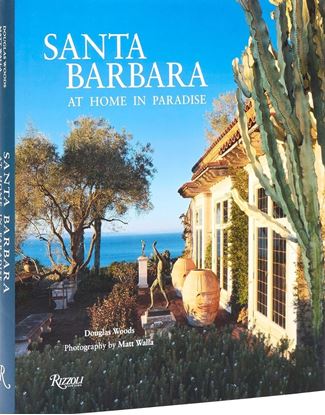
SANTA BARBARA. AT HOME IN PARADISE
With new photographs of houses steeped in the period revival tradition, from 1838 to today, not since Rizzoli’s Santa Barbara Style (2001) has a book so eloquently captured the distinctive splendor of this seaside paradise.
Known worldwide for the Santa Barbara style, the town epitomizes a type of building at once elegant and suffused with poetry. At its heart is the historic downtown, featuring white-washed Mediterranean-style stucco buildings with tile roofs and the iconic Santa Barbara Mission of 1786, whose austere beauty set the tone for all that followed. From its earliest days, the influence of this place has been felt and has since radiated across the sunbelt; it continues to be a model of emulation and inspiration. But it is the houses and the dream of living in Santa Barbara and its sister communities of Ojai, Carpinteria, Summerland, Goleta, and Montecito that casts the most profound spell.
3,700
2,960