



1,350
ROJO AMANECER EN LEPANTO
Año 1560. Alejandro Farnesio, príncipe de Parma, marcha a estudiar a la universidad de Alcalá de Henares, donde coincide con el príncipe Carlos, heredero a la corona de España, y don Juan de Austria, reconocido como hermano por Felipe II.
Es una mala época para España, amenazada por musulmanes rebeldes en Granada, herejes en Flandes e Inglaterra y, sobre todo, la lucha contra los turcos por el control del Mediterráneo.
Un tiempo apasionante que desemboca en la batalla de Lepanto, donde se dice que se derramó tanta sangre, que el mar se tiñó de rojo.
1,350

995
ROCA PELADA
Un comandante lucha por mantener a raya a sus hombres en la frontera de un paso de montaña, hasta que una bella capitán se hace cargo del puesto enemigo.
En un desértico altiplano a más de cinco mil metros de altitud, se asienta un paso de frontera entre dos países. Una tenue línea de piedras pintada de cal separa los márgenes. De un lado está Guardia de Frontera, un puesto al mando del teniente Costa, y del otro Ronda de Confines, con el teniente Gaitán como jefe. La soledad devora a Costa, muy celoso de su misión, pero irremediablemente aislado de sus hombres, y que tiene a Gaitán como íntimo enemigo. En apariencia, son dos soldados sirviendo cada uno a su país, pero en realidad están abandonados a ambos lados de la frontera, en un lugar gobernado por fuerzas muy distintas de las que pretenden dominar. Las tropas comercian entre sí, traficando con lo poco que poseen. Cuando se marche Gaitán, deseoso de dejar el altiplano, le sustituirá la capitán Vera Brower, una mujer atractiva cuya melena roja pondrá patas arriba la rutina del paso.
995
1,250
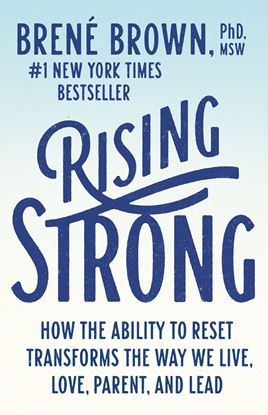
RISING STRONG
Social scientist Brené Brown has ignited a global conversation on courage, vulnerability, shame, and worthiness. Her pioneering work uncovered a profound truth: Vulnerability—the willingness to show up and be seen with no guarantee of outcome—is the only path to more love, belonging, creativity, and joy. But living a brave life is not always easy: We are, inevitably, going to stumble and fall.
It is the rise from falling that Brown takes as her subject in Rising Strong. As a grounded theory researcher, Brown has listened as a range of people—from leaders in Fortune 500 companies and the military to artists, couples in long-term relationships, teachers, and parents—shared their stories of being brave, falling, and getting back up. She asked herself, What do these people with strong and loving relationships, leaders nurturing creativity, artists pushing innovation, and clergy walking with people through faith and mystery have in common? The answer was clear: They recognize the power of emotion and they’re not afraid to lean in to discomfort.
Walking into our stories of hurt can feel dangerous. But the process of regaining our footing in the midst of struggle is where our courage is tested and our values are forged. Our stories of struggle can be big ones, like the loss of a job or the end of a relationship, or smaller ones, like a conflict with a friend or colleague. Regardless of magnitude or circumstance, the rising strong process is the same: We reckon with our emotions and get curious about what we’re feeling; we rumble with our stories until we get to a place of truth; and we live this process, every day, until it becomes a practice and creates nothing short of a revolution in our lives. Rising strong after a fall is how we cultivate wholeheartedness. It’s the process, Brown writes, that teaches us the most about who we are.
1,250