

750
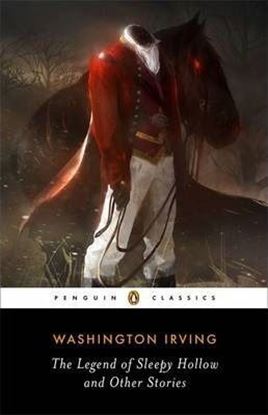
THE LEGEND OF SLEEPY HOLLOW
In Irving's great work, The Sketch Book, fictional historian Diedrich Knickerbocker introduces us to Rip van Winkle, the Dutch colonist who slept through the Revolutionary War; Ichabod Crane, the superstitious, social-climbing schoolmaster; and the pumpkin-topped Headless Horseman, ancestor to countless horror film antiheroes. In addition to 'The Legend of Sleepy Hollow' and 'Rip Van Winkle', The Sketch Book touches on cultural and historical concerns that remain compelling, thanks to Irving's modern outlook and impressive foresight.
This new edition, with an introduction from Elizabeth L. Bradley, demonstrates how inextricably Irving's writings are woven into the fabric of American culture - high and low.
750
850
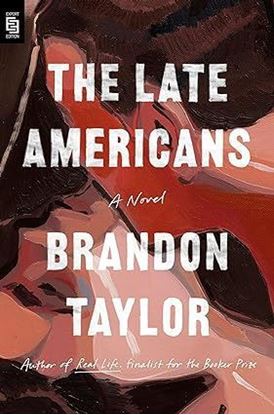
THE LATE AMERICANS
In the shared and private spaces of Iowa City, a loose circle of lovers and friends encounter, confront, and provoke one another in a volatile year of self-discovery. At the group’s center are Ivan, a dancer turned aspiring banker who dabbles in amateur pornography; Fatima, whose independence and work ethic complicates her relationships with friends and a trusted mentor; and Noah, who “didn’t seek sex out so much as it came up to him like an anxious dog in need of affection.” These three are buffeted by a cast of poets, artists, landlords, meat-packing workers, and mathematicians who populate the cafes, classrooms, and food-service kitchens of Iowa City, sometimes to violent and electrifying consequence. Finally, as each prepares for an uncertain future, the group heads to a cabin to bid goodbye to their former lives—a moment of reckoning that leaves each of them irrevocably altered.
850
1,350
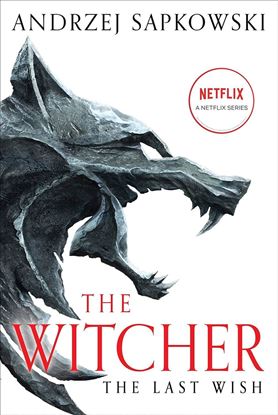
THE LAST WISH
Geralt is a Witcher, a man whose magic powers, enhanced by long training and a mysterious elixir, have made him a brilliant fighter and a merciless hunter. Yet he is no ordinary killer. His sole purpose: to destroy the monsters that plague the world.
But not everything monstrous-looking is evil and not everything fair is good . . . and in every fairy tale there is a grain of truth.
1,350