
800
800
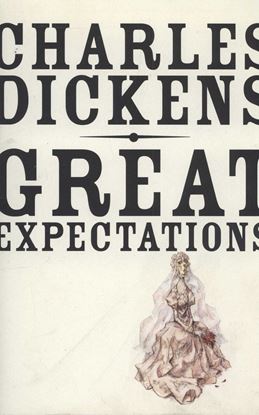
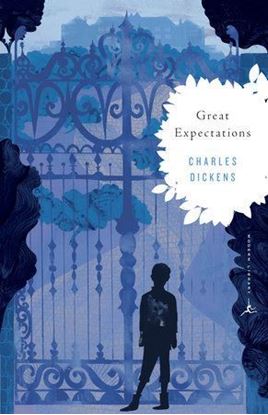
GREAT EXPECTATIONS (MODERN LIBRARY)
Pip, a poor orphan being raised by a cruel sister, does not have much in the way of great expectations—until he is inexplicably elevated to wealth by an anonymous benefactor. Full of unforgettable characters—including a terrifying convict named Magwitch, the eccentric Miss Havisham, and her beautiful but manipulative niece, Estella, Great Expectations is a tale of intrigue, unattainable love, and all of the happiness money can’t buy. “Great Expectations has the most wonderful and most perfectly worked-out plot for a novel in the English language,” according to John Irving, and J. Hillis Miller declares, “Great Expectations is the most unified and concentrated expression of Dickens’s abiding sense of the world, and Pip might be called the archetypal Dickens hero.”
800
1,500
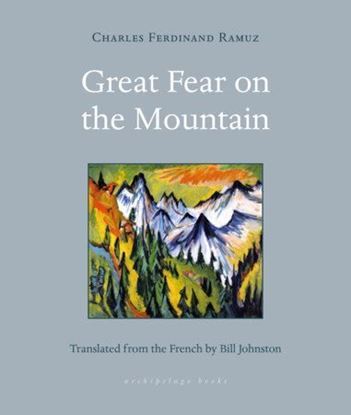
GREAT FEAR ON THE MOUNTAIN
Teeming with tension, this immersive, rhapsodic story transports readers to the Swiss mountainside, bringing to mind the writing of Thomas Mann while offering character studies as vivid and bracing as Eudora Welty’s.
Feed is running low in a rural village in Switzerland. The town council meets to decide whether or not to ascend a chimerical mountain in order to access the open pastures that have enough grass to “feed seventy animals all summer long.” The elders of the town protest, warning of the dangers and the dreadful lore that enfolds the mountain passageways like thick fog.
They’ve seen it all before, reckoning with the loss of animals and men who have tried to reach the pastures nearly twenty years ago. The younger men don’t listen, making plans to set off on their journey despite all warnings. Strange things happen. Spirits wrestle with headstrong young men. As the terror of life on the mountain builds, Ramuz’s writing captures the rural dialog and mindsets of the men.
One of the most talented translators working today, Bill Johnston captures the careful and sublime twists and turns of the original in his breathtaking translation.
1,500