

1,450
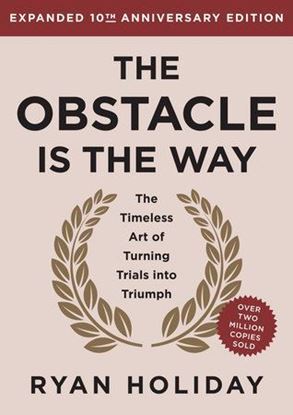
THE OBSTACLE IS THE WAY EXPANDED 10TH
Icons of history—from Epictetus and Demosthenes to Amelia Earhart and Richard Wright—followed a simple formula to achieve greatness. They were not exceptionally brilliant, lucky, or gifted. Their success in overcoming extreme obstacles was the result of a timeless set of philosophical principles that the greatest men and women have always pursued.
1,450
1,250
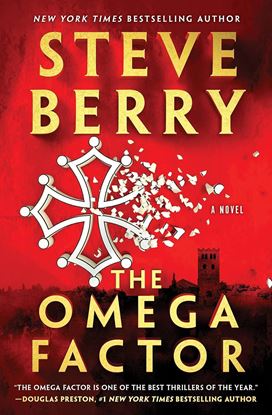
THE OMEGA FACTOR
When Nick travels to Belgium for a visit with a woman from his past, he unwittingly stumbles on the trail of a legendary panel from the Ghent Altarpiece, stolen in 1934 under cover of night and never seen since. Soon Nick is plunged into a bitter conflict, one that has been simmering for nearly two thousand years. On one side is the Maidens of Saint-Michael, les Vautours—the Vultures—a secret order of nuns and the guardians of a great truth. Pitted against them is the Vatican, which has wanted for centuries to both find and possess what the nuns guard. Because of Nick the maidens have finally been exposed, their secret placed in dire jeopardy—a vulnerability that the Vatican swiftly moves to exploit utilizing an ambitious cardinal and a corrupt archbishop, both with agendas of their own.
1,250
1,350
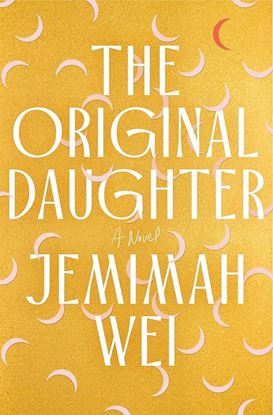
THE ORIGINAL DAUGHTER
Before Arin, Genevieve Yang was an only child. Living with her parents and grandmother in a single-room flat in working-class Bedok, Genevieve is saddled with an unexpected sibling when Arin appears, the shameful legacy of a grandfather long believed to be dead. As the two girls grow closer, they must navigate the intensity of life in a place where the urgent insistence on achievement demands constant sacrifice. Knowing that failure is not an option, the sisters learn to depend entirely on one another as they spurn outside friendships, leisure, and any semblance of a social life in pursuit of academic perfection and passage to a better future.
When a stinging betrayal violently estranges Genevieve and Arin, Genevieve must weigh the value of ambition versus familial love, home versus the outside world, and allegiance to herself versus allegiance to the people who made her who she is.
1,350