



1,250
1,000
STEPPENWOLF
At first glance, Harry Haller seems like a respectable, educated man. In reality, he is the Steppenwolf: wild, strange, alienated from society, and repulsed by the modern age. But as he is drawn into a series of dreamlike and sometimes savage encounters—accompanied by, among others, Mozart, Goethe, and the bewitching Hermione—the misanthropic Haller undergoes a spiritual, even psychedelic, journey, and ultimately discovers a higher truth and the possibility of happiness.
1,250
1,000
995
796
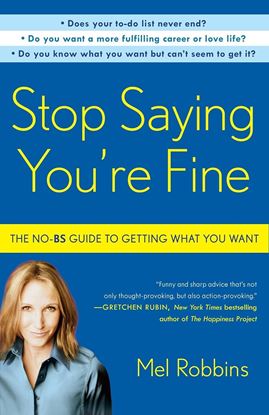
STOP SAYING YOU ARE FINE
Mel Robbins has spent her career teaching people how to push past their self-imposed limits to get what they truly desire. She has an in-depth understanding of the psychological and social factors that repeatedly hold you back, and more important, a unique set of tools for getting you where you want to be.
In Stop Saying You're Fine, she draws on neuroscientific research, interviews with countless everyday people, and ideas she's tested in her own life to show what works and what doesn't. The key, she explains, is understanding how your own brain works against you. Because evolution has biased your mental gears against taking action, what you need are techniques to outsmart yourself.
995
796
1,600
1,280
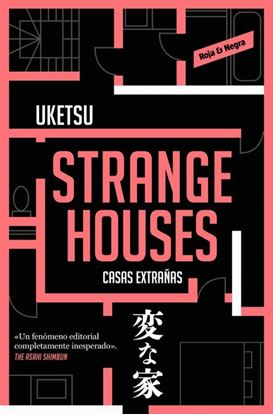
STRANGE HOUSES
Una siniestra habitación oculta. El espacio hueco entre dos tabiques. Una trampilla que no se sabe adónde da… Todas las casas esconden secretos, pero algunos son mucho más oscuros que otros. El análisis meticuloso del plano de una vivienda conduce, en los primeros compases de esta novela, a una conclusión inquietante: ¿alguien la ha diseñado para que en ella se cometan crímenes impunemente? Y, si es así, ¿podría haber otras casas tan extrañas como esa repartidas por todo Japón?
1,600
1,280