



1,700
THE TURN OF THE SCREW
In "The Turn of the Screw," one of the most famous ghost stories of all time, a
governess becomes obsessed with the belief that malevolent forces are stalking
the children in her care. It is accompanied here by several more of the very best of
Henry James's short stories, all exploring ghosts and the uncanny.
For more than seventy years, Penguin has been the leading publisher of classic literature in the English-speaking world. With more than 1,800 titles, Penguin Classics represents a global bookshelf of the best works throughout history and across genres and disciplines. Readers trust the series to provide authoritative texts enhanced by introductions and notes by distinguished scholars and contemporary authors, as well as up-to-date translations by award-winning translators.
1,700

995
UNNATURAL HISTORY
Los Angeles is a city of stark contrast, the palaces of the affluent coexisting uneasily with the hellholes of the mad and the needy. That shadow world and the violence it breeds draw brilliant psychologist Dr. Alex Delaware and Detective Milo Sturgis into an unsettling case of altruism gone wrong.
On a superficially lovely morning, a woman shows up for work with her usual enthusiasm. She’s the newly hired personal assistant to a handsome, wealthy photographer and is ready to greet her boss with coffee and good cheer. Instead, she finds him slumped in bed, shot to death.
The victim had recently received rave media attention for his latest project: images of homeless people in their personal “dream” situations, elaborately costumed and enacting unfulfilled fantasies. There are some, however, who view the whole thing as nothing more than crass exploitation, citing token payments and the victim’s avoidance of any long-term relationships with his subjects.
Has disgruntlement blossomed into homicidal rage? Or do the roots of violence reach down to the victim’s family—a clan, sired by an elusive billionaire, that is bizarre in its own right?
Then new murders arise, and Alex and Milo begin peeling back layer after layer of intrigue and complexity, culminating in one of the deadliest threats they’ve ever faced.
995
800
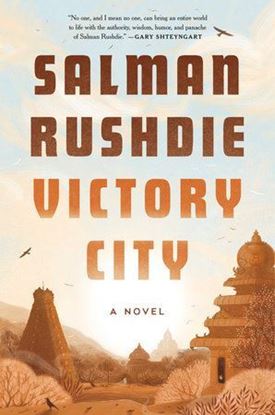
VICTORY CITY
In the wake of an unimportant battle between two long-forgotten kingdoms in fourteenth-century southern India, a nine-year-old girl has a divine encounter that will change the course of history. After witnessing the death of her mother, the grief-stricken Pampa Kampana becomes a vessel for a goddess, who begins to speak out of the girl’s mouth. Granting her powers beyond Pampa Kampana’s comprehension, the goddess tells her that she will be instrumental in the rise of a great city called Bisnaga—“victory city”—the wonder of the world.
Over the next 250 years, Pampa Kampana’s life becomes deeply interwoven with Bisnaga’s, from its literal sowing from a bag of magic seeds to its tragic ruination in the most human of ways: the hubris of those in power. Whispering Bisnaga and its citizens into existence, Pampa Kampana attempts to make good on the task that the goddess set for her: to give women equal agency in a patriarchal world. But all stories have a way of getting away from their creator, and Bisnaga is no exception. As years pass, rulers come and go, battles are won and lost, and allegiances shift, the very fabric of Bisnaga becomes an ever more complex tapestry—with Pampa Kampana at its center.
800