



700
THE ADVENTURES OF HUCKLEBERRY FINN
Long cherished by readers of all ages, The Adventures of Huckleberry Finn is both a hilarious account of an incorrigible truant and a powerful parable of innocence in conflict with the fallen adult world.
The mighty Mississippi River of the antebellum South gives the novel both its colorful backdrop and its narrative shape, as the runaways Huck and Jim—a young rebel against civilization allied with an escaped slave—drift down its length on a flimsy raft. Their journey, at times rollickingly funny but always deadly serious in its potential consequences, takes them ever deeper into the slave-holding South, and our appreciation of their shared humanity grows as we watch them travel physically farther from yet morally closer to the freedom they both passionately seek.
700
700
SENSE AND SENSIBILITY (VINTAGE CLASSIC)
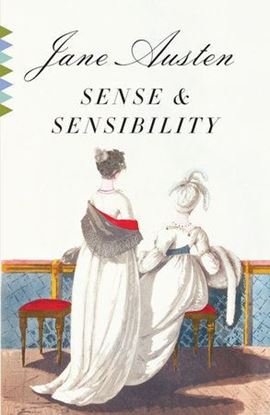
In its marvelously perceptive portrayal of two young women in love, Sense and Sensibility is the answer to those critics and readers who believe that Jane Austen's novels, despite their perfection of form and tone, lack strong feeling. Its two heroines--so utterly unlike each other-both undergo the most violent passions when they are separated from the men they love. What differentiates them, and gives this extroardinary book its complexity and brilliance, is the way each expresses her suffering: Marianne-young, impetuous, ardent-falls into paroxysms of grief when she is rejected by the dashing John Willoughby; while her sister, Elinor--wiser, more sensible, more self-controlled--masks her despair when it appears that Edward Ferrars is to marry the mean-spirited and cunning Lucy Steele. All, of course, ends happily--but not until Elinor's "sense" and Marianne's "sensibility" have equally worked to reveal the profound emotional life that runs beneath the surface of Austen's immaculate and irresistible art.
700

700
GONE GIRL (MM)
On a warm summer morning in North Carthage, Missouri, it is Nick and Amy Dunne's fifth wedding anniversary. Presents are being wrapped and reservations are being made when Nick's clever and beautiful wife disappears. Husband-of-the-Year Nick isn't doing himself any favors with cringe-worthy daydreams about the slope and shape of his wife's head, but passages from Amy's diary reveal the alpha-girl perfectionist could have put anyone dangerously on edge. Under mounting pressure from the police and the media--as well as Amy's fiercely doting parents--the town golden boy parades an endless series of lies, deceits, and inappropriate behavior. Nick is oddly evasive, and he's definitely bitter--but is he really a killer?
700
700

700
TRUE BIZ
True biz? The students at the River Valley School for the Deaf just want to hook up, pass their history finals, and have politicians, doctors, and their parents stop telling them what to do with their bodies. This revelatory novel plunges readers into the halls of a residential school for the deaf, where they’ll meet Charlie, a rebellious transfer student who’s never met another deaf person before; Austin, the school’s golden boy, whose world is rocked when his baby sister is born hearing; and February, the hearing headmistress, a CODA (child of deaf adult(s)) who is fighting to keep her school open and her marriage intact, but might not be able to do both. As a series of crises both personal and political threaten to unravel each of them, Charlie, Austin, and February find their lives inextricable from one another—and changed forever.
700
700
PERSUASION
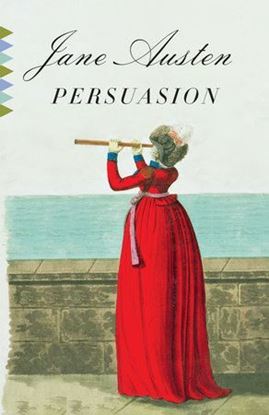
Anne Elliot, daughter of the snobbish Sir Walter Elliot, is woman of quiet charm and deep feelings. When she was nineteen she fell in love with—and was engaged to—a naval officer, the fearless and headstrong Captain Wentworth. But the young man had no fortune, and Anne allowed herself to be persuaded to give him up.
700