

1,850
1,388
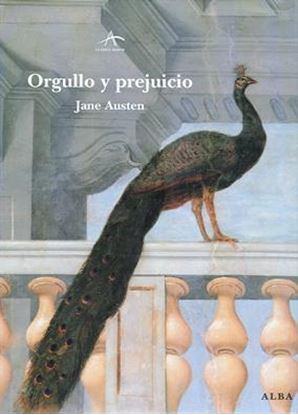
ORGULLO Y PREJUICIO (ALBA) (TD)
«Es una verdad universalmente aceptada que todo soltero en posesión de una gran fortuna necesita una esposa»: este comienzo -junto con el de Anna Karénina, quizá uno de los más famosos de la historia de la literatura- nos introduce sabiamente en el mundo de Jane Austen y de su novela más emblemática. Orgullo y prejuicio, publicada en 1813 tras el éxito de Juicio y sentimiento, reúne de forma ejemplar sus temas recurrentes y su visión inimitable en la historia de las cinco hijas de la señora Bennet, que no tiene otro objetivo en su vida que conseguir una buena boda para todas ellas. Dos ricos jóvenes, el señor Bingley y el señor Darcy, aparecen en su punto de mira e inmediatamente se ven señalados como posibles «presas». El opresivo ambiente de la familia, la presión del matrimonio y del escándalo, la diferencia de clases, el fantasma de la pobreza y la actitud de una heroína más rica y compleja en sentimientos que cualquier heroína de cualquier novela anterior, se conjugan en esta obra maestra leída y celebrada a lo largo de más de dos siglos.
1,850
1,388

1,850
1,388
EXPOSURE
In Gallup, New Mexico, where violent crime is five times the national average, a serial killer is operating unchecked, his targets indigent Native people whose murders are easily disguised as death by exposure on the frigid winter streets. He slips unnoticed through town, hidden in plain sight by his unassuming nature, while the voices in his head guide him toward a terrifying vision of glory. As the Gallup detectives struggle to put the pieces together, they consider calling in a controversial specialist to help.
1,850
1,388
1,850
1,388
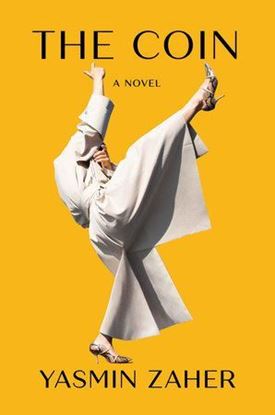
THE COIN
The Coin’s narrator is a wealthy Palestinian woman with impeccable style and meticulous hygiene. And yet the ideal self, the ideal life, remains just out of reach: her inheritance is inaccessible, her homeland exists only in her memory, and her attempt to thrive in America seems doomed from the start.
In New York, she strives to put down roots. She teaches at a school for underprivileged boys, where her eccentric methods cross boundaries. She befriends a homeless swindler, and the two participate in an intercontinental scheme reselling Birkin bags.
But America is stifling her—her willfulness, her sexuality, her principles. In an attempt to regain control, she becomes preoccupied with purity, cleanliness, and self-image, all while drawing her students into her obsessions. In an unforgettable denouement, her childhood memories converge with her material and existential statelessness, and the narrator unravels spectacularly.
1,850
1,388
1,850
1,388
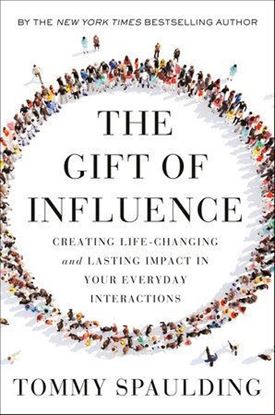
THE GIFT OF INFLUENCE
“Tommy Spaulding has such a profound gift for storytelling and for collecting wonderful people and experiences.”—Liz Wiseman, author of Multipliers
Researchers estimate that the average person will influence up to eighty thousand people over the course of their lifetime—or 2.8 people daily. That’s a stadium full of people each of us affects in ways positive or negative, sometimes without our realizing. What if we paid attention to this fact? Would we live differently? Would we lead differently? Would we put down our phones and be more present with the people in front of us?
1,850
1,388
1,850
1,388
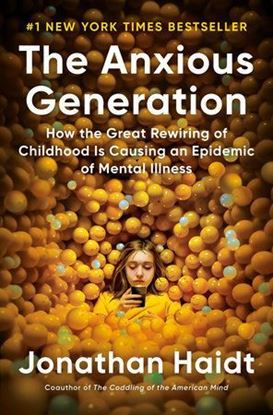
THE ANXIOUS GENERATION
After more than a decade of stability or improvement, the mental health of adolescents plunged in the early 2010s. Rates of depression, anxiety, self-harm, and suicide rose sharply, more than doubling on many measures. Why?
In The Anxious Generation, social psychologist Jonathan Haidt lays out the facts about the epidemic of teen mental illness that hit many countries at the same time. He then investigates the nature of childhood, including why children need play and independent exploration to mature into competent, thriving adults. Haidt shows how the “play-based childhood” began to decline in the 1980s, and how it was finally wiped out by the arrival of the “phone-based childhood” in the early 2010s. He presents more than a dozen mechanisms by which this “great rewiring of childhood” has interfered with children’s social and neurological development, covering everything from sleep deprivation to attention fragmentation, addiction, loneliness, social contagion, social comparison, and perfectionism. He explains why social media damages girls more than boys and why boys have been withdrawing from the real world into the virtual world, with disastrous consequences for themselves, their families, and their societies.
1,850
1,388
1,850
1,388
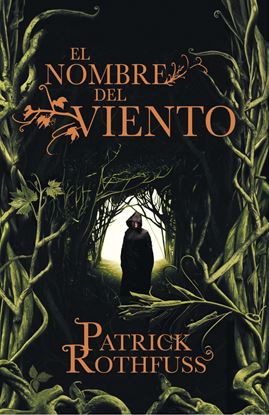
EL NOMBRE DEL VIENTO (1) (TD)
En una posada en tierra de nadie, un hombre se dispone a relatar, por primera vez, la auténtica historia de su vida. Una historia que únicamente él conoce y que ha quedado diluida tras los rumores, las conjeturas y los cuentos de taberna que le han convertido en un personaje legendario a quien todos daban ya por muerto: Kvothe... músico, mendigo, ladrón, estudiante, mago, héroe y asesino.
Ahora va a revelar la verdad sobre sí mismo. Y para ello debe empezar por el principio: su infancia en una troupe de artistas itinerantes, los años malviviendo como un ladronzuelo en las calles de una gran ciudad y su llegada a una universidad donde esperaba encontrar todas las respuestas que había estado buscando.
1,850
1,388