

500
375
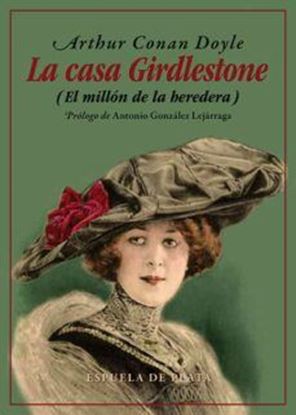
LA CASA GIRDLESTONE (OF2)
La casa Girdlestone es la primera novela larga salida de la pluma del que sería padre del rey de los detectives, Sir Arthur Conan Doyle. Aunque terminada de escribir en 1884, no se publicaría hasta 1890, cuando su autor ya había alcanzado cierta notoriedad con Estudio en escarlata en 1887, El misterio de Cloomber en 1888 y Micah Clarke en 1889. La casa Girdlestone es una novela dickensiana a la vez que una novela de aventuras con ciertas referencias autobiográficas. Los capítulos que se desarrollan en Escocia son una buena prueba de ello. Con notables influencias de obras de otro autores, como Charles Dickens, Anthony Trollope y, sobre todo de la novela de Sheridan Le Fanu, El tío Silas.
500
375
500
375
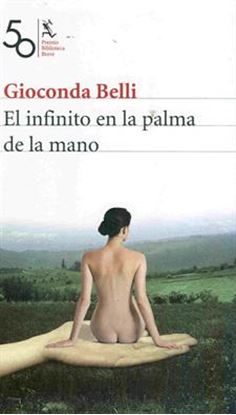
EL INFINITO EN LA PALMA DE LA MANO (OF2)
El mágico relato de nuestros orígenes es probablemente el que más fascinación ha inspirado en la humanidad a lo largo de los tiempos. Pero, más allá de los cuarenta versículos que la Biblia dedica a Adán y Eva, más allá incluso de la leyenda, ¿Cómo sería la vida de aquella inocente, valiente y conmovedora primera pareja?, ¿ Cómo sería aquel universo primigenio? EL INFINITO EN LA PALMA DE LA MANO ha sido galardonada con el PREMIO BIBLIOTECA BREVE 2008
500
375
500
375
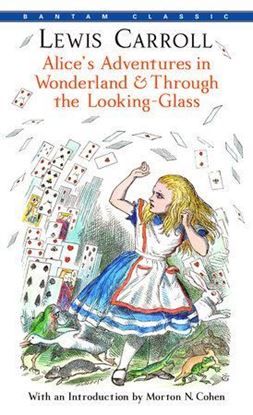
ALICE'S ADVENTURES IN WONDERLAND
In 1862 Charles Lutwidge Dodgson, a shy Oxford mathematician with a stammer, created a story about a little girl tumbling down a rabbit hole. Thus began the immortal adventures of Alice, perhaps the most popular heroine in English literature.
Countless scholars have tried to define the charm of the Alice books—with those wonderfully eccentric characters the Queen of Hearts, Tweedledum, and Tweedledee, the Cheshire Cat, Mock Turtle, the Mad Hatter et al.—by proclaiming that they really comprise a satire on language, a political allegory, a parody of Victorian children’s literature, even a reflection of contemporary ecclesiastical history.
Perhaps, as Dodgson might have said, Alice is no more than a dream, a fairy tale about the trials and tribulations of growing up—or down, or all turned round—as seen through the expert eyes of a child.
500
375