

1,500
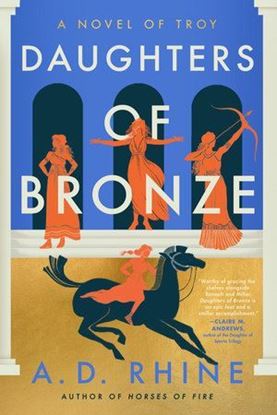
DAUGHTERS OF BRONZE
Song of great sorrow. Even greater love.
Lost between the timeless lines of Homer’s epic, the women of Troy finally stand to be counted. Their story is one you’ve never encountered, and it will change the fate of Troy forever.
Andromache has proven herself a capable leader, but can she maintain that hard-won status now that she is the mother to the city’s long-awaited heir? With enemies closing in, Andromache must bring together a divided city in time to make a final stand.
Rhea is a Trojan spy, but she never expected to find love in the enemy camp. When the final battle lines are drawn, Rhea must decide where her loyalties lie and how much she is willing to lose.
Helen is no longer the same broken woman first brought to Troy as a captive. Given a second chance at life, she must cast off her shroud of grief and use her healing gifts to save Troy’s greatest hope.
Cassandra has seen Troy’s fate. But she knows the truth is only as valuable as the person who tells it . . . and few in Troy value her. All that is about to change. One hero will rise, another will fall . . . and this time, Cassandra will have her say.
1,500
1,500
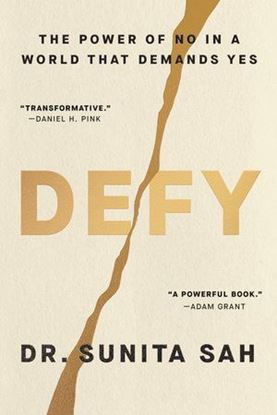
DEFY. THE POWER OF NO IN A WORLD OF
Why is it so hard to stand up to authority, even when we know something’s wrong?
Many of us comply much more than we realize. How many times have you wanted to object, disagree, or opt out of something but ended up swallowing your words, shaking your head, and just going along? Analyzing cases ranging from corporate corruption and sexual abuse to everyday acquiescence at work, the doctor’s office, and in our personal lives, award-winning organizational psychologist Dr. Sunita Sah delves deep into why the pressure to comply is a corrosive and often invisible force in our society.
With her own revelatory research, she radically transforms our idea of defiance from a misunderstood negative trait into a crucial, positive force for personal and societal change. Taking us through her five stages of defiance, Dr. Sah equips readers with simple tools to make decisions that align with their values. Defy is the essential playbook for how to speak up and act when it matters most.
1,500

1,500
GREAT FEAR ON THE MOUNTAIN
Teeming with tension, this immersive, rhapsodic story transports readers to the Swiss mountainside, bringing to mind the writing of Thomas Mann while offering character studies as vivid and bracing as Eudora Welty’s.
Feed is running low in a rural village in Switzerland. The town council meets to decide whether or not to ascend a chimerical mountain in order to access the open pastures that have enough grass to “feed seventy animals all summer long.” The elders of the town protest, warning of the dangers and the dreadful lore that enfolds the mountain passageways like thick fog.
They’ve seen it all before, reckoning with the loss of animals and men who have tried to reach the pastures nearly twenty years ago. The younger men don’t listen, making plans to set off on their journey despite all warnings. Strange things happen. Spirits wrestle with headstrong young men. As the terror of life on the mountain builds, Ramuz’s writing captures the rural dialog and mindsets of the men.
One of the most talented translators working today, Bill Johnston captures the careful and sublime twists and turns of the original in his breathtaking translation.
1,500

1,500
CUENTOS INQUIETANTES
Los «Cuentos inquietantes» aquí reunidos, la mayoría de los cuales han permanecido inéditos en castellano hasta hoy, lo son cada uno a su manera. Algunos se escoran levemente hacia lo sobrenatural, en la línea de los relatos de fantasmas de Henry James, historias en las que el elemento ultraterreno sobrevuela la cotidianidad de modo casi imperceptible: sutilmente invasivo, tan evanescente en ocasiones que la duda atenaza al lector hasta el final provocándole una deliciosa inquietud.
1,500
1,500
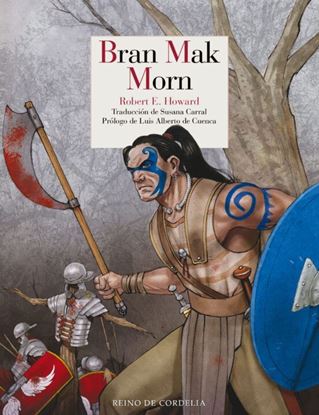
BRAN MAK MORN
Entre todos los héroes salvajes y brutales inventados por el creador de Conan, Robert E. Howard, el rey picto Bran Mak Morn guarda un origen más próximo a la historia. Se debe a la ascendencia escocesa-irlandesa de este autor, discípulo y amigo de Lovecraft, y principal impulsor del género de «espada y brujería». Considerado junto a Tolkien uno de los escritores más influyentes de la fantasía heroica moderna, Howard narra en estas aventuras la encarnizada lucha que, capitaneados por su último rey, sostuvieron los pictos britanos a finales del siglo III de la era cristiana contra las legiones de Roma. Cuenta la épica de una raza que avanza inexorablemente hacia su extinción, mientras intenta detener el rastro de muerte que dejan a su paso las águilas romanas.
1,500

1,500
EXTRAÑA CONFESION
Extraña confesión apareció en folletines populares en 1884 y 1885. Es la primera novela larga publicada por Antón Chéjov y la única policíaca que escribió el gran autor ruso. Un editor recibe del autor, un manuscrito donde se narra en primera persona la experiencia de un juez de instrucción que sirvió en su juventud en un remoto distrito ruso. El libro resulta ser una novela inspirada en un crimen pasional ocurrido en esa localidad y en cuyo proceso tuvo protagonismo el referido juez. Mediante el análisis del texto, el editor se da cuenta de que el crimen sigue impune, que la persona que acabó siendo condenada es inocente y que los hechos no ocurrieron tal y como los cuenta el autor del relato.
1,500