1,450
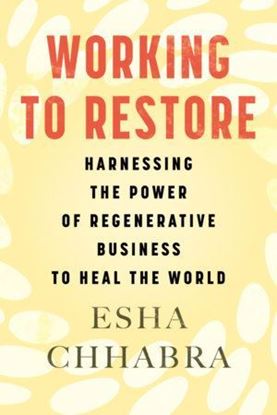
WORKING TO RESTORE
Political upheaval and social turmoil have peeled back the glitzy layers of capitalism to reveal an uncomfortable truth: historically, businesses have sourced materials from remote corners of the globe and moved millions of people and tons of cargo around the clock—all in the name of profit. Yet many of today’s startups are rewriting the rules of business: how it’s done, by whom, and, most importantly, for what purpose. Journalist Esha Chhabra draws on her decades of reporting to explore not only the “feel good, do good” factors of these restorative enterprises but also the nuanced realities and promise of regenerative business operations.
1,450
1,450
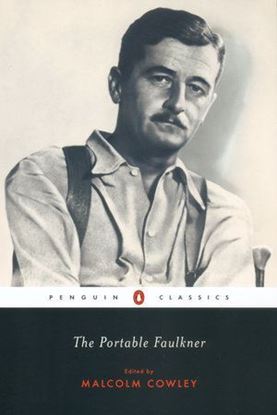
THE PORTABLE FAULKNER
In prose of biblical grandeur and feverish intensity, William Faulkner reconstructed the history of the American South as a tragic legend of courage and cruelty, gallantry and greed, futile nobility and obscene crimes. He set this legend in a small, minutely realized parallel universe that he called Yoknapatawpha County, Mississippi.
1,450
1,450
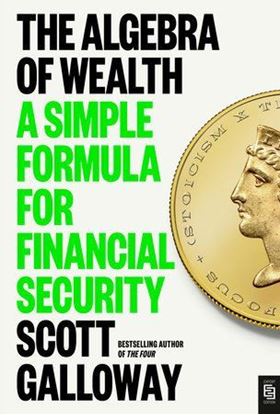
THE ALGEBRA OF WEALTH
Today’s workers have more opportunities and mobility than any generation before. They also face unprecedented challenges, including inflation, labor and housing shortages, and climate volatility. Even the notion of retirement is undergoing a profound rethink, as our lifespans extend and our relationship with work evolves. In this environment, the tried-and-true financial advice our parents followed is no longer enough. It’s time for a new playbook.
1,450
1,450
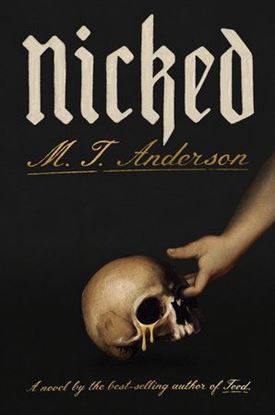
NICKED
The year is 1087, and a pox is sweeping through the Italian city of Bari. When a lowly monk is visited by Saint Nicholas in his dreams, he interprets the vision as a call to serve the sick. But his superiors, and the power brokers they serve, have different plans for the tender-hearted Brother Nicephorus.
Enter Tyun, a charismatic treasure hunter renowned for “liberating” holy relics from their tombs. The seven-hundred-year-old bones of Saint Nicholas are rumored to weep a mysterious liquid that can heal the sick, Tyun says. For the humble price of a small fortune, he will steal the bones and deliver them to Bari, curing the plague and restoring glory to the fallen city. And Nicephorus, the “dreamer,” will be his guide.
What follows is a heist for the ages, as Nicephorus is swept away on strange tides, and alongside even stranger bedfellows, to commit sacrilegious theft. Based on real historical accounts, Nicked is a swashbuckling saga, a medieval novel noir, a meditation on the miraculous, and a monastic meet-cute, filled with wide-eyed wonder at the world that awaits beyond our own borders.
1,450
1,450
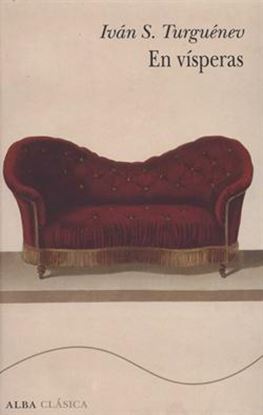
EN VISPERA (ALBA)
Dos jóvenes amigos, un escultor con talento pero algo perezoso y un recién licenciado en Filosofía, están enamorados de Yelena Nikoláievna Stájova, una muchacha de clase media que siempre ha destacado por su bondad con los que sufren. Yelena encuentra frívolo a uno de ellos, y cada vez más interesante al otro, pero entonces se cruza en su camino un tercero. Mientras tanto, sus padres preparan su boda con un alto funcionario… Turguénev recreó en En vísperas (1860) un enfrentamiento generacional que los críticos de la época vieron como una alegoría de la Rusia que estaba por llegar (de ahí el título de la obra).
1,450
1,450
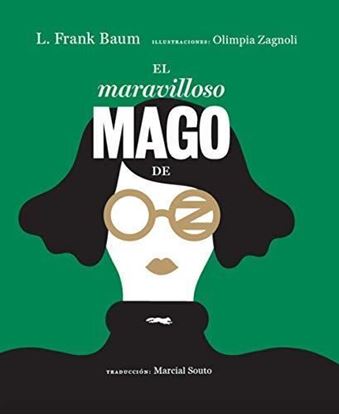
EL MARAVILLOSO MAGO DE OZ (ZORRO)
«Oz es ese lugar, diez minutos antes del sueño, donde […] decidimos que la humanidad, por muy maliciosa y mezquina y tonta que sea, merecerá otra oportunidad al amanecer.» Ray Bradbury
Célebre por la adaptación cinematográfica de Victor Fleming, la película fantástica más famosa de todos los tiempos, El maravilloso Mago de Oz era el tercer libro que Baum escribía, y fue un éxito inmediato. Se trataba de uno más entre muchos que estaba planeando, pero la presión de los lectores fue tal, que terminó escribiendo catorce novelas sobre este fantástico mundo. La multipremiada Olimpia Zagnoli despliega un cautivador imaginario, en el que los potentes patrones geométricos y el juego cromático entre el verde esmeralda y el dorado otorgan a esta edición un talante inigualable.
1,450