


1,350
1,080
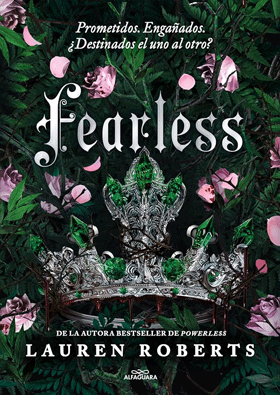
RELATIONSHIP GOALS
Abigail Hunt’s Hollywood dreams could best be described as slow burn…but she’s about to graduate from TV sidekick to dramatic actor. When the esteemed director of her breakout role suggests a deep dive for her part by shadowing the head of a struggling pro soccer team, she jumps at the chance to prove she’s ready.
Getting asked out by notorious grump and gorgeous star player Luke Wolfe wasn’t in the plan, but suddenly her research is getting a lot more…hands-on. Their relationship quickly sets social media on fire, and Luke seems determined to prove he’s more than his villainous reputation. But just when Abigail is happier than ever—her name in lights and her heart in good hands—the other cleat drops: Luke’s been coerced into faking their relationship to improve the team’s ticket sales.
Furious, Abigail refuses to give Luke the satisfaction of dumping him—she decides to get even. Over-the-top dates, treating his games like fashion shows, and befriending the fan club he hates? Count her in. It’s only a matter of time until she pushes the right buttons.
She just didn’t expect him to keep putting up with it—or to say I love you.
1,350
1,080
1,350
1,080
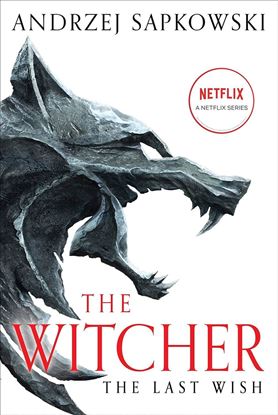
THE LAST WISH
Geralt is a Witcher, a man whose magic powers, enhanced by long training and a mysterious elixir, have made him a brilliant fighter and a merciless hunter. Yet he is no ordinary killer. His sole purpose: to destroy the monsters that plague the world.
But not everything monstrous-looking is evil and not everything fair is good . . . and in every fairy tale there is a grain of truth.
1,350
1,080

1,350
1,080
THE MISTRESS AND THE KEY
Card shark Hailey Gordon and ex con Nick Patterson—fresh off uncovering one of the biggest secrets of the Revolutionary War alongside American history professor Adrian Jensen—now find themselves in Philadelphia, immersed in the history of Benjamin Franklin and Paul Revere. The Liberty Bell, Charles Willson Peale’s Museum, and the Tomb of The Unknown Revolutionary Soldier are connected to Franklin in amazing ways. The more they discover, the more shocking the implications become.
The long buried secrets Hailey and Nick are chasing have previously only been known by a select few, who would prefer to keep it that way. A woman known as The Heiress—part of a mysterious organization called The Family—is one of these rare historians. After generations of members have failed before her, The Heiress has been tasked to finally unearth the alchemical secrets Revere and Franklin may have discovered during their lifetimes.
And she’s not about to let Nick and Hailey get in her way.
1,350
1,080

1,350
1,080
EL LEGADO DE EUROPA
Richard Friedenthal, editor y gran amigo de Stefan Zweig, reunió, en“El legado de Europa”, aquellos ensayos en que el escritor austríaco rinde homenaje a los artistas que supieron expresar la esencia de la conciencia común europea. Tras la fragmentación de esa patria compartida que fue Europa, Zweig la reconstruyó en el único mundo que le era posible, el del espíritu. En esta reconstrucción le ayudaron aquellos autores que fueron sus compañeros de viaje: Montaigne, Chateaubriand, Wassermann, Rilke, Roth... Artistas y amigos que, a modo de herencia, nos lega para inmortalizarlos en el tiempo, para que permanezcan imperecederamenteen nuestra conciencia.
1,350
1,080

1,350
1,080
1,350
1,080
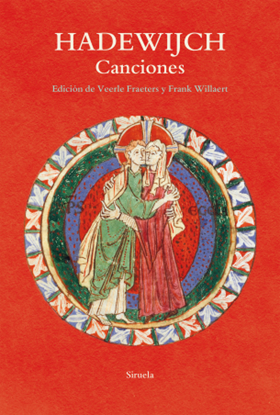
HADEWIJCH CANCIONES
Las cuarenta y cinco canciones de Hadewijch publicadas en este libro deben situarse en la cima de la creación lírica medieval. Tratan acerca del amor, Minne, y lo hacen de un modo nuevo, porque el amor de Hadewijch es amor a Dios, pero expresado según el estilo de los poetas del amor profano, trovadores y Minnesänger. Esta combinación genera una profunda sensación de extrañeza que embarga por la belleza de sus versos en los que dominan potentes imágenes destinadas a visualizar un sentimiento cuya vehemencia está más allá de toda mesura. Es la furia del amor.
Nada sabemos de Hadewijch, salvo lo que puede deducirse de su obra compuesta, además de estas Canciones, por treinta y una cartas en prosa, catorce visiones y dieciséis poemas rimados, que la tradición manuscrita nos transmite en su totalidad como una edición cuidada por su misma autora, algo muy raro en la Edad Media. Hadewijch vivió en la primera mitad del siglo XIII en Brabante, una encrucijada lingüística como se pone de manifiesto en estas Canciones en vulgar, brabantino o neerlandés, en las que aparecen elementos románicos y germánicos. Era una «mujer religiosa» fuera de la orden monástica, una beguina, y maestra de beguinas, según se desprende del tono didáctico de toda su producción, que busca sobre todo ofrecer una orientación espiritual. Su obra deja traslucir una elevada cultura por la presencia tanto de teólogos latinos como Guillermo de Saint Thierry o Ricardo de Saint-Victor, como de la tradición trovadoresca, lo que permite suponer que su depurada técnica musical y poética debió adquirirla en un castillo donde imperara un refinado ambiente cortesano.
1,350
1,080