

995
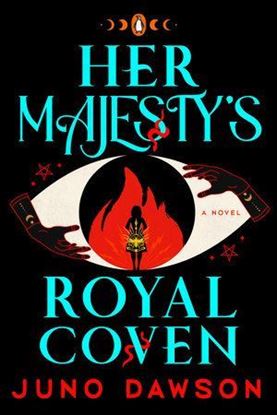
HER MAJESTY'S ROYAL COVEN (1)
At the dawn of their adolescence, on the eve of the summer solstice, four young girls–Helena, Leonie, Niamh and Elle–took the oath to join Her Majesty’s Royal Coven, established by Queen Elizabeth I as a covert government department. Now, decades later, the witch community is still reeling from a civil war and Helena is the reigning High Priestess of the organization. Yet Helena is the only one of her friend group still enmeshed in the stale bureaucracy of HMRC. Elle is trying to pretend she’s a normal housewife, and Niamh has become a country vet, using her powers to heal sick animals. In what Helena perceives as the deepest betrayal, Leonie has defected to start her own more inclusive and intersectional coven, Diaspora. And now Helena has a bigger problem. A young warlock of extraordinary capabilities has been captured by authorities and seems to threaten the very existence of HMRC. With conflicting beliefs over the best course of action, the four friends must decide where their loyalties lie: with preserving tradition, or doing what is right.
995
995
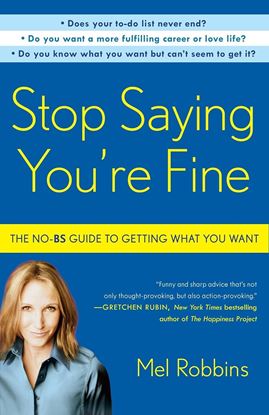
STOP SAYING YOU ARE FINE
Mel Robbins has spent her career teaching people how to push past their self-imposed limits to get what they truly desire. She has an in-depth understanding of the psychological and social factors that repeatedly hold you back, and more important, a unique set of tools for getting you where you want to be.
In Stop Saying You're Fine, she draws on neuroscientific research, interviews with countless everyday people, and ideas she's tested in her own life to show what works and what doesn't. The key, she explains, is understanding how your own brain works against you. Because evolution has biased your mental gears against taking action, what you need are techniques to outsmart yourself.
995
995
995
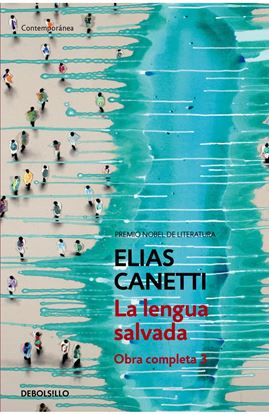
LA LENGUA SALVADA ( O.C. 3) (BOL)
El tercer volumen de la obra completa de Canetti en esta edición definitiva, y el primero de los tres que componen su autobiografía.
Elias Canetti trabajó brillantemente distintos generos, desde la novela hasta el ensayo y el aforismo, pero en los tres volúmenes que componen su autobiografía es, quizá, donde su genio se hace más evidente. En ellos Canetti rememora sus años de infancia y juventud hasta su huida de Viena en 1938 tras la Noche de los Cristales Rotos, ofreciendonos un apasionante y apasionado viaje por la vieja Europa y por sus contemporáneos.
La lengua salvada es el primer volumen de su autobiografía y en el Canetti habla sobre los acontecimientos, las personalidades y las fuerzas intelectuales que le sirvieron de alimento en los primeros años de su desarrollo creativo.
995
995
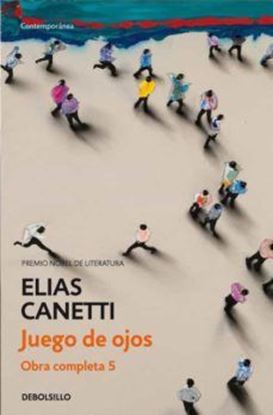
EL JUEGO DE OJOS (O.C. 5) (BOL)
Quinto volumen de esta edición definitiva de la obra completa de Canetti, y cierre de la trilogía en la que recogió su autobiografía.
En los tres libros que componen su autobiografía Elias Canetti nos ofrece su particular visión de la vieja Europa y de sus contemporáneos -Freud o Bábel pasean por estas páginas- en un viaje en el que las vivencias y la literatura se entrelazan para formar un universo único. Juego de ojos es el tercer y último volumen de esa serie y se sitúa en la Viena de 1931 a 1937, a las puertas de la catástrofe. En ella el autor retrata su estrecha relación con Hermann Broch y Robert Musil, entre otros.
995
995