500
375
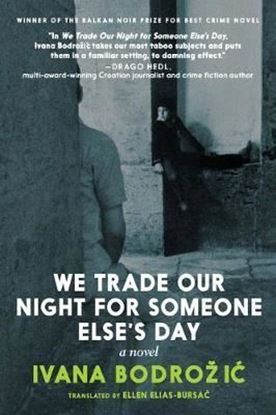
WE TRADE OUR NIGHT FOR SOMEONE (OF2)
The city of Vukovar, situated on Croatia's easternmost periphery, across the Danube River from Serbia, was the site of some of the worst violence in the wars that rocked ex-Yugoslavia in the early '90s. It is referred to only as the city throughout this taut political thriller from one of Europe's most celebrated young writers. In this city without a name, fences in schoolyards separate the children of Serbs from those of Croats, and city leaders still fight to free themselves from violent crimes they committed--or permitted--during the war a generation ago. Now, it is left to a new generation--the children, now grown up, to extricate themselves from this tragic place, innocents who are nonetheless connected in different ways to the crimes of the past.
Nora is a journalist assigned to do a puff piece on the perpetrator of a crime of passion--a Croatian high school teacher who fell in love with one of her students, a Serb, and is now in prison for having murdered her husband. But Nora herself is the daughter of a man who was murdered years earlier under mysterious circumstances. And she wants, if not to avenge her father, at least to bring to justice whoever committed the crime. There's a hothouse intensity to this extraordinary noir page-turner because of how closely the author sets the novel within the historical record. This city is unnamed, the story is fictional, so it can show us what actually happened there.
500
375
500
375
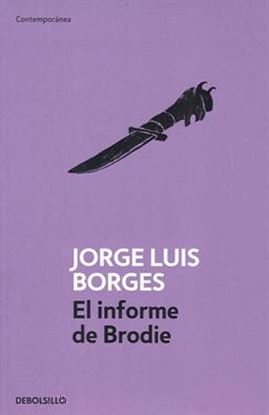
EL INFORME DE BRODIE (BOL)
Gran parte de estos cuentos giran en torno al cumplimiento de un destino que se repite y que suele prefigurar un enfrentamiento. A veces los protagonistas son los hombres, como en «El otro duelo» o «Guayaquil»; otras, son sus armas: dos cuchillos que se buscan largamente hasta por fin encontrarse y pelear. También puede ocurrir, como en «Historia de Rosendo Juárez», que en ese enfrentamiento uno se convierta en espejo del otro, uno sea él mismo y su enemigo. O que, como le sucede a Brodie, el otro le produzca horror y fascinación. Once relatos en los que el autor dice haber encontrado su verdadera voz: «La ya avanzada edad me ha enseñado la resignación de ser Borges».
500
375
500
375
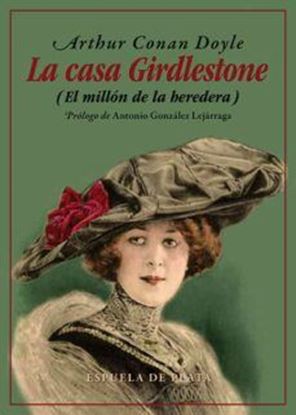
LA CASA GIRDLESTONE (OF2)
La casa Girdlestone es la primera novela larga salida de la pluma del que sería padre del rey de los detectives, Sir Arthur Conan Doyle. Aunque terminada de escribir en 1884, no se publicaría hasta 1890, cuando su autor ya había alcanzado cierta notoriedad con Estudio en escarlata en 1887, El misterio de Cloomber en 1888 y Micah Clarke en 1889. La casa Girdlestone es una novela dickensiana a la vez que una novela de aventuras con ciertas referencias autobiográficas. Los capítulos que se desarrollan en Escocia son una buena prueba de ello. Con notables influencias de obras de otro autores, como Charles Dickens, Anthony Trollope y, sobre todo de la novela de Sheridan Le Fanu, El tío Silas.
500
375