850
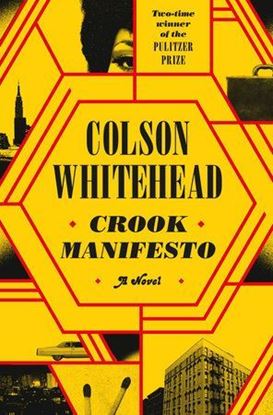
CROOK MANIFESTO
It’s 1971. Trash piles up on the streets, crime is at an all-time high, the city is careening towards bankruptcy, and a shooting war has broken out between the NYPD and the Black Liberation Army. Amidst this collective nervous breakdown furniture store owner and ex-fence Ray Carney tries to keep his head down and his business thriving. His days moving stolen goods around the city are over. It’s strictly the straight-and-narrow for him until he needs Jackson 5 tickets for his daughter May and he decides to hit up his old police contact Munson, fixer extraordinaire. But Munson has his own favors to ask of Carney and staying out of the game gets a lot more complicated and deadly.
850
850
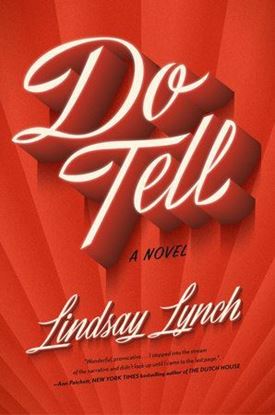
DO TELL (MREXP)
As character actress Edie O'Dare finishes the final year of her contract with FWM Studios, the clock is ticking for her to find a new gig after an undistinguished stint in the pictures. She's long supplemented her income moonlighting for Hollywood's reigning gossip columnist, providing her with the salacious details of every party and premiere. When an up-and-coming starlet hands her a letter alleging an assault from an A-list actor at a party with Edie and the rest of the industry’s biggest names in attendance, Edie helps get the story into print and sets off a chain of events that will alter the trajectories of everyone involved.
850
850
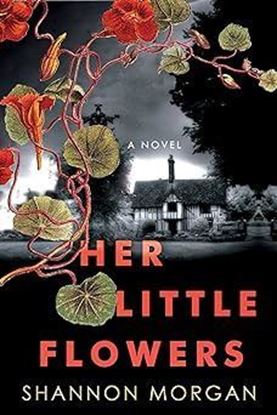
HER LITTLE FLOWERS
Francine Thwaite has lived all her fifty-five years in her family’s ancestral home, a rambling Elizabethan manor in England’s Lake District. No other living soul resides there, but Francine isn’t alone. There are ghosts in Thwaite Manor, harmless and familiar. Most beloved is Bree, the mischievous ghost girl who has been Francine’s companion since childhood.
When Francine’s estranged sister, Madeleine, returns to the manor after years away, she brings with her a story that threatens everything Francine has always believed. It is a tale of cruelty and desperation, of terror and unbearable heartache. And as Francine learns more about the darkness in her family’s past—and the role she may have played in it—she realizes that confronting the truth may mean losing what she holds most dear.
850
850
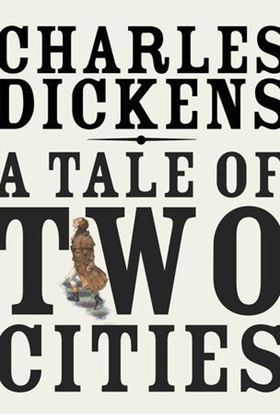
A TALE OF TWO CITIES
Set against the backdrop of the French Revolution, A Tale of Two Cities is one of Charles Dickens’s most popular and dramatic stories.
It begins on a muddy English road in an atmosphere charged with mystery and it ends in the Paris of the Revolution with one of the most famous acts of self-sacrifice in literature. In between lies one of Dickens’s most exciting books—a historical novel that, generation after generation, has given readers access to the profound human dramas that lie behind cataclysmic social and political events. Famous for its vivid characters, including the courageous French nobleman Charles Darnay, the vengeful revolutionary Madame Defarge, and cynical Englishman Sydney Carton, who redeems his ill-spent life in a climactic moment at the guillotine (“It is a far, far better thing that I do, than I have ever done”), the novel is also a powerful study of crowd psychology and the dark emotions aroused by the Revolution, illuminated by Dickens’s lively comedy.
850
850
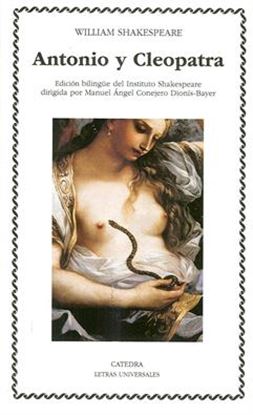
ANTONIO Y CLEOPATRA
Antonio y Cleopatra mantiene estrecha relación con otras dos obras de Shakespeare, Julio César (de composición anterior) y Coriolano (de composición posterior), denominadas las tres como «tragedias romanas». El tejido de interrelaciones de tradiciones textuales y orales que confluyen en Antonio y Cleopatra se perfila como una red compleja bajo la clave de escritura dramática. La representación de Antonio y Cleopatra como símbolos o arquetipos sobrepasa la instancia histórica o contextual y mantiene los elementos de individuación necesarios para aproximar la representación a la realidad, a la persona. Shakespeare trabaja en Antonio y Cleopatra, como también lo había hecho en Julio César, la colisión que se produce en los grandes personajes en su lucha entre las cuestiones de Estado y sus vidas
interiores. El centro de interés en Antonio y Cleopatra radica en la profundización de dos personajes legendarios, en un marco político conflictivo, que hace imposible su amor. La unión del contenido mítico de ambos personajes con sus características humanas constituye uno de los centros neurálgicos de la obra.
850
850
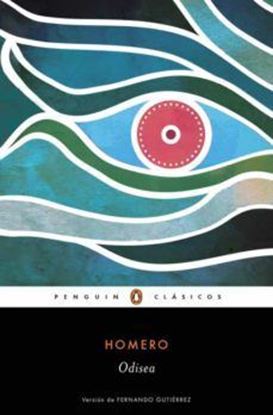
ODISEA (PENGUIN) (BOL)
Los mejores libros jamás escritos El viaje de Ulises se ha convertido en un mito universal y la Odisea en una lectura para todos los tiempos Tras una década de guerra, una ofensa al dios Poseidón ha alejado de su reino al astuto héroe otros diez años, condenado a navegar sin rumbo y a sufrir las más diversas vicisitudes. La Odisea, que sucede a la caída de Troya, sigue los pasos de Ulises -el nombre latino de Odiseo, que esta traducción adopta- y nos acerca al relato de su largo peregrinaje para volver al hogar, Ítaca. Los mitos que configuran esta gran epopeya, la capacidad de Homero para retratar la vida en el Mediterráneo a finales del 2000 a.C. y la irrupción de un héroe deseoso de regresar a la patria han dejado huella en los grandes autores de la literatura -de Virgilio a Joyce- y han convertido la Odisea en una pieza clave de la cultura universal. La presente edición cuenta con un prólogo y la magnífica versión en verso de Fernando Gutiérrez, así como una introducción y un aparato de notas elaborado por el traductor y periodista Joan Casas, y un epílogo escrito por el poeta, ensayista y traductor José Ángel Valente.
850