

1,650
WE WHO WRESTLE WITH GOD
In We Who Wrestle with God, Dr. Peterson guides us through the ancient, foundational stories of the Western world. In riveting detail, he analyzes the Biblical accounts of rebellion, sacrifice, suffering, and triumph that stabilize, inspire, and unite us culturally and psychologically. Adam and Eve and the eternal fall of mankind; the resentful and ultimately murderous war of Cain and Abel; the cataclysmic flood of Noah; the spectacular collapse of the Tower of Babel; Abraham’s terrible adventure; and the epic of Moses and the Israelites. What could such stories possibly mean? What force wrote and assembled them over the long centuries? How did they bring our spirits and the world together, and point us in the same direction?
1,650

1,650
LA COMEDIA HUMANA VOL.I
Publicamos el primer volumen del ciclo novelístico La Comedia humana, de Honoré de Balzac, con las siguientes novelas y según el orden establecido en la edición canónica: La casa de El gato juguetón, El baile de Sceaux, La Vendetta, La bolsa y La amante imaginaria.
En palabras de Stefan Zweig, el lector que se asome a estas páginas encontrará un ardor de éxtasis que puede servir de espejo a su pasión y una obra que encierra una época, un mundo y una generación, en cuyos problemas cotidianos podrán verse reflejadas las generaciones actuales. A juicio de Zweig, Balzac arranca de un tirón lo esencial de lo secundario, explotando con dinamita las minas de la vida para poner al sol sus vetas de oro. En las novelas de La Comedia humana, su autor despliega una variada galería de retratos psicológicos, enmarcados en el movimiento de la vida cotidiana, cuya descripción revela el profundo y agudo conocimiento que tenía del alma humana. El tono cercano y al mismo tiempo penetrante de su prosa le granjeó la admiración de autores de la talla de Proust, Zweig, Maurois o Alain, para quienes La Comedia humana fue su libro de cabecera. Quien se asome a la primera novela de esta obra portentosa se sorprenderá de la audacia de un narrador nato, convirtiéndose pronto en un seguro admirador del rico y complejo universo literario de Balzac.
1,650
1,650
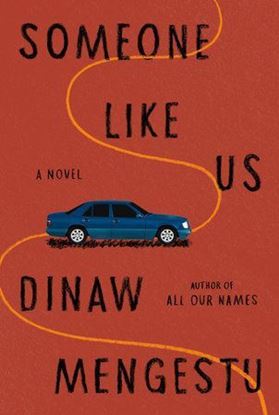
SOMEONE LIKE US
After abandoning his once-promising career as a journalist in search of a new life in Paris, Mamush meets Hannah—a photographer whose way of seeing the world shows him the possibility of finding not only love but family. Now, five years later, with his marriage to Hannah on the verge of collapse, he returns to the close-knit immigrant Ethiopian community of Washington, DC, that defined his childhood. At its center is Mamush’s stoic, implacable mother, and Samuel, the larger-than-life father figure whose ceaseless charm and humor have always served as a cover for a harder, more troubling truth. But on the same day that Mamush arrives home in Washington, Samuel is found dead in his garage.
With Hannah and their two-year-old son back in Paris, Mamush sets out on an unexpected journey across America in search of answers to questions he’d been told never to ask. As he does so, he begins to understand that perhaps the only chance he has of saving his family and making it back home is to confront not only the unresolved mystery around Samuel’s life and death, but his own troubled memories, and the years spent masking them.
1,650