1,450
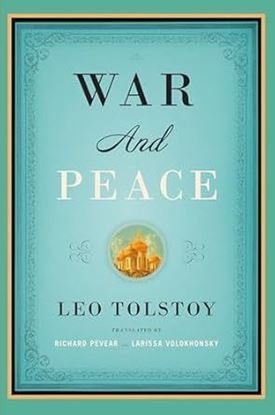
WAR AND PEACE (VINTAGE CLASSIC)
Pierre Bezukhov, the illegitimate son of a count who is fighting for his inheritance and yearning for spiritual fulfillment; Prince Andrei Bolkonsky, who leaves behind his family to fight in the war against Napoleon; and Natasha Rostov, the beautiful young daughter of a nobleman, who intrigues both men. As Napoleon’s army invades, Tolstoy vividly follows characters from diverse backgrounds—peasants and nobility, civilians and soldiers—as they struggle with the problems unique to their era, their history, and their culture.
1,450
1,450
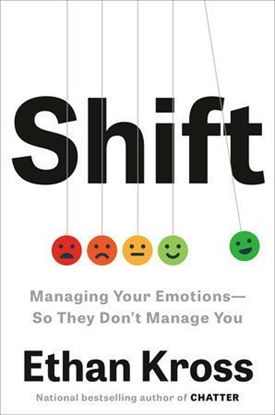
SHIFT
Whether it’s anxiety about going to the doctor, boiling rage when we’re stuck in traffic, or devastation after a painful break-up, our lives are filled with situations that send us spiraling. But as difficult as our emotions can be, they are also a superpower. Far from being “good” or “bad,” emotions are information. When they’re activated in the right ways and at the right time, they function like an immune system, alerting us to our surroundings, telling us how to react to a situation, and helping us make the right choices.
1,450
1,450
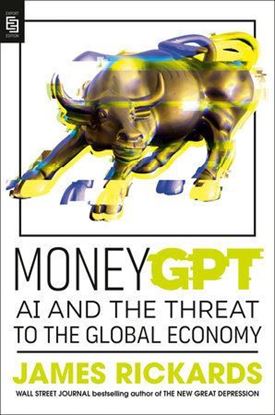
MONEYGPT
In November 2022, OpenAI released GPT-4 in a chatbot form to the public. In just two months, it claimed 100 million users—the fastest app to ever reach this benchmark. Since then, AI has become an all-consuming topic, popping up on the news, in ads, on your messenger apps, and in conversations with friends and family. But as AI becomes ubiquitous and grows at an ever-increasing pace, what does it mean for the financial markets?
In MoneyGPT, Wall Street veteran and former advisor to the Department of Defense James Rickards paints a comprehensive picture of the danger AI poses to the global financial order, and the insidious ways in which AI will threaten national security. Rickards shows how, while AI is touted to increase efficiency and lower costs, its global implementation in the financial world will actually cause chaos, as selling begets selling and bank runs happen at lightning speed. AI further benefits malicious actors, Rickards argues, because without human empathy or instinct to intervene, threats like total nuclear war that once felt extreme are now more likely. And throughout all this, we must remain vigilant on the question of whose values will be promoted in the age of AI. As Rickards predicts, these systems will fail when we rely on them the most.
1,450