


1,650
1,238
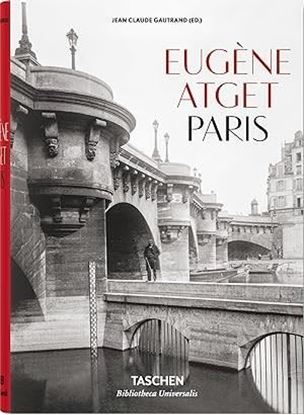
EUGENE ATGET, PARIS (BU) (INT)
A flâneur and photographer at once, Eugène Atget (1857–1927) was obsessed with walking the streets. After trying his hand at painting and acting, the native of Libourne turned to photography and moved to Paris. He supplied studies for painters, architects, and stage designers, but became enraptured by what he called “documents” of the city and its environs. His scenes rarely included people, but rather the architecture, landscape, and artifacts that made up the societal and cultural stage.
1,650
1,238
1,350
1,013
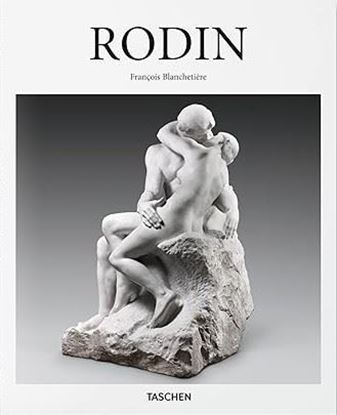
RODIN (BA-ART) (GB)
While anchoring his practice in the traditions of antiquity and the Renaissance, Auguste Rodin (1840–1917) paved the way for modern sculpture. From a very early stage, he was interested in movement, the expression of the body, chance effects, and the incomplete fragment. It was these elements that gave shape, and the impression of life, to such famous works as The Kiss and The Thinker.
1,350
1,013
1,350
1,013
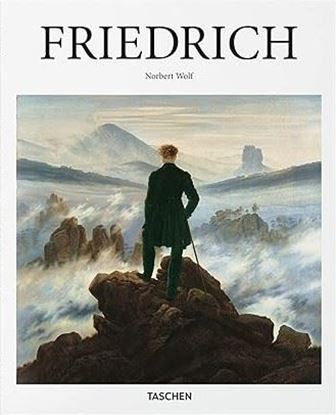
FRIEDRICH (BA-ART) (ES)
La belleza de la naturaleza y la soledad del hombre son temas dominantes en la obra de Caspar David Friedrich (1774-1840). El artista con frecuencia dispone una pequeña figura humana en un amplio paisaje, como en sus famosos lienzos Monje a la orilla del mar y El caminante sobre el mar de nubes. Durante mucho tiempo, la importancia y la influencia de este gran pintor romántico fueron subestimadas. Cuando murió, Friedrich había sido olvidado ya por sus coetáneos y no fue redescubierto hasta principios del siglo xx. Actualmente, se le considera el pintor alemán más importante de su generación y un precursor del expresionismo.
1,350
1,013
1,250
938
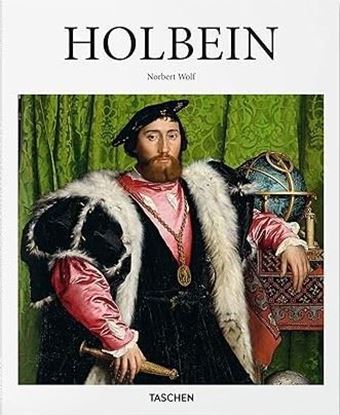
HOLBEIN (BA-ART) (GB)
This book brings together key Holbein paintings to explore his illustrious and international career as well as the courtly drama and radical religious change that informed his work. With rich illustration, we survey the masterful draftsmanship and almost supernatural ability to control details, from the textures of luxurious clothing to the ornament of a room, that secured Holbein’s place as one of the greatest portraitists in Western art history.
1,250
938
1,350
1,013
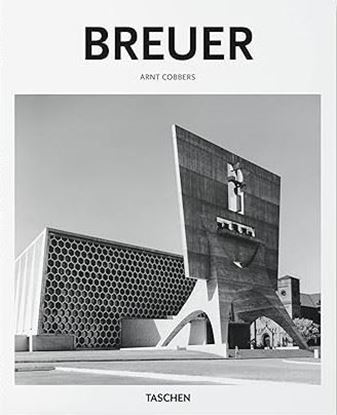
BREUER. ARNT COBBERS (BA-ART) (GB)
In 1956, TIME magazine called him one of the defining “form-givers of the 20th century.” Today, Marcel Breuer (1902–1981) remains a locus classicus of modernism for architects and designers alike. As a Bauhaus pioneer, even his earliest work was marked by a material restraint; the balance of texture, color, and shape; and a symbiosis of local and global, big and small, rough and smooth.In this essential introductory monograph, we survey Breuer’s complete career through some of his most influential projects and ideas, from his landmark tubular furniture to the MoMA Research House to his innovation of “binuclear” housing, splitting living and sleeping areas into separate wings. Along the way, we follow Hungarian-born Breuer’s journey to international acclaim, with featured projects from Germany, France, England, Switzerland, and across the United States contributing to his global status as a modernist maestro.
1,350
1,013
2,300
1,725
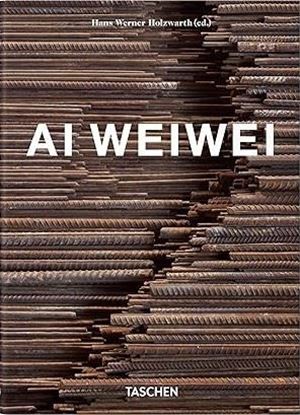
AI WEIWEI (40TH) (INT)
Conocido tanto por sus ideas políticas y activismo en las redes sociales como por su arte, basado en intervenciones sociales, su aproximación contemporánea al arte encontrado (ready-made) y su conocimiento de la artesanía tradicional china, la fama de Ai Weiwei se extiende más allá del mundo artístico. Esta monografía de Ai Weiwei explora todas...
2,300
1,725